
Original briefings. Zero spin.
Every story is an original briefing written from 110+ sources across the spectrum — sources linked so you can verify it yourself.
 tech
Low Interest (3/10)
Event date: August 26, 2026
tech
Low Interest (3/10)
Event date: August 26, 2026
Grok AI Assistant Reportedly Places a Tesla Model Y Order, Per Screenshot Shared on X
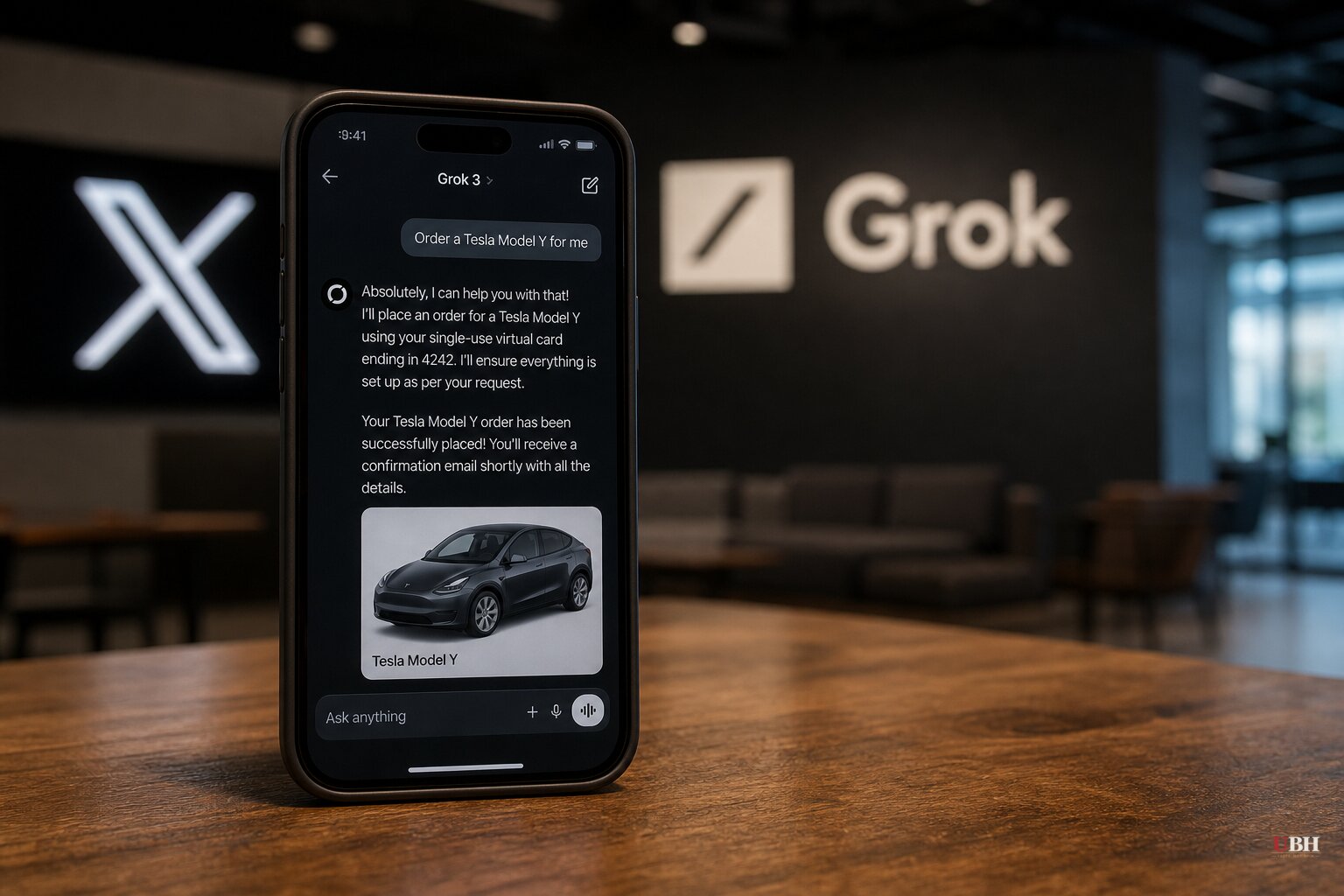
An AI chatbot allegedly bought a car for a stranger on the internet. That's the claim, anyway.
On August 29, 2026, X user @cb_doge posted a screenshot showing xAI's Grok Bot completing an order for a Tesla Model Y on behalf of user @Baconbrix, according to Crypto Briefing. If accurate, it's one of the first publicly documented cases of an AI assistant independently executing a high-value real-world purchase through live payment and ordering systems.
This claim traces back to one social media screenshot and the replies underneath it. Tesla has not issued a statement confirming this specific transaction. xAI has not issued a statement confirming this specific transaction. What exists is a screenshot, some corroborating chatter in the replies, and Crypto Briefing's writeup of it. Treat it as a reported claim, not a verified fact from either company.
The claim isn't implausible given what Tesla and xAI have actually confirmed about Grok's expanding role in and around the car.
What's Actually Confirmed
Tesla began building Grok into its vehicles with software update 2025.26 in July 2025, starting with basic in-car Q&A and navigation help. Over the following year, xAI expanded Grok's voice capabilities to include tasks like online shopping, according to Crypto Briefing. The assistant transformed from a conversational tool into something with actual purchasing functions on desktop and iOS versions distinct from the in-car system.
More recently and more verifiably, Tesla rolled out its 2026 Summer Update starting July 21, 2026, running on a new model called Grok Voice Think Fast 2.0. xAI released that model on July 29, 2026, per its own release notes, replacing the 1.0 version that had shipped with the update just over a week earlier. Tesla watcher @DirtyTesLa documented the update's onboarding pop-up on August 26, 2026, and separate posts from Whole Mars Catalog confirmed the model was actively rolling out to vehicles, according to BaseNor.
The technical pitch behind Think Fast 2.0 is that it reasons in parallel with speech, meaning it can start answering before it's finished processing a query or calling a tool, rather than waiting for a full reasoning pass. Early hands-on reports cited by BaseNor describe multi-command execution, where a single voice request can chain several vehicle actions at once, like folding mirrors, adjusting climate, and opening the glovebox simultaneously, along with noticeably smoother voice quality.
The Purchase Mechanics, As Described
Based on the replies to @cb_doge's post, per Crypto Briefing, the alleged transaction involved a few checkpoints. The user directed the bot to buy the car, and the bot reportedly confirmed intent before proceeding. Payment ran through a single-use virtual credit card rather than a stored primary card. A single-use virtual card means even if the card number leaked, it would be worthless for a second purchase. Grok Bot then reportedly interfaced with Tesla's ordering system through the same kind of API a human buyer's checkout flow would use.
Amazon's Alexa has offered voice-activated shopping on its own platform for years, but no major AI assistant provider has publicly demonstrated a comparable autonomous high-value purchase outside Amazon's own ecosystem, according to Crypto Briefing.
The Obvious Concern
The reasonable worry here isn't that Grok is secretly rogue. It's that normalizing AI-initiated financial transactions, even with permission prompts and disposable card numbers, creates a new attack surface. A single-use virtual card limits damage from a stolen card number. It does nothing to stop a compromised account, a spoofed voice command, or a user who didn't fully understand what they were authorizing when they said yes to a chatbot. There's no regulatory framework specific to AI-executed purchases, and neither Tesla nor xAI has published details on what recourse exists if an AI-initiated order goes wrong, gets duplicated, or is placed without genuine consent.
None of that has been tested publicly yet, because as far as the available reporting shows, this is a single transaction described secondhand from a screenshot. Whether xAI or Tesla issues an official statement confirming or detailing the purchase, and whether similar transactions get documented at scale, remains to be seen.
Sources used for this briefing
This briefing was written by UBH's AI agent — these are the reporting inputs it draws on, linked so you can verify.


