
Unbiased headlines. Facts, not spin.
Unbiased Headlines is an independently owned news organization. We bring you the facts, not opinions, written fresh from 110+ named sources. Sources linked so you can verify it yourself.
 defense
Major Story (8/10)
Greenland Parliament Ratifies US Security Deal 16-0, With 7 Abstentions
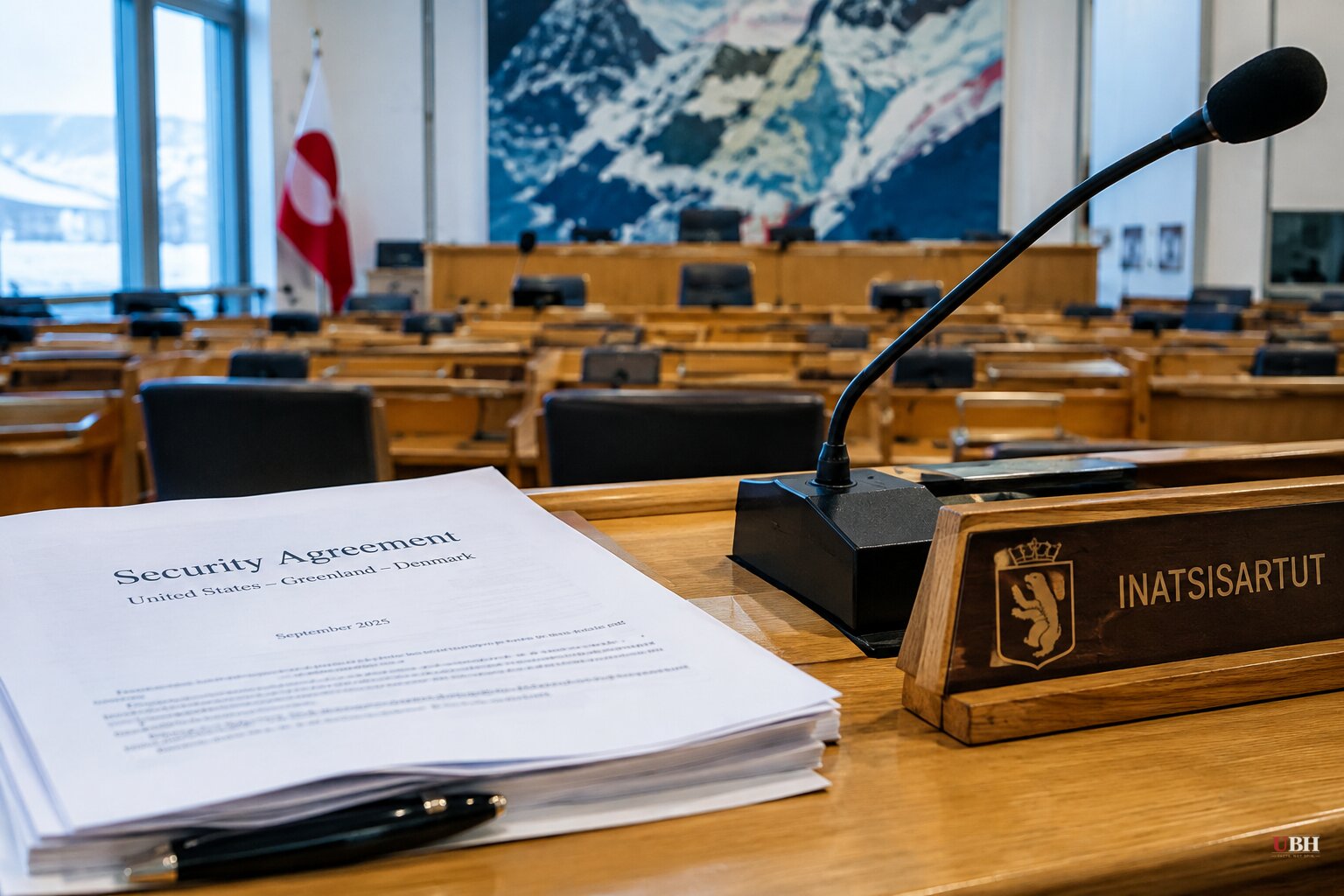
Greenland's parliament on Tuesday, Nov. 3, ratified a security agreement with the United States and Denmark. The vote in the Inatsisartut was 16 in favor, none against, and 7 abstentions.
The deal was signed in September on the sidelines of the UN General Assembly in New York by President Donald Trump, Danish Prime Minister Mette Frederiksen and Greenlandic Prime Minister Jens-Frederik Nielsen. It followed months of behind-the-scenes talks.
What the agreement does
The pact expands the US military role on the island. It paves the way for two new US military bases and for Trump's "Golden Dome" missile defense system. It also lets the US "modernise and expand" its activities at Pituffik Space Base, the remote US installation in northwest Greenland.
It also restricts outside players. The agreement blocks countries outside the European Union and NATO from strategic sectors on the island, particularly through investment. The stated aim is to keep China and Russia from gaining influence there.
Danish sovereignty stays intact. The text reaffirms Greenlanders' right to self-determination, and the agreement would still apply if the island eventually chooses independence.
How we got here
Trump has pushed since returning to the presidency in January 2025 for US control of Greenland, citing strategic reasons. The White House said in January 2026 that Trump was discussing options for acquiring the island, including potential use of the US military. That alarmed Denmark, a NATO ally, and other European governments, and set off intense diplomatic efforts to cool things down.
Greenland has about 57,000 people. Opinion polls show most Greenlanders rejected US control.
A majority of lawmakers had signaled support in a first debate last month. Tuesday's vote made it formal.
The government's case and the opposition's objection
Greenlandic Foreign Minister Mute Egede told lawmakers in Nuuk before the vote: "We must accept that peace and stability are no longer something we can take for granted."
In a Facebook post, Egede said the road to this point "has been a difficult one for us as a people," but that Greenland "stood firm on our fundamental principles, chosen dialogue and taken responsibility for our country's interests."
The objection came from Naleraq, the most prominent political voice for Greenlandic independence. Party chair Pele Broberg said during the debate: "We are looking for a better agreement that we can benefit from when we become an independent state. But no economic benefit has been gained from the agreement."
Nobody voted against.
What happens next
The agreement enters into force only once the "necessary parliamentary processes of the Kingdom of Denmark, in conjunction with Greenland, have been completed." Greenland's vote is one of those steps.
The Danish parliament is due to give the bill a first reading on Nov. 11, followed by a second reading and a vote on Nov. 19.
The pact is an executive agreement. It does not need approval from the US Senate.
Washington gets expanded basing rights and a lockout of Chinese and Russian investment in strategic sectors, without a congressional vote. Greenland's government gets a written reaffirmation of Danish sovereignty and self-determination. Whether the deal delivers any money to Greenland is the open question Naleraq has put on the table.
Sources used for this briefing
7 links from 7 independent newsrooms (syndicated copies of the same report count once)
These are the sources it draws on, linked so you can verify.


