
Original briefings. Zero spin.
Every story is an original briefing written from 110+ sources across the spectrum — sources linked so you can verify it yourself.
 tech
Notable (6/10)
August 21, 2026 at 08:08 AM
tech
Notable (6/10)
August 21, 2026 at 08:08 AM
Greater Manchester Rejects Palantir's NHS Data Platform, Sticks With Homegrown System
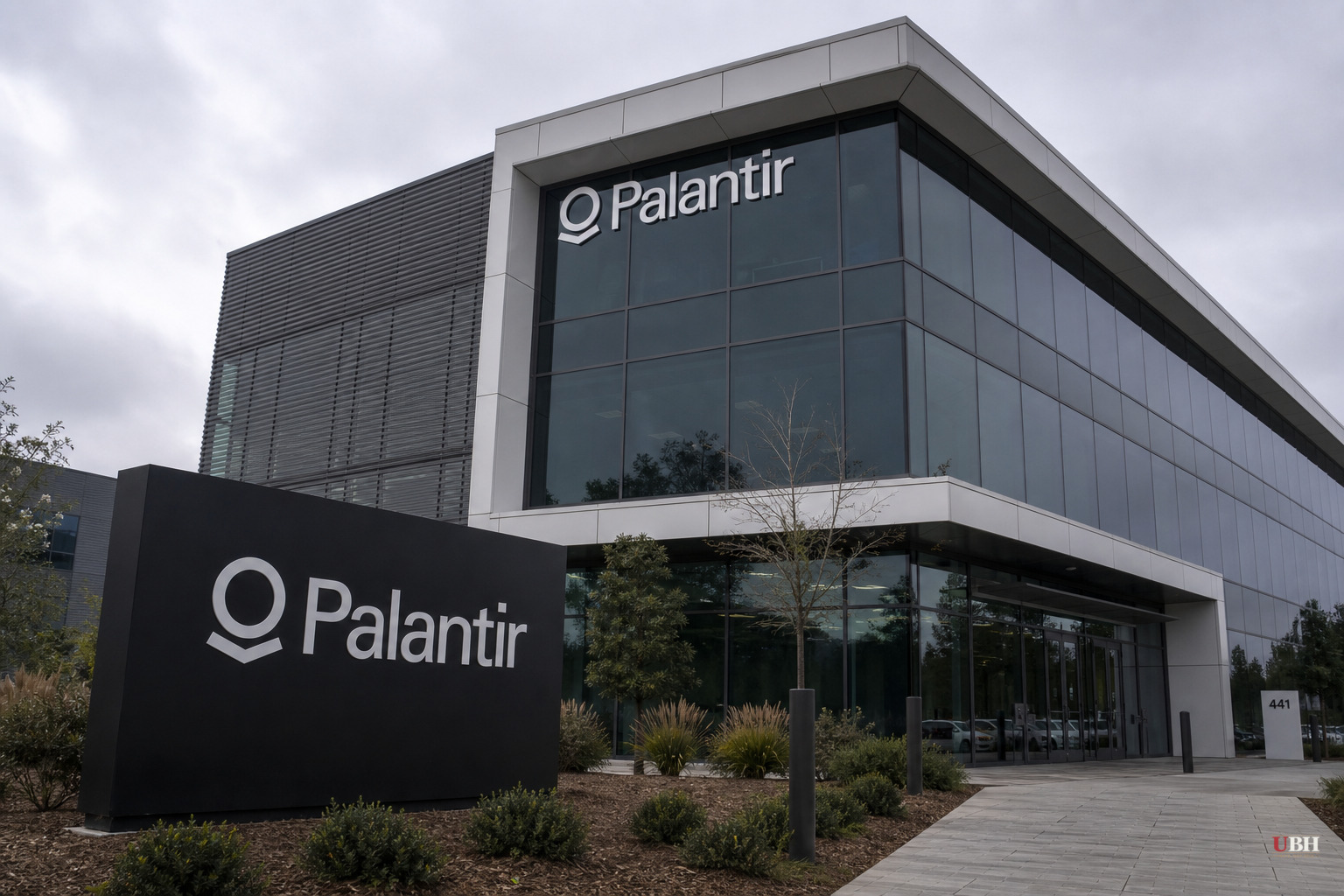
The UK's National Health Service signed a deal worth more than $400 million with Palantir Technologies in 2023 to build what's called a federated data platform, or FDP. The government now has a six-month window opening in February 2027 to terminate that contract early instead of letting it run to 2031, according to Wired.
One region already made its choice. NHS Greater Manchester has repeatedly declined to adopt the FDP, opting instead to keep the platform its own Integrated Care System spent nearly a decade building.
Matt Hennessey, chief data and analytics officer at NHS Greater Manchester, told Wired that trust matters as much as technical performance. "A technically strong platform will struggle to realize value if clinicians, data controllers, patients or the public do not trust it," Hennessey said. He added that fully adopting the FDP "would be a retrograde step" for the region.
Palantir and other advocates for the federated platform dispute that characterization, according to Wired, though the specifics of their rebuttal weren't detailed.
What the platform is supposed to fix
For decades, NHS staff have tracked patients through a mix of digital systems, spreadsheets, paper files, and whiteboards, according to Wired. When patients move between care settings, their records sometimes don't follow them, which the outlet reported has had deadly consequences in some cases. Administrators have also had to make funding and staffing decisions based on incomplete data.
Palantir's FDP began rolling out across England in early 2024. It combines a national pool of health data meant to flag care gaps with local databases individual regions can use for their own projects, like managing waitlists or planning hospital discharges.
According to Palantir and the NHS, the system is already cutting wait times, shortening hospital stays, and improving how operating theatres are scheduled. Wired did not report independent verification of those specific figures, so treat them as the vendor and health service's own claims for now.
Why this became a political fight
The Palantir contract has turned into a genuine flashpoint in British politics. Wired reported protests, petitions, and parliamentary inquiries have all targeted the deal, along with what it described as a rebellion among some NHS workers.
Part of the backlash traces to Palantir's other business. The company builds software used in military operations and has contracts tied to the Trump administration's immigration enforcement efforts, according to Wired. Critics in the UK argue a company embedded in those programs shouldn't also hold the keys to national health records. Handing a foreign company, especially one with deep ties to a foreign government's military and immigration apparatus, sensitive medical data on millions of British citizens raises real sovereignty questions.
Wired also reported that other European nations are separately reevaluating their own relationships with Palantir, part of a broader push to reduce dependence on American-made technology as tensions with the Trump administration have grown.
The counter-argument
None of this means Palantir's platform is bad software. The company and FDP advocates maintain the system is delivering measurable results already, and a federated national platform solves a real problem: fragmented, incompatible data systems that have contributed to patient harm for years, per Wired's reporting.
Greater Manchester's alternative isn't proof the FDP is inferior everywhere. Hennessey's argument rests heavily on trust and local buy-in, not necessarily on a documented technical failure of Palantir's system. Wired noted Palantir and other FDP supporters dispute Greater Manchester's claim of functional superiority, though the outlet didn't detail their evidence.
Coverage of this story has been thin outside Wired's original reporting. IndiaVision largely republished the same framing without adding new reporting or sourcing, while PressBee's item consisted mainly of a note that it had republished Wired's Middle East edition. Neither added independent verification of Palantir's performance claims or Greater Manchester's counter-claims.
What happens next
The real decision point is February, when the UK government gets its shot to terminate the contract early rather than riding it out to 2031. Whether ministers pull that trigger will depend partly on whether other NHS regions start following Greater Manchester's lead, and partly on whether Parliament's inquiries into the deal produce anything beyond scrutiny. For now, the question of whether a US defense-linked company should hold this much of Britain's health data remains open, and unresolved in the reporting is any independent, third-party audit comparing Greater Manchester's system against the FDP on actual patient outcomes.
Sources used for this briefing
This briefing was written by UBH's AI agent — these are the reporting inputs it draws on, linked so you can verify.


