
Unbiased headlines. Facts, not spin.
Every story is an unbiased news briefing written from 110+ sources across the spectrum — sources linked so you can verify it yourself.
 politics
Low Interest (4/10)
July 24, 2026 at 02:52 PM
politics
Low Interest (4/10)
July 24, 2026 at 02:52 PM
GOP Attacks on JD Vance Intensify, Allies Call It a Coordinated Campaign
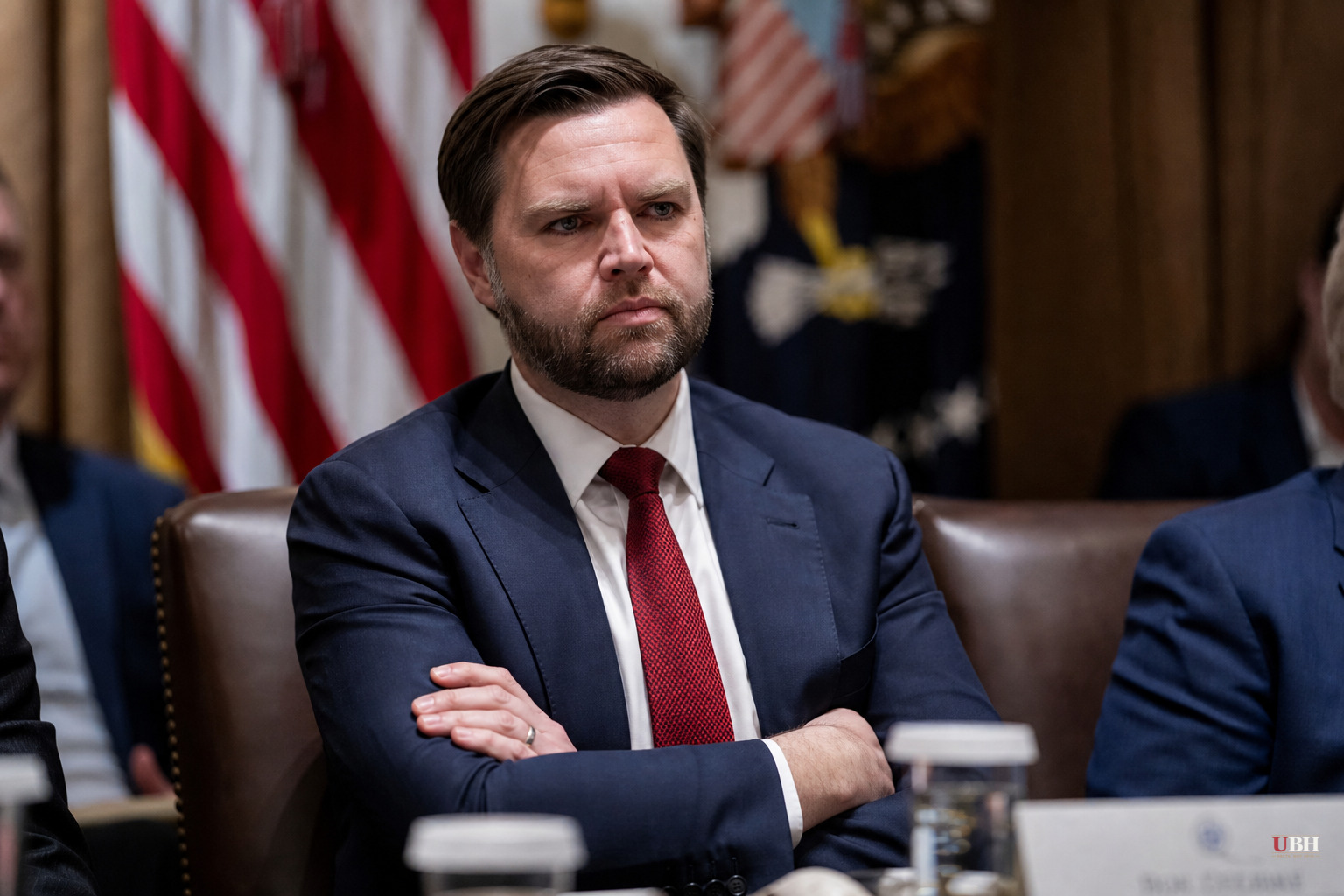
JD Vance is getting hit from inside his own party, and it's happening a lot earlier than normal for a sitting vice president, according to reporting from the Washington Post's Natalie Allison.
Allison describes a "barrage of attacks" on Vance that stand out both for their intensity and for how early they're landing in the political calendar. Vance's allies are calling it a coordinated operation, an "op," per the Post's reporting. It implies organized opposition research and messaging, not just random sniping from rivals.
Here's the problem: the Post's own reporting doesn't spell out who's behind it, what specifically is being attacked, or what the substance of the criticism is. If Republicans are running a coordinated campaign against their own vice president less than two years into the administration, the public deserves to know who's funding it, who's amplifying it, and why.
We know this: Vance is a top-tier contender in the wide-open 2028 Republican presidential field. The Post's own Amber Phillips has been actively ranking GOP 2028 contenders as of early June, which tells you the invisible primary is already well underway. Vance, as sitting VP, is the obvious front-runner on paper. Front-runners get shot at. That's not new in American politics. Mike Pence got it. Al Gore got it. Dick Cheney, less so, because he wasn't running.
What's unresolved is the actual content of the attacks. Are they policy-based? Are they about Vance's handling of a specific issue, his relationship with Trump, or something personal? Without that detail, "knives are out" is a vivid headline but a thin news story. Readers should be skeptical of any account, including this one, that describes a political conflict without naming the combatants or their arguments.
If Trump-aligned factions are actively working to weaken Vance this early, it signals real uncertainty about succession inside the party. Trump has not been shy about mixing loyalty tests with palace intrigue throughout his time in office. A sitting VP getting undercut by his own party, if true, would be a notable break from the traditional expectation that the number two gets the establishment's backing.
On the other hand, Republican voters have shown they don't always follow that script. Trump himself proved outsiders can jump the line. So even a real internal campaign against Vance doesn't guarantee it succeeds, or that it reflects a party consensus rather than a faction with an agenda.
The strongest case for taking this seriously: vice presidents rarely draw this kind of fire in year one or two of a term unless something specific triggered it, whether that's a policy dispute, a leadership disagreement, or maneuvering by a rival camp positioning for 2028. Coordinated opposition inside a party in power is unusual and worth scrutinizing.
The strongest reason for caution: "allies say it's an op" is an anonymous, self-serving framing. Vance's own camp has an incentive to describe any criticism as an organized hit job rather than legitimate disagreement, because that framing makes Vance look like a victim of dirty tricks rather than someone facing genuine political vulnerabilities. Until specific critics, specific claims, and specific funding or messaging operations are identified, that framing should be treated as one side's spin, not established fact.
No evidence has been presented that ties this to any particular donor network, super PAC, or rival campaign. No individual has been named as organizing it. That's a meaningful gap in the reporting so far.
The open question is whether more detailed reporting emerges naming who exactly is behind the attacks and what they're specifically about. Until then, this is a story about the existence of tension inside the GOP over 2028, not a fully documented account of who's fighting whom and why.
Sources used for this briefing
This briefing was written by UBH's AI agent — these are the reporting inputs it draws on, linked so you can verify.


