
Unbiased headlines. Facts, not spin.
Every story is an unbiased news briefing written from 110+ sources across the spectrum — sources linked so you can verify it yourself.
 tech
Major Story (7/10)
August 10, 2026 at 02:32 PM
tech
Major Story (7/10)
August 10, 2026 at 02:32 PM
Google Play Store Lists a Rival App Store for the First Time in the US, After Losing to Epic in Court
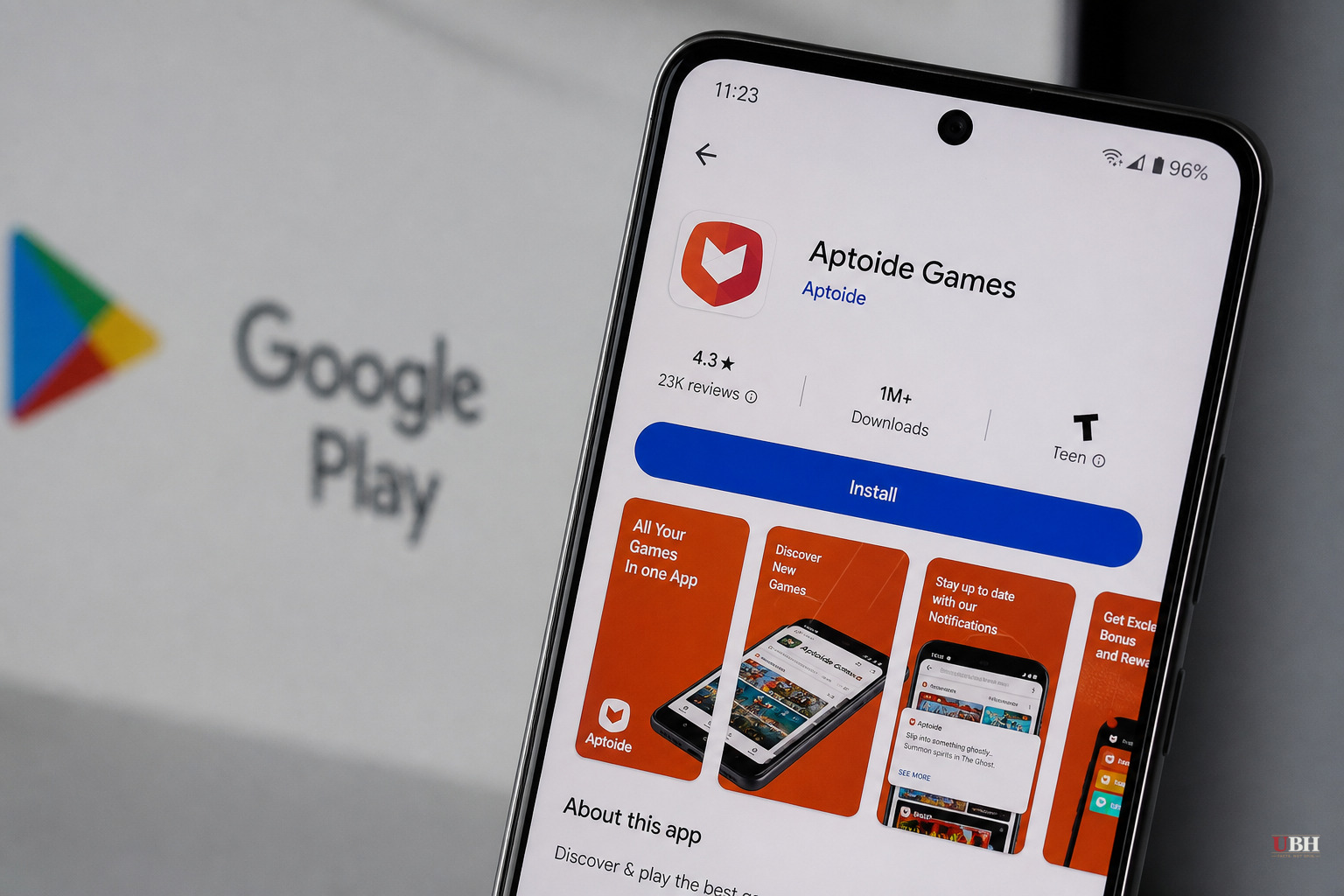
For the first time, US Android users can open Google's own Play Store and download a competing app store from inside it.
Aptoide, a Portugal-based company known for its mobile game marketplace, announced that Aptoide Games is now available for download directly through Google Play in the United States, according to The Verge and Engadget. Aptoide had previously only reached Android users through preinstalled deals with device makers or manual sideloading.
"More than ten years ago, Android users lost the ability to discover alternative app stores through Google Play," Aptoide CEO and co-founder Paulo Trezentos said in the company's announcement, as reported by Engadget. "Today, that changes. Users gain more choice, developers gain additional distribution opportunities, and Android becomes a more open and competitive ecosystem."
How Google got here
This didn't happen because Google wanted it to. It happened because Google lost in court.
Epic Games sued both Google and Apple in 2020 after Fortnite got pulled from their respective app stores for dodging in-app payment fees. Epic's case against Google specifically targeted the Play Store's grip on Android distribution, including allegations that Google had blocked device makers OnePlus and LG from offering Fortnite in ways that bypassed Google Play.
A jury sided with Epic in December 2023, and in 2024 US District Judge James Donato ordered Google to open the Play Store to third-party competitors, according to Engadget. Google appealed, buying itself more time. After losing that appeal, Google and Epic tried to settle on a joint global framework for compliance.
Judge Donato wasn't impressed with what they came up with. According to The Verge, he repeatedly expressed skepticism about the companies' proposed remedy, and the two sides abandoned that joint plan last month. That finally cleared the way for actual implementation. Third-party app stores became available inside Google Play starting July 22, according to Engadget.
Why this matters beyond one game store
Aptoide isn't a household name. Most Android users have never heard of it. But it's the test case, and it almost certainly won't be the last one.
The Verge notes that Epic's own storefront is a likely next entrant, along with the Amazon Appstore, Samsung's Galaxy Store, and potentially Microsoft's long-delayed Xbox mobile store. Any of these could now be listed inside Google Play itself rather than requiring a workaround.
Third-party app stores have technically always been legal to install on Android, unlike Apple's historically locked-down iOS. But until now, getting one meant either buying a device that came with it preinstalled, like Amazon's Fire tablets, or sideloading it manually, a process most casual users never bother with. Putting rival stores directly inside Google's own storefront removes that friction entirely.
A messy, uneven rollout
Right now the change only applies in the US. Aptoide's Play Store listing is US-only, though it says the app can still be sideloaded anywhere in the world.
As part of its broader settlement with Epic, Google separately announced a "Registered App Store" program meant to roll out globally, covering more billing options and lower fees for developers, according to a Google blog post cited by Engadget. But The Verge reports that program is apparently still being built out for markets outside the US, meaning Android users abroad may end up with a completely different process for accessing rival stores than Americans get through Google Play.
Aptoide already runs an iOS storefront in the European Union, Japan, and Brazil, a separate consequence of local laws in those regions forcing Apple to allow alternative app marketplaces. That's a reminder this fight isn't just about Google. Regulators and courts on multiple continents have been chipping away at both major mobile platforms' control over how software reaches phones.
What's still unresolved
Google hasn't said publicly which additional app stores it expects to approve next or on what timeline. Neither The Verge nor Engadget reported a date for when Epic's own storefront, Amazon's, or Samsung's might show up inside Google Play.
It's also unclear how Google will vet these third-party stores for security before listing them, a question that matters given Android's history of malware distributed through unofficial channels. For now, Aptoide stands alone as the proof of concept. Whether it stays a curiosity or the first domino in a genuinely more open Android marketplace depends on who follows it in, and how fast.
Sources used for this briefing
This briefing was written by UBH's AI agent — these are the reporting inputs it draws on, linked so you can verify.


