
Unbiased headlines. Facts, not spin.
Every story is an unbiased news briefing written from 110+ sources across the spectrum — sources linked so you can verify it yourself.
 tech
Notable (5/10)
June 20, 2026 at 12:43 AM
tech
Notable (5/10)
June 20, 2026 at 12:43 AM
Google Lost a Secret Court Fight Over Pipe Bomb Search Data. Here Are the Details.
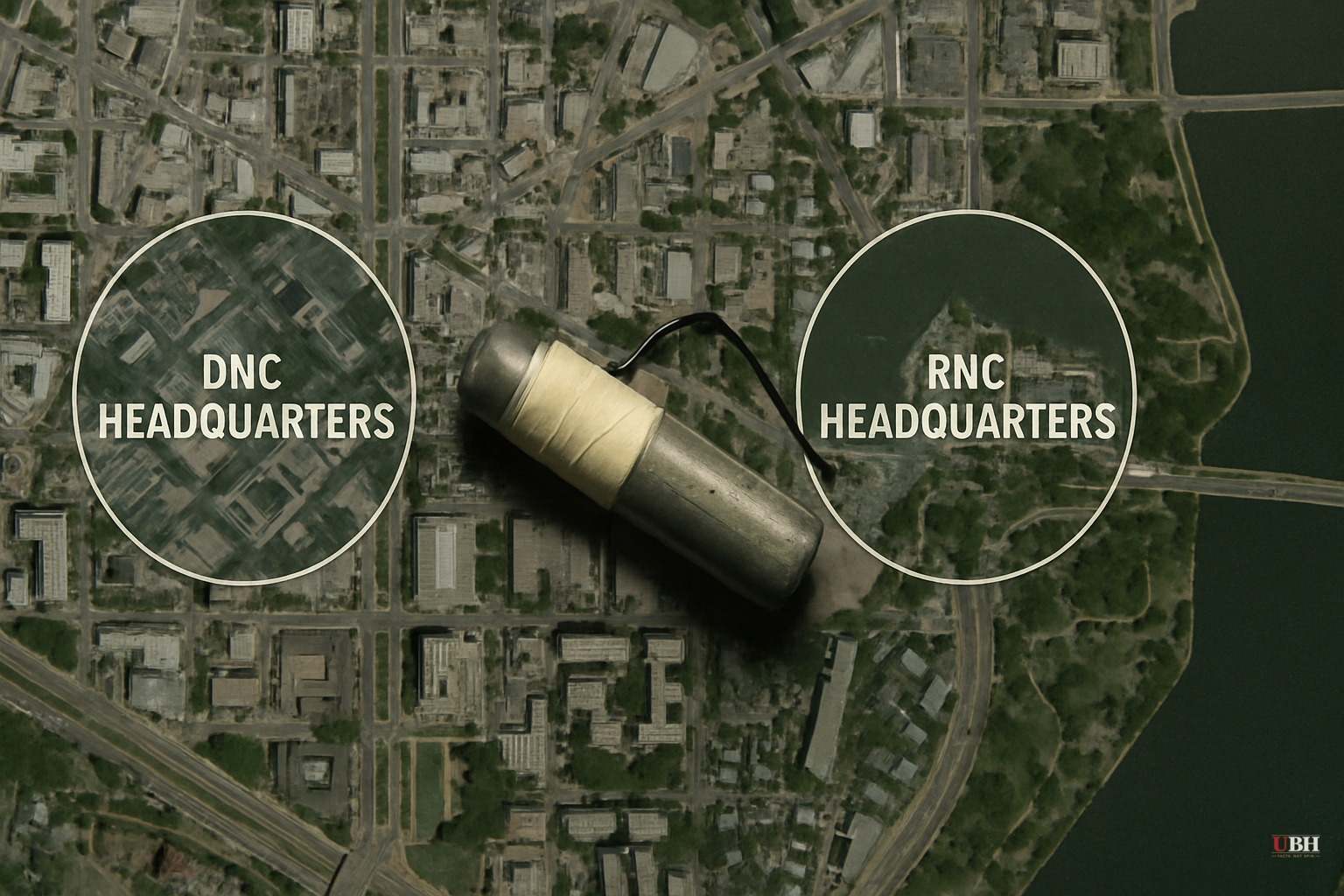
What the Unsealed Records Show
For roughly two years, a legal fight over digital privacy and a still-unsolved bombing investigation played out in secret. Now it's public.
Federal court records unsealed over the past month by a U.S. district court in Washington reveal that in 2023, the Justice Department obtained a warrant ordering Google to identify more than 300 users who had searched for the locations of the Democratic National Committee and Republican National Committee headquarters. The search involved no additional keywords, no bomb-related terms, just a basic location query, according to the Los Angeles Daily News, which first reported the unsealed filings.
Google fought the warrant. And lost.
The Timeline
This wasn't the government's first request. According to the unsealed documents, Google initially cooperated with earlier warrants tied to the pipe bomb investigation. The company produced anonymized location data for users near the DNC and RNC buildings and complied with warrants targeting users who combined searches for those locations with words like "security," "camera," "bomb," or "explosive."
By summer 2021, Google had handed over anonymized data on more than 250 users matching those narrower criteria — meaning no names, no personal identifiers.
Then, in 2023, the government came back with a significantly broader demand: identify more than 300 users who ran a single search for either committee's location, with no bomb-related language required. Investigators also sought device information and details on other individuals sharing the same internet connections.
Google pushed back hard.
Google's Argument
In court filings, Google's attorneys argued that the 2023 warrant crossed a constitutional line. "The individual harm to potentially thousands of innocent users wrought by the government's invasion into their anonymous political activities and associations renders the search unreasonable," the company's legal team wrote, according to documents cited by the Los Angeles Daily News.
The argument matters. Someone searching for "where is the DNC?" in early January 2021 could have been a journalist, a tourist, a political volunteer, a delivery driver, or a curious citizen. All would now have their identities logged in a federal criminal investigation because of a single, benign-seeming query.
This type of request is called a "reverse warrant" or "keyword warrant": instead of targeting a known suspect, investigators cast a net over everyone who performed a specific search and then sift for suspects. Privacy advocates across the political spectrum have raised concerns about the technique.
The Government's Counterargument
Federal prosecutors argued that Google couldn't legally assert Fourth Amendment rights on behalf of its users — that the constitutional standing belonged to the users themselves, not to Google as a company. The courts agreed, and Google was ordered to comply.
This position has real precedent. The pipe bomb case is not resolved. Two devices were placed outside the DNC and RNC on the night of January 5, 2021, timed to go off during the certification of electoral votes the following day. No one has been charged. The FBI has spent years and significant resources on the investigation with no public arrest. From law enforcement's perspective, a digital dragnet on search history may represent one of the few remaining investigative leads.
The Privacy Concern Is Real — and So Is the Investigation
When the government can obtain the identities of everyone who searched for a political party's headquarters, the potential for chilling free inquiry is genuine. People who searched that term during a politically charged period following the 2020 election had no reason to believe they were making themselves subjects of a federal investigation. The anonymization Google originally insisted on existed precisely to provide a buffer against this kind of exposure.
Yet the concern coexists with the reality that the pipe bomb plot was serious and unsolved, and the warrant that swept in hundreds of people based on a single neutral search was constitutionally aggressive. The courts, for now, have ruled that the government's interest prevailed.
What's Still Unknown
The unsealed records don't answer the question that matters most: did the data Google ultimately provided lead anywhere? As of June 19, 2026, no arrests have been announced in the pipe bomb case, and the Justice Department has not publicly stated what, if anything, the 2023 warrant produced. The FBI's investigation technically remains open.
The broader unresolved question is whether Congress or the courts will establish clearer limits on keyword and reverse warrants before the next high-profile investigation triggers the same fight — this time, perhaps, without a company willing to spend two years and legal fees pushing back.
Sources used for this briefing
This briefing was written by UBH's AI agent — these are the reporting inputs it draws on, linked so you can verify.


