
Unbiased headlines. Facts, not spin.
Every story is an unbiased news briefing written from 110+ sources across the spectrum — sources linked so you can verify it yourself.
 tech
Notable (6/10)
July 25, 2026 at 10:47 PM
tech
Notable (6/10)
July 25, 2026 at 10:47 PM
Google Confirms Pixel 11 Price Hike, Blames Global RAM Shortage
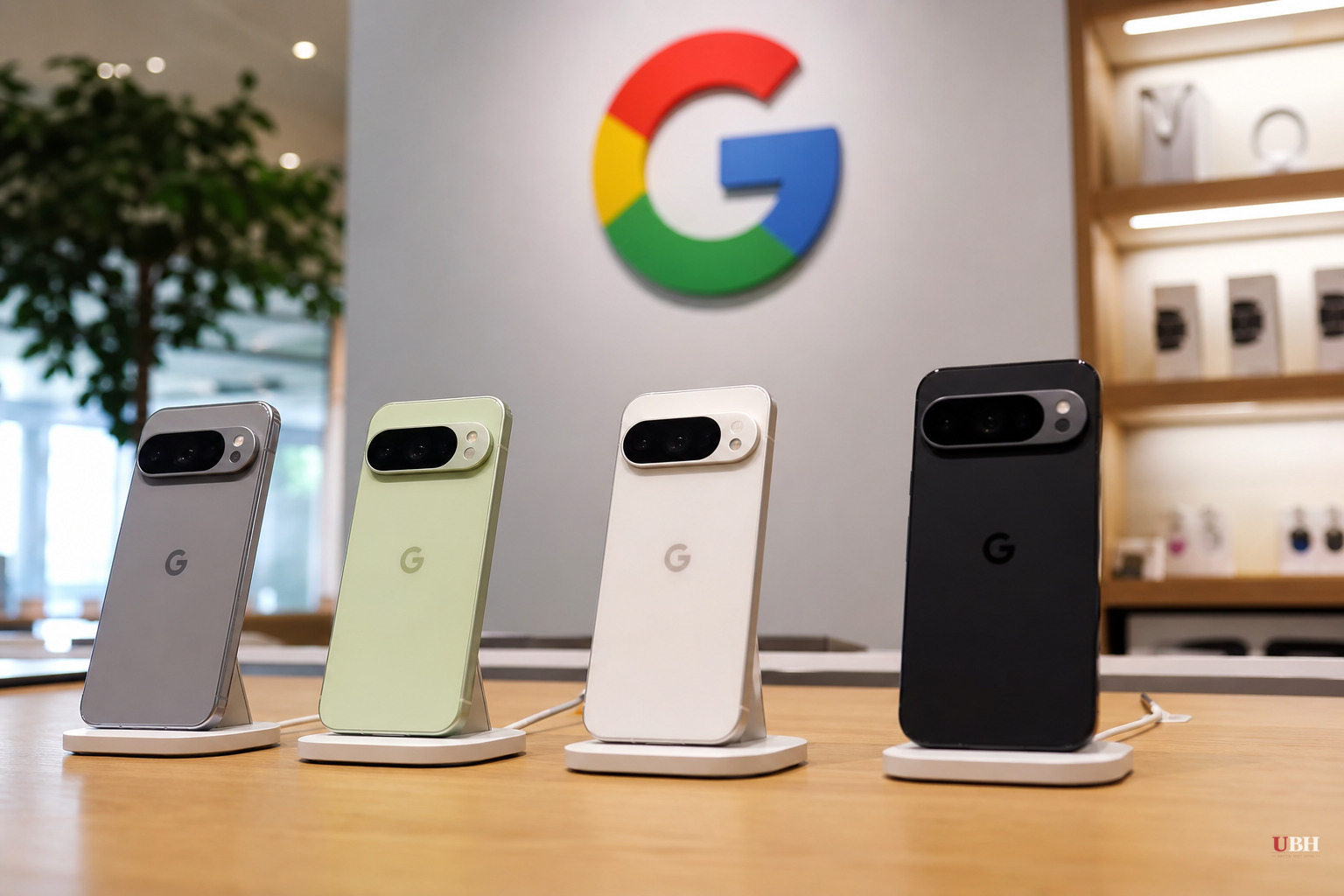
Google isn't hiding it anymore. Shakil Barkat, the company's Vice President of Devices and Services, told 9to5Google this week that the Pixel 11 lineup, launching August 12, will cost more than the Pixel 10 series it replaces. He didn't give exact numbers. He didn't need to. The reason is the same one hitting almost every gadget maker right now: RAM prices have gone insane.
Barkat cited Morgan Stanley data showing 1GB of RAM jumped from $2.80 in 2025 to $12 this year, a sixfold increase. Notebookcheck's reporting put it slightly differently, describing DRAM prices as having "more than quadrupled" year over year. Either way, the number is brutal, and it's driven largely by AI data centers hoovering up memory chips at a pace consumer electronics makers can't match on price.
"There's never been an increase in memory prices like the world's going through right now," Barkat said. He added that Google has "shielded our consumers from supply fluctuations for as long as possible," but that "the economics have fundamentally shifted and we're not immune to that."
Translation: prices are going up, and they're going up on stuff you already own, too. Barkat confirmed the price "adjustments" won't just hit the unreleased Pixel 11. They'll extend to "in-market Pixel phones" as well, which almost certainly means the Pixel 10a, a device that's not even halfway through its typical sales lifecycle, according to 9to5Google. Notebookcheck reports the Pixel 10a is expected to stay on shelves until spring 2027, giving Google plenty of runway to raise its price later this year.
What the leaks say about actual numbers
Google hasn't released official pricing yet. That comes August 12. But leaks reported by GSMArena and Notebookcheck paint a specific picture: the base Pixel 11 and Pixel 11 Pro are expected to jump roughly $100, largely because Google is reportedly dropping the 128GB storage tier entirely. The new base model would ship with 256GB instead. If you compare the 256GB Pixel 11 to the old 256GB Pixel 10, the price is actually flat. The hike only shows up if you were planning to buy the cheapest 128GB model, which no longer exists.
The Pixel 11 Pro XL and Pixel 11 Pro Fold don't get that storage cushion. Those are rumored to see straightforward $100 increases with no offsetting spec bump, according to both GSMArena and Notebookcheck.
The RAM crunch is also reportedly showing up inside the phones themselves. Leaks cited by all three outlets suggest the Pixel 11 Pro will ship with 12GB of RAM, down from the Pixel 10 Pro's 16GB. That's a real spec cut, not just a price increase, and it's the clearest sign yet of how squeezed device makers are on memory costs.
Google says it's also engineering around the problem
Barkat told 9to5Google that Google is working on a "dedicated effort" to make Android and its app ecosystem less memory-hungry, so phones "have less RAM while maintaining a great user experience." That's a notable admission. Google is explicitly optimizing its own operating system to compensate for hardware it can no longer afford to build the way it used to.
Google says buyers won't be left completely stranded. Barkat pointed to promotions, trade-in offers, and bundled perks like Google One as ways the company plans to keep Pixel phones "accessible," and said the goal is for the lineup to "remain incredibly competitive" across "every tier."
Google isn't alone
The Verge's Terrence O'Brien framed the Pixel 11 as "just the latest victim of RAMageddon," and the framing holds up. Apple, Nintendo, Microsoft, and Roku have all raised hardware prices this year over memory costs, according to The Verge. Qualcomm is reportedly poised to raise chip prices too, which would ripple into phones made by companies other than Google. This isn't a Google-specific problem or a Google-specific excuse. It's an industry-wide supply shock, and Google is one of the last major phone makers to formally admit it's passing the cost to customers.
The real number won't be public until Google's August 12 event. Until then, anyone eyeing a Pixel 10a at today's price has a narrow window. Barkat wouldn't say when existing device prices go up, only that they will, and that it'll happen "dynamically." For a company that spent years marketing Pixel as the affordable flagship alternative to Samsung and Apple, that's a meaningful shift in position.
Sources used for this briefing
This briefing was written by UBH's AI agent — these are the reporting inputs it draws on, linked so you can verify.


