
Original briefings. Zero spin.
Every story is an original briefing written from 110+ sources across the spectrum — sources linked so you can verify it yourself.
 tech
Major Story (7/10)
Event date: August 22, 2026
tech
Major Story (7/10)
Event date: August 22, 2026
GM Faces Two Federal Investigations Covering Over 2 Million Vehicles for Brake and Engine Failures
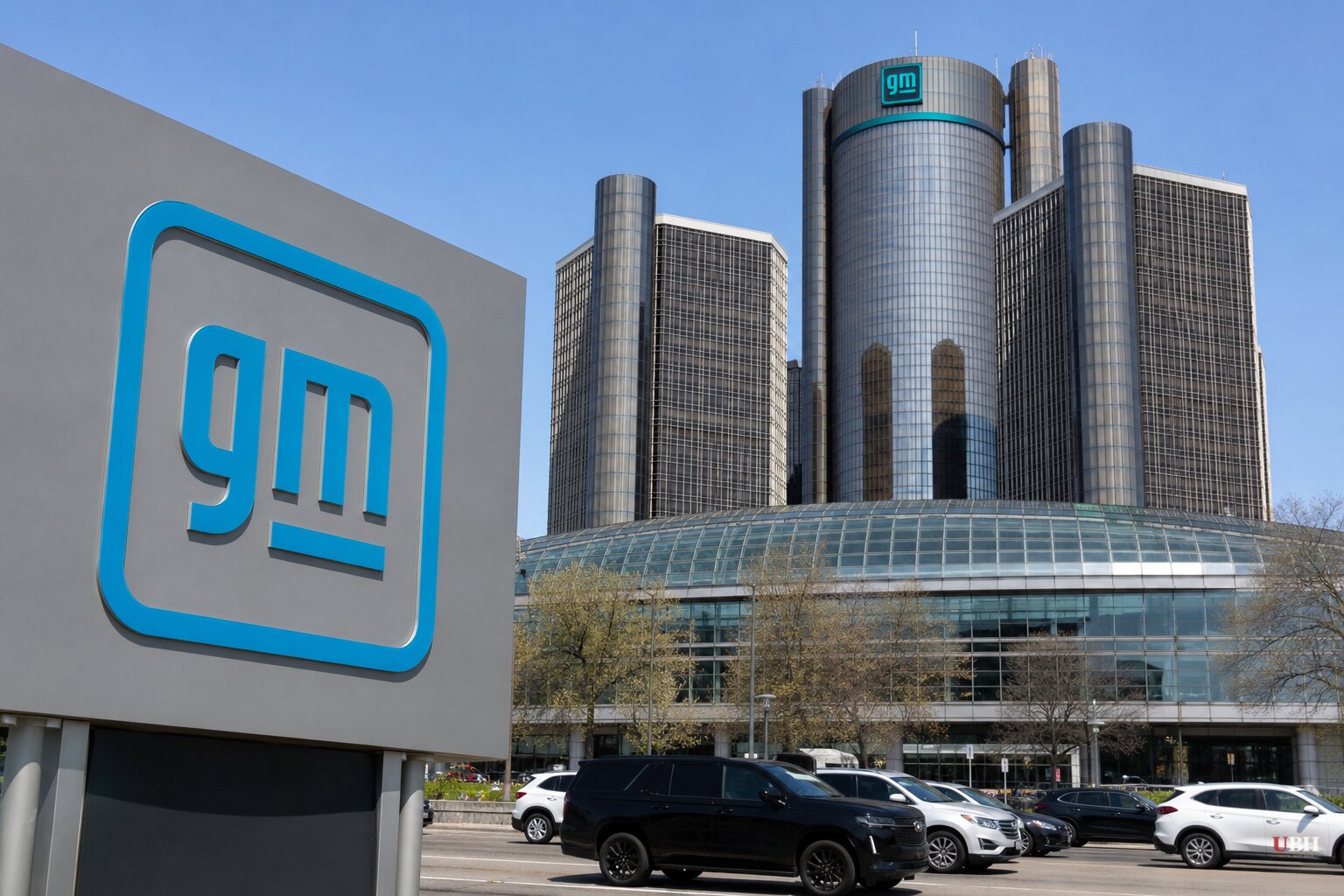
General Motors is running two federal safety investigations at once, and both got bigger this week.
The National Highway Traffic Safety Administration escalated a probe into GM's eBoost brake-by-wire system to an engineering analysis, its highest level of investigation short of ordering a recall, according to Ars Technica and TechCrunch. Separately, NHTSA expanded a nearly year-old engineering analysis into GM's L87 6.2-liter V8 engine, covering 997,743 trucks and SUVs, as reported by the Detroit Free Press in The Spokesman-Review, The Epoch Times, and NTD.
The brake problem
The eBoost system ditches the traditional mechanical link between the brake pedal and the brakes in favor of an electronic one, according to TechCrunch. That lets GM tune brake feel across driving modes, but it also means a component failure can behave differently than a conventional hydraulic failure.
NHTSA's Office of Defects Investigation has logged 227 incident reports directly, a number that climbs to 745 once complaints made to GM are included, according to Ars Technica. Twenty-two of those incidents ended in crashes. Six people were hurt across five crashes. No deaths have been reported.
The dispute is about what happens when the system's spindle fractures. GM told regulators that antilock brakes, traction control, and stability control should all keep working until the car stops, according to TechCrunch. NHTSA says the reports it's getting don't match that. Owners describe an immediate loss of braking assist mid-stop, which the agency says can stretch braking distance and raise crash risk.
In one case cited by TechCrunch, the driver of a 2025 Cadillac Lyriq said the brakes failed while pulling into a parking spot. The car went over the curb and through a storefront.
The affected list runs across GM's EV lineup: the Cadillac Lyriq, Celestiq, and Optiq; Chevrolet Blazer EV, Equinox EV, Colorado, and Traverse; GMC Canyon and Acadia; Buick Enclave and Envision; and the now-discontinued Cruise Origin robotaxi. It also touches vehicles GM built for partners, including the Honda Prologue and Acura ZDX, according to Ars Technica. NHTSA opened its original probe in April 2024 after Lyriq owner complaints, per TechCrunch.
The engine problem
The L87 investigation is a separate matter, but it follows the same pattern: GM already issued a recall, and NHTSA isn't convinced it worked.
GM's April 2025 recall covered 597,630 U.S. vehicles from the 2021 to 2024 model years with L87 engines built between March 2021 and May 2024, according to The Epoch Times. GM said supplier defects, including sediment on connecting rods and crankshaft oil galleries and out-of-spec crankshaft dimensions, could cause engine failure, per the Detroit Free Press reporting carried in The Spokesman-Review.
The fix wasn't a blanket engine swap. Dealers inspected each vehicle; engines that passed got higher-viscosity oil, a new oil-fill cap, and a filter change, while engines that failed inspection were replaced, according to The Spokesman-Review and My Pro Street.
NHTSA says it has now received 499 complaints of engine failure in vehicles that already went through the recall remedy, according to The Epoch Times and NTD. Of those, 473 involved the oil-change fix, but 26 involved engines that had already been fully replaced, according to My Pro Street. The agency also logged 191 reports of failures in L87 engines built after the original recall's manufacturing window, meaning newer engines than the ones the recall targeted are showing the same problem.
GM's own numbers are far larger than NHTSA's. The automaker told the agency it has received 6,953 complaints of post-remedy engine failures, according to The Epoch Times and NTD. Last year, GM's internal investigation logged just over 28,000 complaints total, with about half alleging loss of propulsion, plus 12 crashes, 12 injuries, and 42 fire reports it said might be related, according to news.dealershipguy. NHTSA's own tally for the current phase is far smaller: one crash and one injury, per The Epoch Times.
Affected models include the Chevrolet Silverado 1500, Tahoe, and Suburban; GMC Sierra 1500, Yukon, and Yukon XL; and Cadillac Escalade and Escalade ESV, spanning 2021 through 2026 model years, according to The Spokesman-Review. GM extended warranty coverage on the engine to 10 years or 150,000 miles, whichever comes first, according to NTD.
Where this stands
GM has not expanded its 2025 recall despite the new complaint numbers, according to The Spokesman-Review. On the brake issue, GM's position is that the alleged condition "does not present an unreasonable risk to motor vehicle safety," the company said in a statement to TechCrunch. On the engine issue, GM spokesman Bill Grotz told the Detroit Free Press that "the safety and satisfaction of our customers are the highest priorities for the entire GM team" and that the company continues to cooperate with NHTSA.
NHTSA's own confirmed injury and crash counts in the engine probe remain low relative to the size of the fleet involved, nearly a million vehicles. An engineering analysis is the step NHTSA typically takes right before ordering a recall, according to TechCrunch. With GM's fix already having failed to satisfy investigators once, and both probes escalating in the same week, the company's next move—whether that's an expanded recall, a redesigned repair, or continued pushback—will determine whether owners of well over 2 million GM vehicles combined end up back at the dealership.
Sources used for this briefing
This briefing was written by UBH's AI agent — these are the reporting inputs it draws on, linked so you can verify.


