
Unbiased headlines. Facts, not spin.
Unbiased Headlines is an independently owned news organization. We bring you the facts, not opinions, written fresh from 110+ named sources. Sources linked so you can verify it yourself.
 defense
Major Story (8/10)
defense
Major Story (8/10)
GCC Foreign Ministers Meet in Manama, Condemn Houthi Attacks on Saudi Arabia and Urge Terrorist Designation
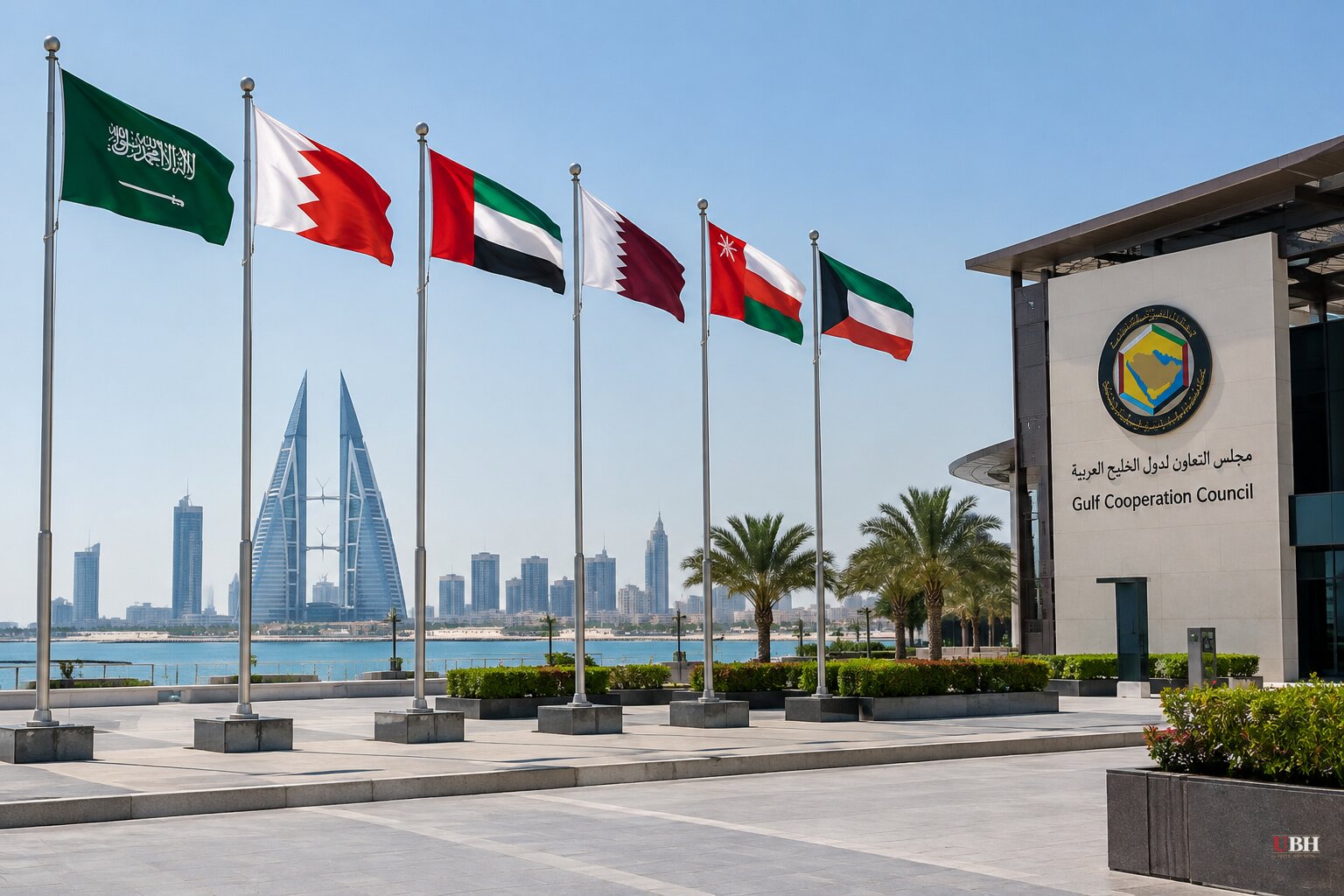
The Gulf Cooperation Council's ministerial council held its 168th session in Manama, Bahrain, today, Oct. 18. Bahrain's Foreign Minister Abdullatif bin Rashid Al Zayani chaired it. GCC Secretary-General Jasem Albudaiwi and the foreign ministers of the member states attended.
The main message was blunt. The council said the security of GCC countries is indivisible and that an attack on one member is a direct attack on all, citing the Joint Defense Agreement.
What the council said about the Houthis
The council condemned what it called ongoing Houthi attacks on Saudi Arabia. In its words, the attacks include targeting the Two Holy Mosques and surrounding areas, civilian airports and vital facilities. It said they have caused civilian casualties and called them a flagrant violation of international law and international humanitarian law.
The ministers backed any measures Saudi Arabia takes to protect its sovereignty and security. They reaffirmed the right of member states to defend themselves, individually and collectively, under Article 51 of the UN Charter.
The council also made specific demands of the outside world:
- Implement UN Security Council Resolution 2216 (2015) on Yemen, adopted under Chapter VII.
- Implement Resolution 2722 (2024) on attacks on ships in the Red Sea.
- Strictly enforce the arms embargo on the Houthis.
- Designate the Houthi militia a terrorist group.
- End all support that lets the group acquire missiles and drones.
The council also pressed the Security Council, particularly its permanent members, to enforce its own resolutions. It said freedom of maritime and air navigation is a shared international interest that "does not allow for selectivity."
Bahrain's foreign minister separately condemned recent attacks on commercial vessels in the Bab al-Mandeb and Hormuz straits. Those attacks have been attributed to Iran and the Iran-aligned Houthis.
The shipping picture
The diplomacy is chasing events on the water. The U.S.-Iran war is in its eighth month and has severely disrupted oil flows through the Strait of Hormuz. In recent weeks it has also disrupted flows through the Bab al-Mandeb Strait. Global crude prices are above $100 a barrel.
The United Kingdom Maritime Trade Operations, which monitors maritime security in the region, counted 12 reported attacks on vessels in or near Hormuz in the past week. Two cargo ships sank this week in separate incidents after being hit by unknown projectiles. CNN verified video of the Singapore-flagged container ship GFS Pride sinking on Oct. 13, with cargo later seen scattered in the water. No party has been established as responsible for those two sinkings.
Analysts told CNN the intensified attacks are a response to the volume of oil that has recently gotten out of Hormuz. The U.S. military has been helping tankers make "dark" transits with transponders off, ferrying crude to ships waiting in the Gulf of Oman. Iran, meanwhile, is struggling to move its own tankers because of a U.S. naval blockade.
Bab al-Mandeb and Saudi exports
The Red Sea route matters more because Hormuz is compromised. At its peak, about 4.5 million barrels a day of crude left the Saudi Red Sea port of Yanbu, according to Richard Bronze, co-founder of Energy Aspects. About 3 million barrels a day of that went out through Bab al-Mandeb.
Those flows "collapsed" once the Houthi threat escalated this summer, Bronze said.
The Houthis have targeted Saudi oil tankers in the strait. In recent days they also launched deadly strikes on Riyadh's main international airport, which lines up with the council's complaint about attacks on civilian airports.
What is at stake
The GCC's demands are mostly requests to others. A terrorist designation, arms-embargo enforcement and Security Council action all depend on governments outside the Gulf. The communique does not say what Saudi Arabia or its partners plan to do on their own beyond asserting the right to act.
The market risk is spelled out by Johannes Rauball, senior crude analyst at Kpler. If the Houthis start threatening ships from all countries, he said, "This would really create another blow for crude markets. It would really push prices higher again, really tighten balances."
Georg Zachmann, a senior fellow at the Bruegel think tank, told CNN that oil-importing countries increasingly understand they must "structurally reduce their oil consumption" to be less exposed to shocks like this one.
Whether the Security Council's permanent members answer the Manama call is the open question. Another is whether the Houthis keep their focus on Saudi targets or widen it to shipping from other countries.
Sources used for this briefing
3 links from 3 independent newsrooms (syndicated copies of the same report count once)
These are the sources it draws on, linked so you can verify.


