
Unbiased headlines. Facts, not spin.
Unbiased Headlines is an independently owned news organization. We bring you the facts, not opinions, written fresh from 110+ named sources. Sources linked so you can verify it yourself.
 sports
Low Interest (4/10)
sports
Low Interest (4/10)
Formula One's Revenue Dropped 40%, Its Stock Went Up 4%, and Wall Street Says It's Just Getting Started
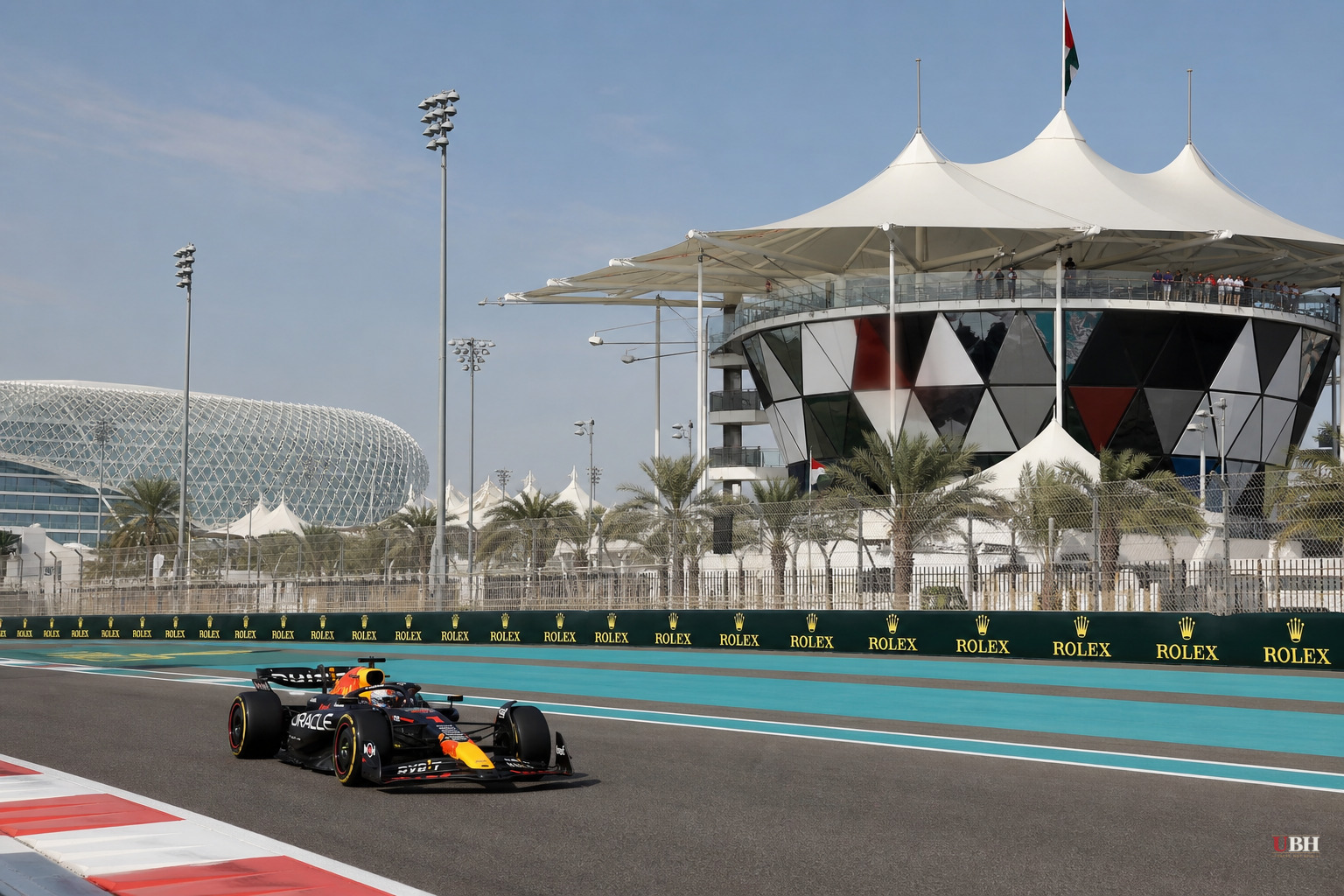
Formula One's parent company just posted one of its ugliest quarters in years, and Wall Street shrugged it off.
Liberty Media Formula One Group reported second-quarter results Thursday showing revenue down nearly 40% year over year, according to CNBC. The culprit: canceled races tied to conflict in the Middle East, which wiped out events the sport had counted on for the calendar. That's a real hit, not a rounding error.
The stock didn't care. Shares climbed almost 4% on the day, according to CNBC, because management pointed to something investors apparently value more than quarterly race counts: media rights deals. The company said it's "active in negotiation and renewals," including a multi-year agreement it recently locked in with the pay-TV industry.
Race revenue is lumpy and can get knocked around by geopolitics, scheduling, or a canceled Grand Prix. Media rights, sponsorship, and licensing are the long game, and that's where analysts think the real money sits.
Lagging the pack, for now
F1 stock is actually down slightly over the past 12 months, according to CNBC. Compare that to TKO Group Holdings, the company behind UFC and WWE, up 16% over the same period. Or Madison Square Garden Sports, owner of the New York Knicks, up a staggering 93%.
So while sports as an asset class has been a strong bet, F1 has been the laggard. That's the setup analysts are betting reverses.
JPMorgan's David Karnovsky, who has a buy rating on the stock, wrote last month that "sentiment has firmed up recently" due to "positive management commentary on the commercial opportunities across Formula 1, in particular for sponsorship and licensing." He also flagged that 2027 EBITDA should benefit from a full race calendar plus new stops, including a Turkey race, and that as cash builds and debt leverage comes down, F1 could eventually start returning capital to shareholders.
Morgan Stanley raised its price target on July 29 to $125 from $120 while maintaining an overweight rating, according to CNBC, implying roughly 21% upside from where the stock closed that Friday. Analyst Sean Diffley argued the sport is still "under-penetrated and under-monetized" in the U.S., despite the U.S. being the most lucrative sports market on the planet. His blunt line: most Americans still "can't name 3 drivers."
Diffley also pointed to China and the broader Asian market as the fastest-growing opportunity, specifically floating the idea that Chinese companies like BYD would want in on sponsorship deals.
The licensing bet
The growth story analysts keep circling back to isn't races. It's merchandise, apparel, and brand partnerships. Diffley called licensing and consumer products "one of the most underappreciated growth vectors," saying that business has the potential to double or even quadruple over the coming years if F1 makes the investment.
That's a bet on F1 becoming more like a lifestyle brand than a pure motorsport, following a model that's worked for leagues like the NFL and English Premier League, where merchandise and streaming rights dwarf ticket revenue.
Netflix's "Drive to Survive" series is widely credited with turning F1 from a niche European sport into something Americans actually watch, and that cultural shift is real. But cultural buzz and monetized revenue are two different things. CNBC's report leans heavily on sell-side analyst optimism without much pushback on execution risk.
This is the same sport that just lost nearly 40% of its quarterly revenue to canceled races. Geopolitical conflict isn't a hypothetical risk analysts are modeling around. It already happened this quarter and could happen again. Betting on 2027 EBITDA assumes a full calendar actually gets run without another Middle East flare-up, a European scheduling conflict, or some other disruption forcing more cancellations.
Since Liberty Media bought Formula One in 2017, the sport has expanded its footprint significantly, driven largely by new races and media deals, according to CNBC. Whether that expansion translates into the stock finally catching up to TKO and MSG Sports depends on whether F1 can run a full 2027 calendar and convert American and Chinese fan interest into sponsorship dollars rather than just streaming numbers.
Sources used for this briefing
1 link from 1 independent newsroom (syndicated copies of the same report count once)
These are the sources it draws on, linked so you can verify.


