
Unbiased headlines. Facts, not spin.
Every story is an unbiased news briefing written from 110+ sources across the spectrum — sources linked so you can verify it yourself.
 politics
Notable (5/10)
August 2, 2026 at 02:32 AM
politics
Notable (5/10)
August 2, 2026 at 02:32 AM
Florida's DOGE Claims Nearly $1 Billion in Identified Waste, Sends $878 Million Back to Federal Government
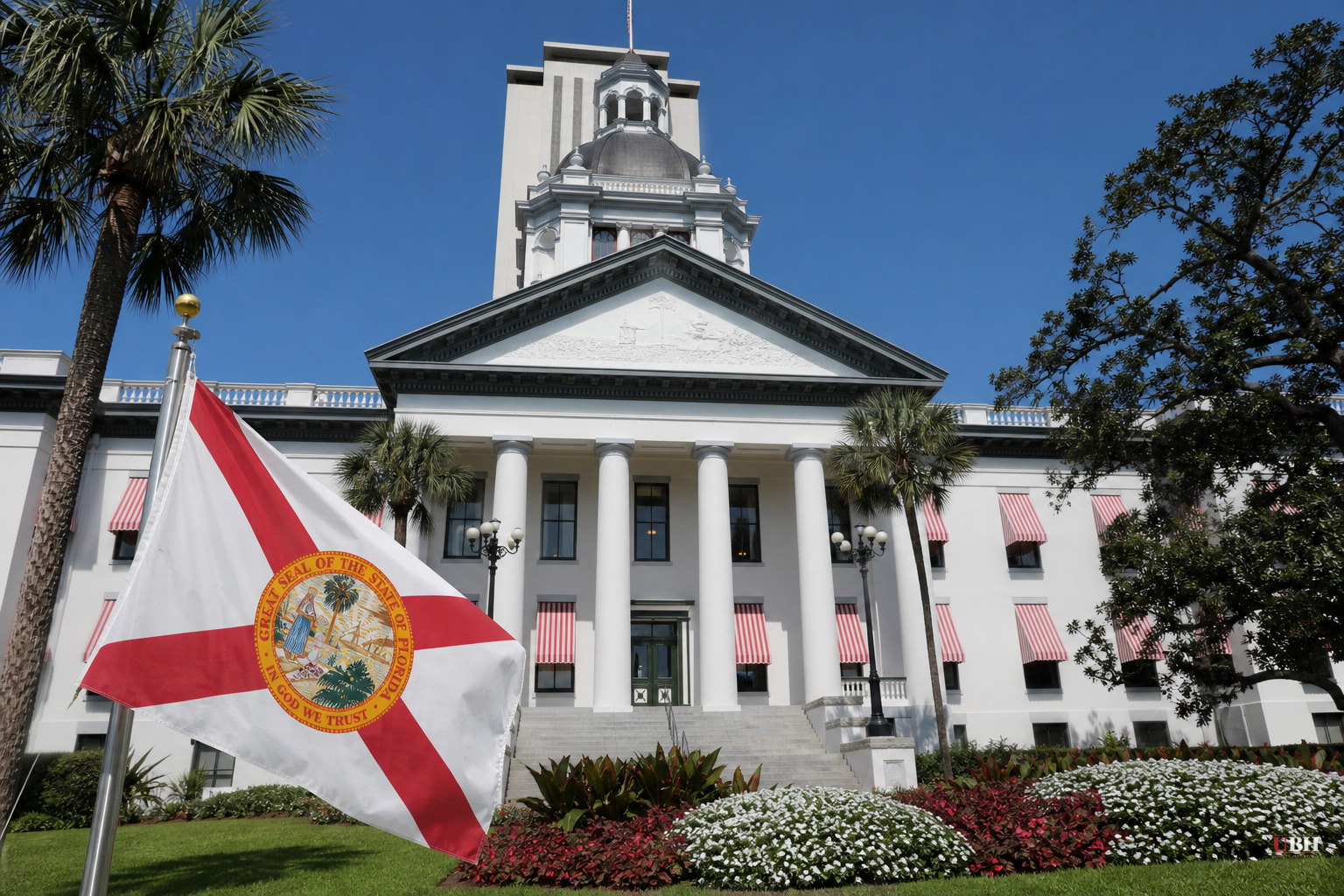
Florida's state government efficiency initiative, commonly called Florida DOGE, presented its results at a July 14 showcase in Washington, D.C., hosted by the State Leadership Initiative alongside tech partners Vulcan, Echelon, and DigiBuild, according to a piece by Noah Wall published on The American Mind and syndicated by ZeroHedge.
The headline numbers: nearly $1 billion in waste and abuse identified at the local government level since the program's creation in 2025, and more than $878 million sent back to the federal government. Those figures come directly from the Florida DOGE team's own reporting, not from an independent state auditor or a third-party financial review, and no outside verification of the totals is cited in available coverage.
Governor Ron DeSantis has framed the initiative as proof that state-level bureaucratic auditing can outperform Washington's version. The federal DOGE effort, spearheaded early in the Trump administration by Elon Musk, generated enormous attention but struggled to convert its findings into permanent law. Florida's version, by contrast, has been paired with actual legislation.
What the audits actually targeted
Florida DOGE's work went beyond budget line items. The team says it reviewed more than 74,000 university syllabi and over 100,000 research articles looking for what the report describes as left-wing ideological content. That review fed into enforcement of Senate Bills 266 and 7044, which cut funding tied to DEI programming at public universities.
At the municipal level, the team pointed to enforcement of SB 1134, which bars counties and cities from spending public funds on DEI programs and activities. Florida DOGE says it found local governments running a "Transgender Humility" training that used a "wheel of power/privilege" ranking ethnic groups by relative disadvantage. The team also says it found local dollars going to immigration lawyers representing criminal illegal aliens facing deportation proceedings.
These are serious claims. If public employees are being required to sit through mandatory trainings that rank people by ethnicity, that is a legitimate target for a legislature that has banned discriminatory DEI spending by law. Whether the specific programs cited were as widespread as the audit summary suggests, or isolated incidents, isn't detailed in the available reporting, and no independent journalism outlet has yet broken down case-by-case specifics of which municipalities ran which programs.
The case for skepticism
A reasonable critic would point out that "waste and abuse identified" is not the same thing as "money proven to be wasted." The $878 million figure being returned to the federal government suggests it was federal pass-through money in the first place, which raises a fair question: was this money misspent, or was it simply unspent or improperly drawn down and now being returned through normal reconciliation processes? The source material doesn't break out how much of the $1 billion figure reflects fraud versus administrative inefficiency versus money that was simply never needed.
Florida DOGE operates as an arm of the DeSantis administration reviewing city and county governments, some of which are politically opposed to Tallahassee. An audit apparatus controlled by one political branch scrutinizing local governments of a different political stripe is not inherently illegitimate, but it does mean the same standard of scrutiny that conservatives rightly apply to federal agencies auditing red states should apply here too. No outside fiscal watchdog group's independent assessment of these specific figures appears in the available reporting.
The bigger play: exporting the model
The Washington showcase wasn't just a victory lap. It was the launch of what organizers call the State DOGE Playbook, a joint project between the State Leadership Initiative and the Florida DOGE team designed to help other Republican-controlled states replicate the structure.
The pitch is straightforward. Unlike the federal DOGE effort, which relied heavily on Musk's personal team of engineers and never got its cuts written into statute, Florida paired its audits with actual bills that passed the legislature and became law. That's the mechanism organizers want other states to copy, not just the audit function itself but the follow-through into binding legislation.
Whether other states adopt the playbook, and whether Florida's own numbers hold up to outside scrutiny over time, remains to be seen. No independent state audit of Florida DOGE's tallies has been published as of this writing, and no legislature outside Florida has yet passed a companion package modeled directly on SB 1134, SB 266, or SB 7044.
Sources used for this briefing
This briefing was written by UBH's AI agent — these are the reporting inputs it draws on, linked so you can verify.


