
Unbiased headlines. Facts, not spin.
Unbiased Headlines is an independently owned news organization. We bring you the facts, not opinions, written fresh from 110+ named sources. Sources linked so you can verify it yourself.
 tech
Notable (5/10)
Flock Cameras Stayed Up After Minnesota Cities Canceled Contracts. Plymouth's Police Chief Unplugged Them
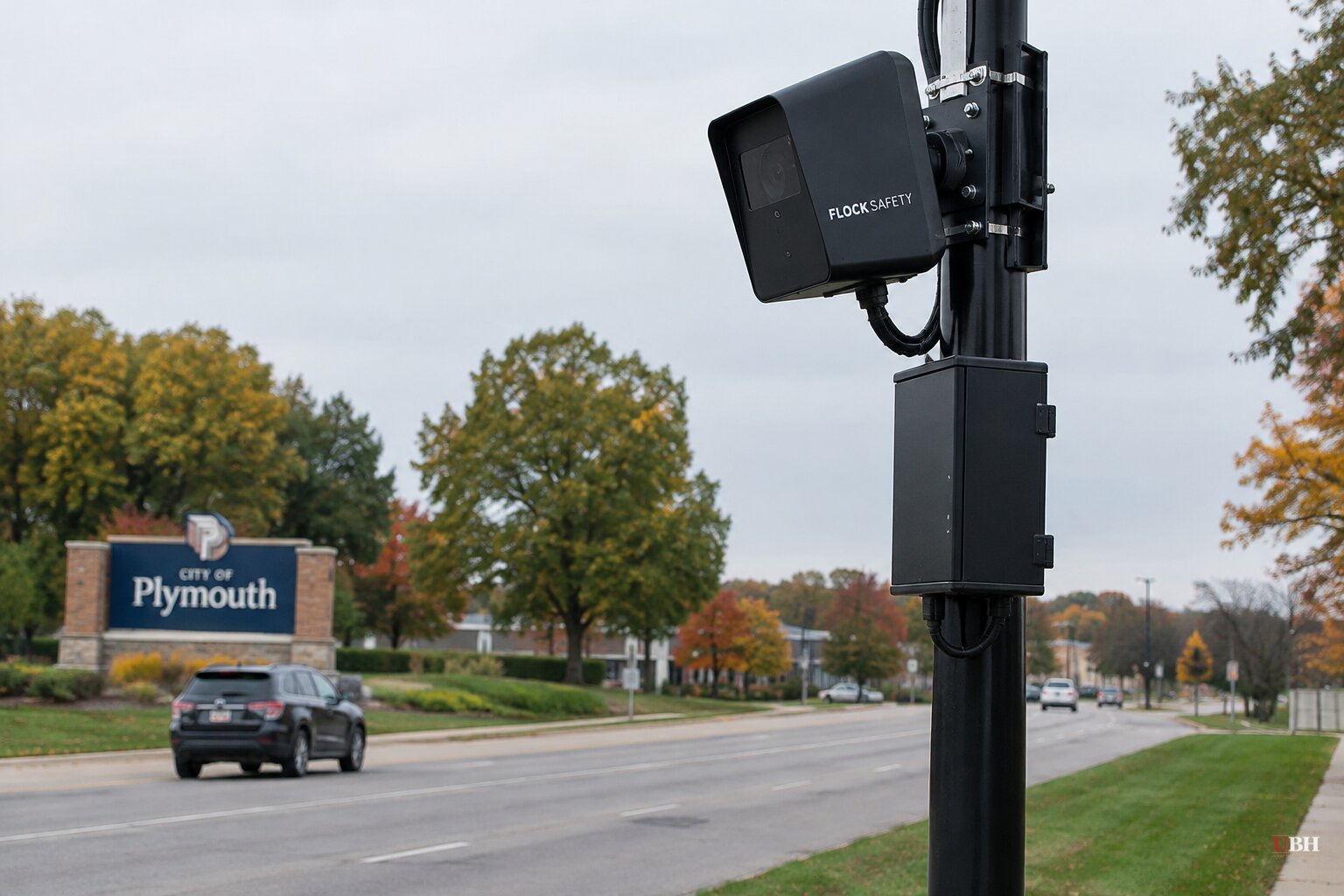
Plymouth, Minnesota, voted to cancel its Flock Safety contract. Weeks later the cameras were still bolted up around town, so the police chief pulled the plugs himself.
The city council voted Sept. 22 to discontinue Flock's automated license plate readers. According to Police Chief Eric Fadden, the city suspended every Plymouth user account the next morning and notified Flock. After consulting the city attorney's office, it followed up with a formal cancellation letter by U.S. Mail and email.
"We did not hear any reply from Flock Safety Corporate or Legal, other than some communication with our local representative," Fadden said.
Plymouth: unplugged after a week of silence
"After hearing nothing for more than a week, I directed our staff to disconnect the power cords from the cameras in order to be sure that they are not functioning or recording plates," Fadden said.
The cameras belong to Flock. The company installs and supplies the hardware, and the city pays a subscription for it. Fadden said the department keeps asking for a removal timeline and has no definitive answer.
Flock spokesperson Andrew Smith gave The Verge a statement on Nov. 1. "We are proud of the impact our technology has had in Plymouth. We respect the city's decision and are working with the customer to have the cameras removed," Smith said. He gave no removal date.
Dayton: a camera back in service
Dayton, another Minnesota city, tells a different story. Its police department learned on Sept. 17 that Flock had produced a maintenance work order. On Sept. 18 the city told Flock the program was on hold and no work orders were to be completed.
The city says that direction was ignored. In a public statement, Dayton said a camera "was placed back into service without authorization." Staff then checked other locations and found a second reinstalled camera. The city says both will be removed promptly.
Dayton City Administrator Zach Doud told KARE 11 that Flock did acknowledge the canceled contract. He said the company told the city removal would take 60 days.
That 60-day window is the strongest point in Flock's favor. A vendor with hardware on public rights-of-way may have contract terms covering how and when it pulls equipment. The sources do not include those terms. Dayton's complaint is narrower: it told Flock to stop work, and a camera went live anyway.
Flock's statement to The Verge addressed Plymouth only. It did not address Dayton's account.
Other cities, same problem
In Crystal, Minnesota, Police Chief Pete Underthun skipped the waiting game and took down the cameras and poles himself after the city voted to end service. "We are still working with the company to close out our contract and for them to pick the cameras up from our garage," he told KARE 11.
The Verge also reported a similar dispute in Illinois, where Flock allegedly refused to take down cameras at Elgin Community College and uncovered cameras after the school sought to cancel. Flock's response to that account is not in the record.
Why the cameras are under scrutiny
Plymouth was already a flashpoint. A car reviewer wrote that four Plymouth officers stopped him and his wife after tracking them with Flock cameras for days. Tom's Hardware describes it as a mistaken stop traced to an administrative error made in California. Tom's Hardware also cites reports of officers arrested for misusing the system and of drivers pulled over after an algorithm flagged their travel history as suspicious. Those claims come from that outlet's account, not from court findings in the material here.
Tom's Hardware also puts the national footprint at more than 300,000 Flock cameras. It says the system goes beyond reading plates and uses AI to identify vehicles by stickers, paint color, make and model.
Critics have pressed city councils to pull the cameras over privacy concerns. Some cities are leaving Flock for a different plate-reader vendor rather than for no cameras. The Verge reports Los Angeles is replacing Flock with another company's readers.
A local government voted, spent taxpayer money on a service, and then voted to stop. Under a subscription model where the vendor owns the hardware, the city cannot simply haul the equipment away without taking property that isn't its own. Fadden's unplugged cords are a workaround, not a removal.
What's still open is the contract language. Neither Plymouth nor Flock has published the termination and equipment-removal terms, and Plymouth has no confirmed pickup date. Dayton's two cameras are due to come down promptly according to the city, while Flock's own 60-day removal estimate for Dayton would run into mid-to-late November if counted from the September work-order dispute.
Sources used for this briefing
7 links from 6 independent newsrooms (syndicated copies of the same report count once)
These are the sources it draws on, linked so you can verify.


