
Unbiased headlines. Facts, not spin.
Every story is an unbiased news briefing written from 110+ sources across the spectrum — sources linked so you can verify it yourself.
 politics
Notable (6/10)
July 31, 2026 at 03:28 AM
politics
Notable (6/10)
July 31, 2026 at 03:28 AM
Five Years After Myanmar's Coup, China Props Up the General Who Started the Civil War
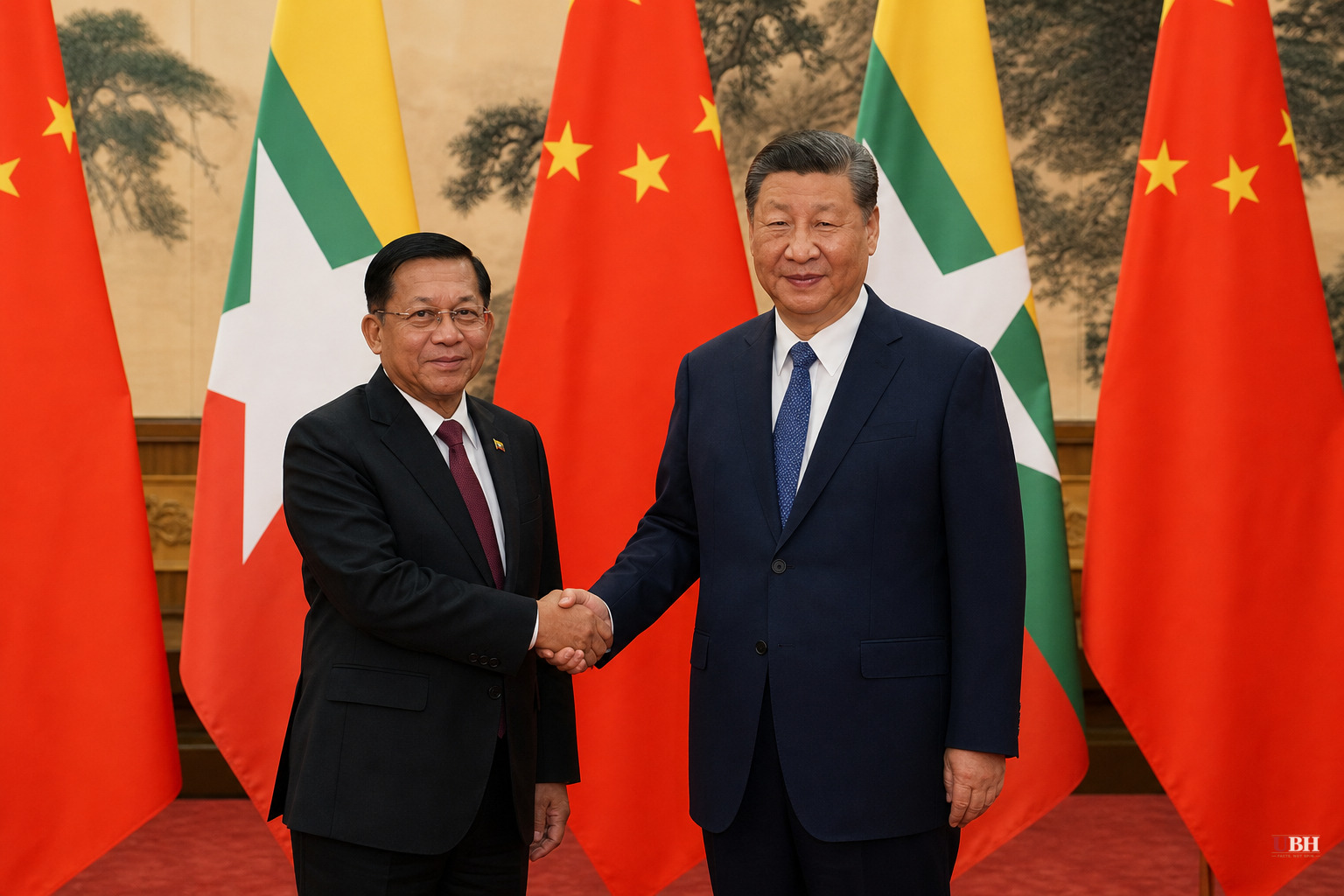
General Min Aung Hlaing overthrew Aung San Suu Kyi's elected government in February 2021. Five years of civil war followed. According to the BBC, that war is now tilting his way, not toward the people who resisted him.
Last month, China's Xi Jinping gave Min Aung Hlaing a red-carpet welcome, according to the BBC. It's the capstone of a joint Chinese-Myanmar effort to rebrand a general responsible for a bloody crackdown into something resembling a normal head of state.
Myanmar held a stage-managed election earlier this year. The BBC reports the main opposition groups were excluded from it. Min Aung Hlaing is now using that vote to claim the mantle of a civilian, elected leader instead of a coup general. Calling an election legitimate when you've locked out your opponents isn't democracy. It's theater with a ballot box as a prop.
Over the past year, the junta has retaken much of the territory it lost early in the war to the hundreds of ethnic and pro-democracy insurgent groups that rose up against the coup, according to the BBC. Chinese diplomatic and military backing has been central to that turnaround.
The People Who Believed in the Resistance Are Running Out of Road
The BBC spoke with a 22-year-old former resistance fighter now hiding in Mae Sot, a Thai border town that has become the main refuge for Burmese fleeing the war. He asked not to be named because his family back in Yangon is under police surveillance.
He was 17 when he joined the 2021 street protests against the coup. When the military crushed those protests, he did what thousands of young Burmese did: he went to territory held by ethnic armed groups for military training, then returned to Yangon as part of an urban guerrilla cell, planting bombs outside police stations.
He was caught and sentenced to seven years in Insein Prison, a facility with a documented history of brutal treatment of inmates, according to the BBC. He was released last year after serving part of that sentence and fled to Mae Sot.
Now he says he's done with armed struggle. "One day we will get our freedom back," he told the BBC. But he's chosen what he calls "another way. A non-violent way." Both violence and non-violence now feel exhausted as options for a young man who once concluded peaceful protest wasn't enough.
Mae Sot has absorbed a huge exodus of people with no legal status in Thailand, dependent on a network of charity-run safe houses just to survive day to day, according to the BBC. These aren't people plotting a comeback. They're people trying to get through the week.
What's Proved, What's Alleged, and What's Genuinely Unresolved
It's established fact that Min Aung Hlaing seized power in a coup, that the military has retaken significant territory from resistance forces over the past year, and that China's backing has been material to that shift, according to the BBC's reporting. It's also a fact that the recent election excluded the main opposition.
What's harder to settle from outside Myanmar is how durable the junta's gains actually are. Hundreds of insurgent groups formed after the coup, and a battlefield reversal in one province doesn't mean the underlying grievances that fueled five years of war have disappeared. Whether Beijing's rehabilitation project buys Min Aung Hlaing long-term legitimacy, or just papers over an unresolved conflict, is an open question the BBC's reporting doesn't answer.
There's also a fair point buried in how the junta and its allies frame this moment: governments that recognize Min Aung Hlaing, or trade with him, would likely argue that stability, however imposed, beats indefinite civil war, and that engagement, not isolation, is what eventually opens space for change. That's a real argument made by regimes and business interests dealing with Myanmar, even if the people fleeing to Mae Sot would tell you the "stability" on offer is enforced by the same army that jailed the 22-year-old for seven years.
None of that erases what the coup cost. The war has driven a documented refugee flow into Thailand, filled Insein Prison and others like it with political prisoners, and, according to the BBC, left a generation of young Burmese choosing between armed resistance, exile, or quiet resignation. Whether Beijing's diplomatic cover translates into a permanent settlement, or just a pause before the next round of fighting, remains unresolved.
Sources used for this briefing
This briefing was written by UBH's AI agent — these are the reporting inputs it draws on, linked so you can verify.


