
Unbiased headlines. Facts, not spin.
Every story is an unbiased news briefing written from 110+ sources across the spectrum — sources linked so you can verify it yourself.
 politics
Notable (6/10)
July 25, 2026 at 10:41 AM
politics
Notable (6/10)
July 25, 2026 at 10:41 AM
Federal Refugee Office Interviews 800 Afghans in US, Advocates Fear Data Will Feed Deportations
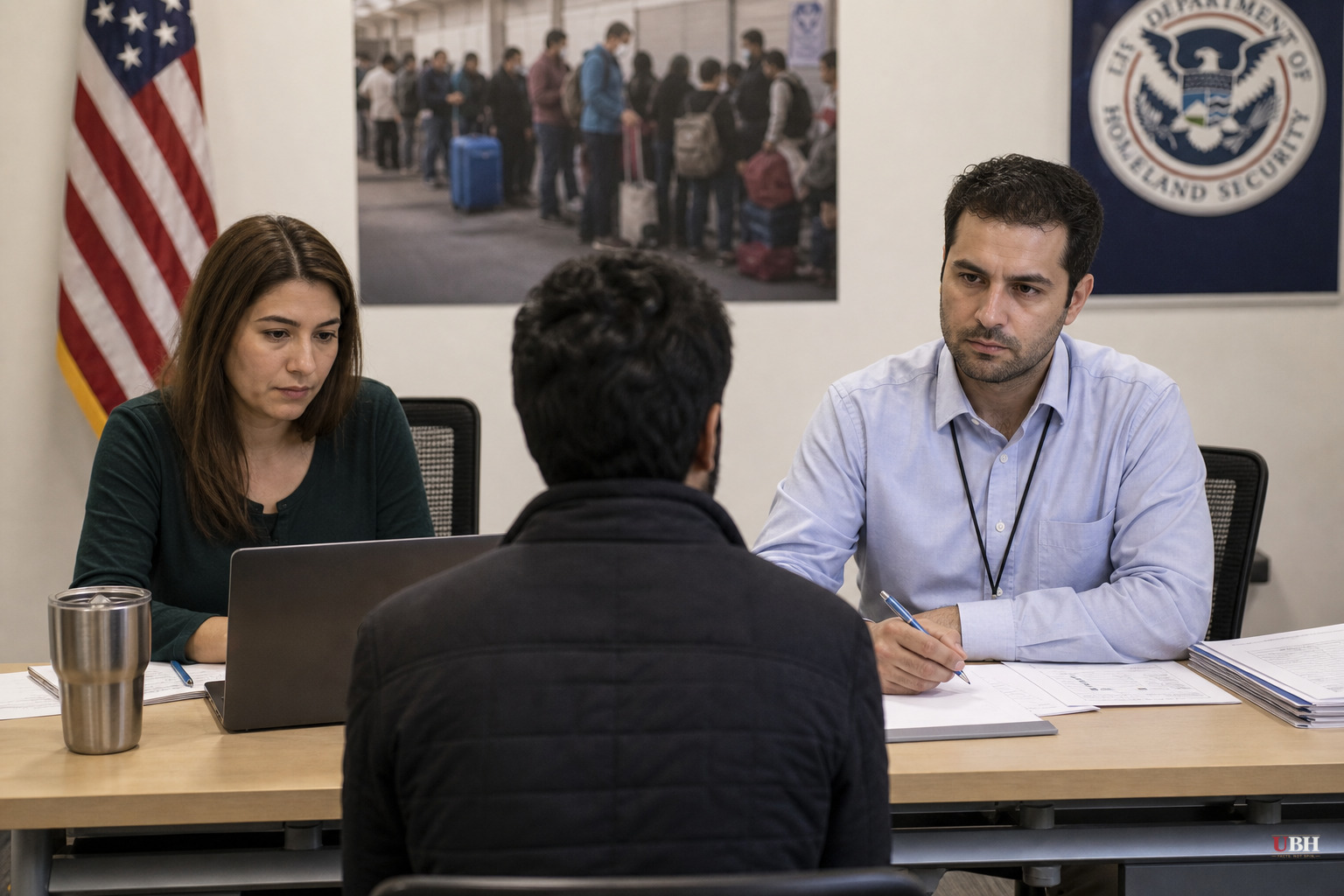
The Office of Refugee Resettlement, a federal agency, has started phone interviews with roughly 800 Afghans living in the United States, according to the Washington Post. The goal, per the Post's reporting from Maria Sacchetti and Silvia Foster-Frau, is to compile detailed records on each person: precise identity, current immigration status, whether they're in the country legally.
Refugee resettlement groups are alarmed. Their fear, as described in the Post's reporting, is that this data could eventually be funneled to Immigration and Customs Enforcement and used to build deportation cases against people who came to the US after helping American forces or fleeing the Taliban.
The Trump administration has already suspended travel, visa, and refugee-status approvals for Afghan nationals, and has stripped some protections from Afghans already living in the US, according to reporting aggregated by Ground News. Combine that policy shift with a federal agency suddenly collecting granular legal-status data on hundreds of people, and advocacy groups have reason to be nervous.
What's actually confirmed and what isn't
Here's the distinction that matters: the interviews are confirmed. The data collection is confirmed. What is NOT confirmed, in any of the available reporting, is that this information has been shared with ICE or used in any deportation proceeding. No source cited says a formal data-sharing agreement exists between ORR and ICE for this specific effort. No investigation, subpoena, or enforcement action tied to this interview program has been announced.
Advocacy groups are extrapolating from a pattern of Trump administration immigration policy, not from a document proving this specific interview data is destined for enforcement use. Their concern is reasonable given the broader climate, but it is, right now, a concern about future risk, not a report of confirmed misuse.
The other side of it
There's a straightforward, non-nefarious explanation the government could offer. Agencies verifying who is legally present in a benefits or resettlement program is not new or unusual. If ORR is administering federal resources tied to Afghan resettlement, confirming that recipients are who they say they are and hold the immigration status they claim is basic program integrity, the same kind of verification that happens in plenty of federal benefit programs regardless of who's in the White House.
This administration has already ended travel and visa approvals for Afghans and pulled protections from Afghans already here, according to Ground News's aggregation of reporting. When a government simultaneously tightens the door and starts cataloguing exactly who's on which side of it, the two actions look connected even if no one has proven a formal link.
What's missing from the coverage
None of the available reporting names which specific legal protections have been removed from Afghans already in the US, what statutory authority ORR is using to conduct these interviews, or whether the Afghans being interviewed have any legal counsel present or available to them during the process. Those are the details that would actually tell readers whether this is routine administrative housekeeping or something closer to what advocates describe.
The Washington Post's own coverage this month sits inside a much larger pattern on immigration enforcement. The paper has reported that ICE arrests hit an average of more than 1,400 people a day in July, the highest rate of the Trump administration, according to reporting by Emmanuel Martinez. It has also reported on ICE facility overcrowding, on a fatal ICE shooting in Maine involving an officer with a documented volatile history, and on Homeland Security Secretary Kristi Noem facing pressure over mounting arrests and shootings. Against that backdrop, an interview program targeting a specific, vulnerable immigrant population reads differently than it would in isolation.
What happens next
The open question is simple: does the information collected in these 800 interviews ever leave ORR's hands. If it stays inside the resettlement agency and is used only for benefits administration, this is a minor story. If it gets shared with ICE or used to build removal cases, particularly against Afghans who assisted US military operations, that's a materially different story and one that would warrant its own reporting with documented evidence, not inference. So far, no source has produced that documentation. Refugee groups say they're watching closely for it. So should everyone else.
Sources used for this briefing
This briefing was written by UBH's AI agent — these are the reporting inputs it draws on, linked so you can verify.


