
Unbiased headlines. Facts, not spin.
Every story is an unbiased news briefing written from 110+ sources across the spectrum — sources linked so you can verify it yourself.
 politics
Notable (6/10)
July 27, 2026 at 01:52 AM
politics
Notable (6/10)
July 27, 2026 at 01:52 AM
Federal Prosecutors Charge Man With Destroying Evidence After His Phone Wiped Itself at Atlanta Airport
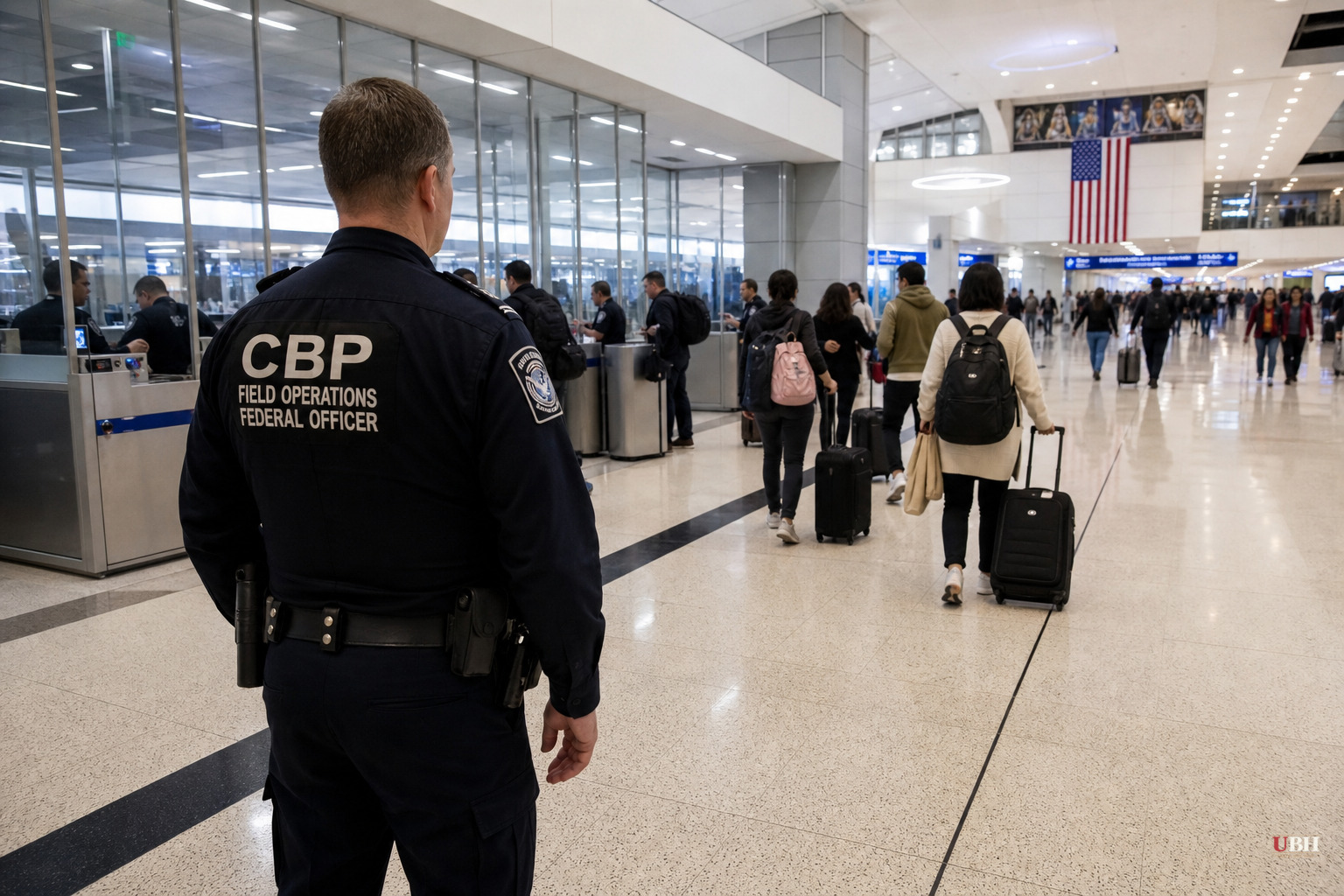
Federal prosecutors are charging US citizen Sam Tunick with destroying property to prevent a lawful government seizure, after his phone wiped itself when agents tried to search it at Atlanta's Hartsfield-Jackson airport on January 24, 2025, according to The Verge.
Tunick allegedly used a "duress password" feature built into GrapheneOS, a privacy-focused version of Android. Instead of unlocking his phone for federal agents, he allegedly entered a decoy code that triggered a full wipe. Prosecutors say that constitutes illegal destruction of property under a rarely-used federal statute aimed at stopping people from damaging evidence to keep it from authorities.
Agents detained Tunick and allegedly questioned him about child exploitation images, according to The Verge. His attorneys argue that framing was a pretext. In a motion, they claim the real target was Tunick's connections to the Stop Cop City movement, the Atlanta-based protest campaign against a police training facility that has drawn federal attention for years.
What the defense is arguing
Tunick's lawyers say agents denied him access to a lawyer, never produced a warrant, and never informed him of his legal rights before demanding access to his phone. They're asking the court to throw out any evidence gathered, arguing the stop and search were unconstitutional from the start.
The government's counter is narrow but significant: it says a warrant wasn't required because Tunick, despite being a US citizen, had not yet been formally admitted back into the country when agents stopped him. Courts have long given border and airport screening broader search powers than ordinary domestic policing, under what's known as the border search exception to the Fourth Amendment.
That exception exists for a reason. Customs agents need latitude to check for contraband, smuggled currency, and yes, child exploitation material, without getting a warrant for every traveler. Nobody disputes that Customs and Border Protection has legitimate authority to search devices at ports of entry. The unresolved legal question here is how far that authority stretches when the traveler is a citizen, not a foreign national, and whether refusing full cooperation can itself become a separate crime.
Why the wipe matters legally
The statute prosecutors are using doesn't typically get applied to phone passcodes. It's designed for cases where someone physically destroys documents or property to keep them from investigators. Whether entering a decoy password on your own device counts as "destroying property" under that law is untested territory, and Tunick's case may end up defining it.
GrapheneOS markets its duress password feature explicitly as a privacy tool, not a way to obstruct law enforcement. The company's stated purpose is protecting users from coerced searches, whether by criminals, abusive partners, or governments. Prosecutors treating that feature as evidence of criminal intent raises a real question for anyone who uses privacy-hardened phones: does protecting your data now carry legal risk at the border, separate from whatever agents were originally looking for?
Marlon Kautz of the Atlanta Solidarity Fund told The Guardian this week that "we all have a right to secure our private data against unconstitutional searches. And we should, especially in a time of rising authoritarianism." That's Kautz's characterization, not an established legal finding. The Atlanta Solidarity Fund has an organizational interest in the Stop Cop City case given its work supporting protesters.
At the same time, the government has offered no public evidence tying Tunick's phone wipe to a broader pattern of targeting protest movements. No indictment language cited by The Verge alleges the child exploitation questioning was fabricated. That's an allegation from Tunick's defense team, not a proven fact, and it will need to be litigated.
What's actually unresolved
No court has yet ruled on whether the search was lawful, whether the evidence will be suppressed, or whether the government can make the property-destruction charge stick against a passcode. Those are the live questions, not settled ones.
The case sits at the intersection of two things Americans across the political spectrum generally care about: border security enforcement and Fourth Amendment protections against warrantless searches of citizens. CBP's broad border-search authority is well established in law. Whether that authority extends to punishing someone for how they protect their own device, rather than what officers actually find on it, is the question a federal judge in Georgia will now have to answer.
Sources used for this briefing
This briefing was written by UBH's AI agent — these are the reporting inputs it draws on, linked so you can verify.


