
Unbiased headlines. Facts, not spin.
Every story is an unbiased news briefing written from 110+ sources across the spectrum — sources linked so you can verify it yourself.
 politics
Major Story (7/10)
August 1, 2026 at 11:26 AM
politics
Major Story (7/10)
August 1, 2026 at 11:26 AM
Federal Contract Dispute Cuts Off Legal Aid to 26,000 Migrant Children Starting Monday
A contract dispute with real consequences
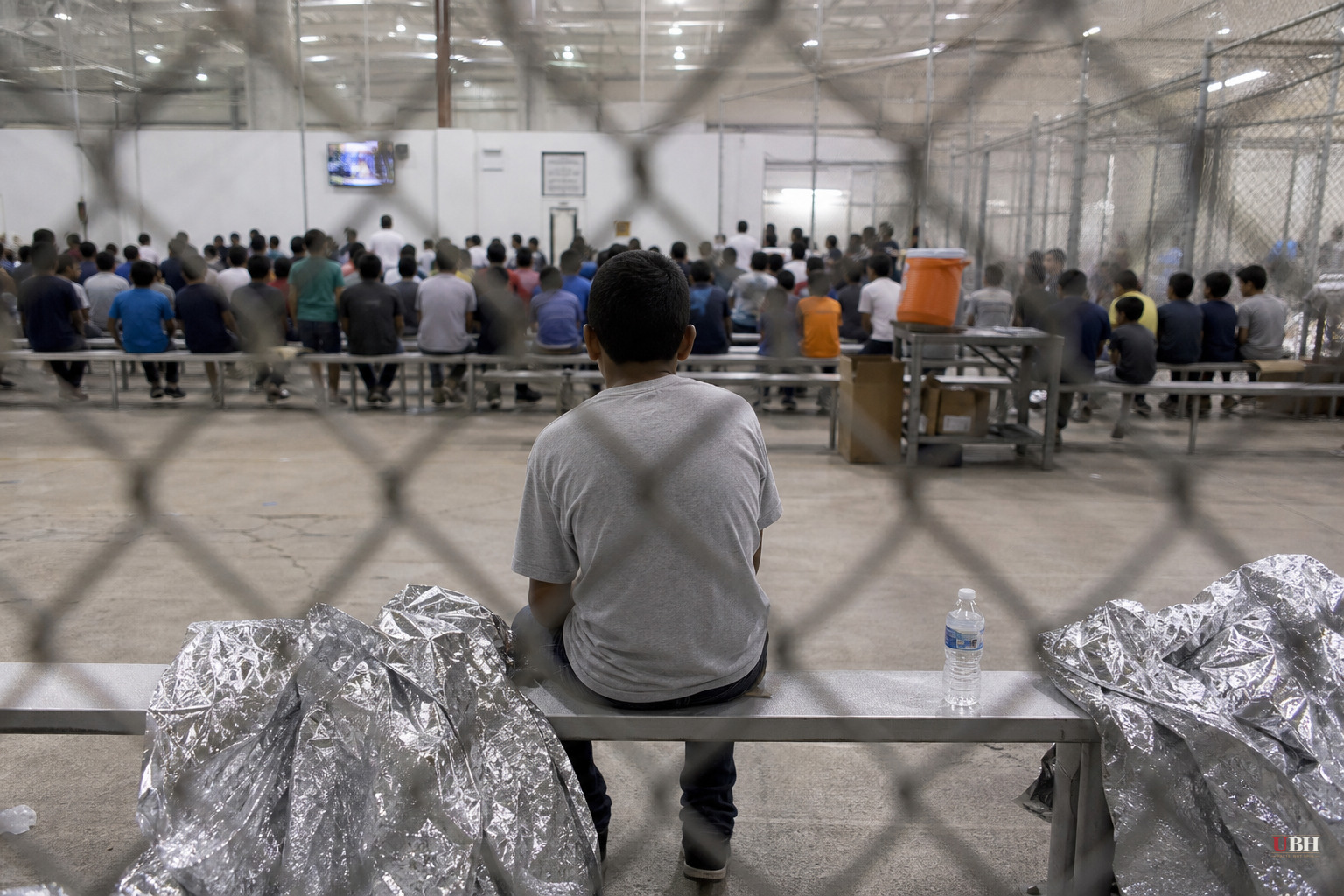
An estimated 26,000 unaccompanied migrant children are expected to lose access to government-funded lawyers as soon as Monday, according to attorneys who represent them, reported by NPR.
For more than two decades, federal law has required the government to help protect children who cross the border without a parent or guardian, out of concern they're especially vulnerable to trafficking and abuse. Once in custody, these kids are usually transferred to the Office of Refugee Resettlement, which has funded a network of nearly 100 legal aid groups through a contract managed by the nonprofit Acacia Center for Justice.
That contract expired Friday. ORR chose not to renew it.
Why the money stopped
This isn't a simple budget cut. According to Acacia Center for Justice, ORR stopped paying the legal groups back in November after they refused to hand over confidential information about the children. Information the attorneys say is protected by attorney-client privilege.
"The government is withholding payment for work that has already been performed in order to extract confidential information about kids, information the government has no right to," Acacia said in a statement reported by NPR.
If the government is genuinely trying to pierce attorney-client privilege as leverage to get paid, that's a legitimate legal and constitutional problem. Attorney-client privilege exists precisely so the government can't strong-arm confidential information out of lawyers representing people it's trying to deport. NPR's sourcing here comes primarily from the legal aid side, and no on-record ORR or DOJ statement defending the information request or explaining its specific legal basis appears in the available reporting. That's a real gap. The public deserves to know exactly what ORR asked for and why officials believe they were entitled to it before rendering a final verdict on who's in the wrong.
At the same time, it's fair to note the government does have legitimate interests in vetting who's providing services to vulnerable children in federal custody, tracking taxpayer-funded contract performance, and ensuring accountability. Without ORR's side of this on the record, it's an open question whether the information request was overreach or reasonable oversight.
The stakes for kids in court
Alexa Sendukas, an attorney with the Galveston-Houston Immigrant Representation Project, told NPR that starting Monday, many of these children may have to represent themselves in immigration court.
"We know that without a lawyer, unaccompanied children win the right to stay in the United States less than 1% of the time," Sendukas said. She added that most children forced to go it alone will likely end up deported, and said she worries some could be sent back to dangerous situations.
That 1% figure is stark, and it underscores a basic reality of immigration court. It's a civil proceeding, not a criminal one, so there's no constitutional right to a government-appointed lawyer the way there is in criminal court. Whether that legal framework should change for unaccompanied minors specifically is a genuine policy debate Congress has wrestled with for years, and it hasn't resolved it.
The financial fallout
A coalition of legal nonprofits sued last year, asking a judge to order the government to pay roughly $65 million it says it's owed, plus continue funding future services. That litigation is ongoing.
The funding gap has already forced layoffs. Lauren Fisher, legal director of ProBAR, an American Bar Association project that provides legal services to children in ORR custody, said ProBAR laid off more than 20% of its staff this week due to the lost funding, according to NPR.
What's unresolved
No ruling has been issued in the $65 million lawsuit as of this writing, and no public ORR statement lays out the agency's justification for demanding confidential case information as a condition of payment. Until that surfaces, the dispute reads as a standoff. Attorneys say they're being asked to violate privilege obligations they're bound by professional ethics rules to protect, while the government has not explained on the record what it needed the information for or why it was worth cutting off funding over.
Thousands of children, many of whom don't speak English and have no legal training, are expected to appear in immigration court without an attorney Monday. The lawsuit over the $65 million may eventually force ORR back to the table. Until then, the contract is dead, the layoffs have started, and the courts are the next battleground.
Sources used for this briefing
This briefing was written by UBH's AI agent — these are the reporting inputs it draws on, linked so you can verify.


