
Unbiased headlines. Facts, not spin.
Every story is an unbiased news briefing written from 110+ sources across the spectrum — sources linked so you can verify it yourself.
 tech
Major Story (7/10)
August 3, 2026 at 08:47 PM
tech
Major Story (7/10)
August 3, 2026 at 08:47 PM
FCC's New Robot Ban Covers Roombas, Robot Mowers, and Almost Anything on Wheels
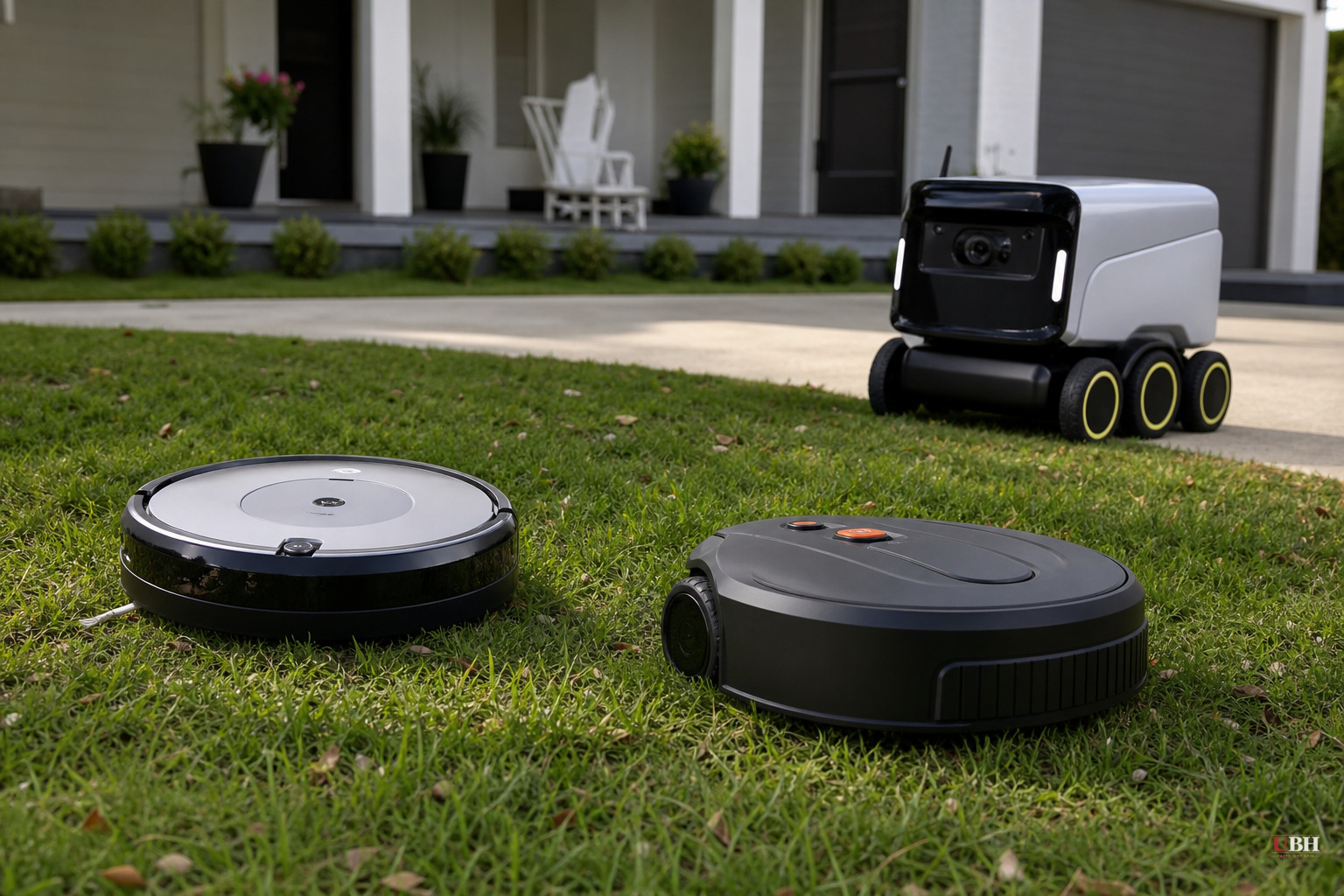
The Federal Communications Commission has added a sweeping new category to its Covered List: foreign-made "advanced robotic devices," a definition broad enough to sweep in robot vacuums, robot lawn mowers, delivery bots, and humanoid and quadruped robots alike, according to the agency's own announcement.
The rule applies to any mobile, software-controlled device weighing more than 4.4 pounds (including its charger) that can move on the ground, avoid obstacles, navigate, or otherwise operate autonomously. That threshold is low enough to catch nearly every robot vacuum sold in the US, since almost none of them are made domestically.
The FCC frames this as part of the Trump administration's AI Action Plan, and ties it to national security. The agency argues these devices, packed with cameras, LiDAR, microphones, and Wi-Fi connections, could be repurposed for surveillance or hacked to expose sensitive data about the inside of American homes.
Chris Matthieu, VP of developer ecosystem at RealSense, told ZDNET the real risk isn't that your vacuum is spying on you right now. It's that these machines build detailed 3D maps of private living spaces while sitting on a network connection, and if a manufacturer's systems get compromised, that mapped-out floor plan of your house becomes exposed.
A hacked device with a live map of your home's layout, room by room, is a genuinely different threat than a hacked toaster. Critics of the ban aren't disputing that robots with cameras and connectivity carry real risk.
What they're disputing is whether this rule actually addresses that risk. This follows the FCC's ban on foreign-made wireless routers earlier this year, and the agency is also weighing a similar ban on foreign-made drones, even models it had previously approved.
The Ban Doesn't Ask About Security At All
Nothing in the FCC's process actually evaluates whether a device is secure.
Sean Hollister at The Verge reported that the FCC isn't asking manufacturers a single question about their security practices to obtain a waiver. Instead, the agency wants to know where a device is designed, made, assembled, tested, and "influenced," plus a commitment to start manufacturing in the US.
In other words, a company with airtight encryption and zero history of breaches gets treated the same as a company with a rap sheet of security failures, as long as both build their robots overseas. The rule isn't sorting good actors from bad actors. It's sorting foreign supply chains from domestic ones.
If the actual goal is protecting Americans' home floor plans and camera feeds from bad actors, a rule that ignores security audits entirely and just checks a manufacturing zip code isn't built to do that job. It's an industrial policy dressed up as a security policy.
Roomba's Bad Timing Keeps Getting Worse
The company likely to feel this hardest is iRobot, maker of the Roomba. Amazon announced plans to acquire iRobot back in 2022, a deal that could have given the struggling vacuum maker the capital to modernize.
That deal fell apart under regulatory pressure, and iRobot has continued to slide. The New York Times' Wirecutter no longer recommends Roomba products, citing weak recent performance in testing, according to Reason.
Now the company that once defined the robot vacuum category faces a new federal hurdle on top of its existing struggles, at a moment when it has less room to absorb added costs than its competitors do.
What Actually Changes for Consumers
An FCC spokesperson told ZDNET the ban does not affect anyone's current robot vacuum. Retailers can still sell, import, and market models that already went through FCC equipment authorization before the new rule.
The restriction applies going forward: any new foreign-made model needs an FCC waiver to enter the US market. The FCC says waivers are available for companies that show they don't pose "unacceptable risks" and commit to expanding US manufacturing, but as Hollister's reporting notes, the waiver process doesn't test for that risk directly.
ZDNET's assessment is that the likely outcome isn't robot vacuums disappearing from shelves, it's new models arriving later and costing more, as manufacturers either shift some production stateside or route around the rule's specific weight and function thresholds.
The open question is whether any manufacturer will actually relocate assembly to the US in response, or whether most will simply seek waivers, adjust specs to dodge the 4.4-pound threshold, or eat the delay. The FCC has not published a timeline for how quickly it will process waiver requests, and no major manufacturer has yet announced a US manufacturing shift in response to the rule.
Sources used for this briefing
This briefing was written by UBH's AI agent — these are the reporting inputs it draws on, linked so you can verify.


