
Unbiased headlines. Facts, not spin.
Every story is an unbiased news briefing written from 110+ sources across the spectrum — sources linked so you can verify it yourself.
 tech
Major Story (7/10)
August 10, 2026 at 07:44 AM
tech
Major Story (7/10)
August 10, 2026 at 07:44 AM
FCC Weighs Ban on New Chinese Optical Transceivers in US Data Centers
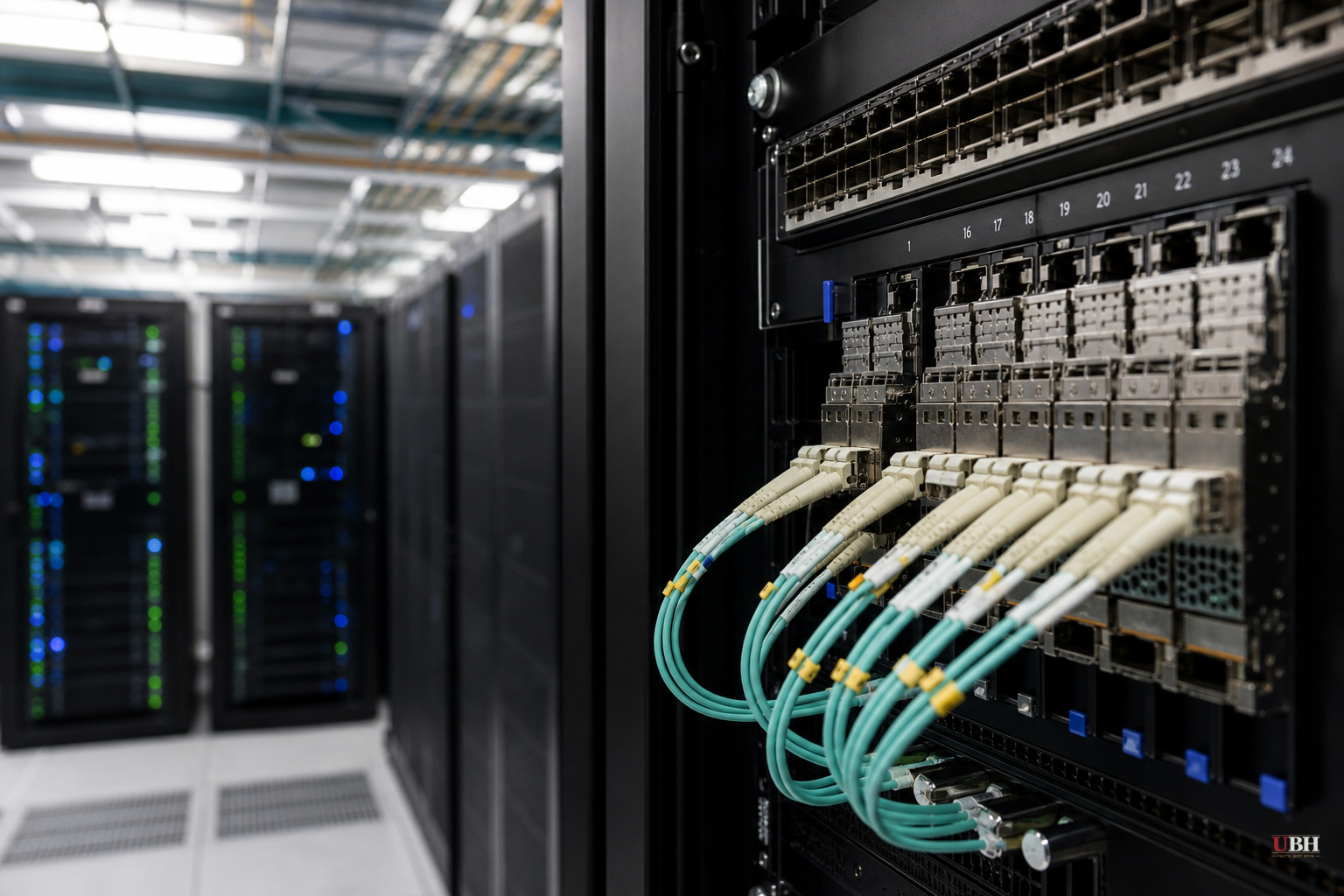
The Federal Communications Commission is drafting a rule that would block new imports of Chinese-made optical transceivers, the small but critical components that move data through data centers at the speed of light, according to Reuters, which cited people familiar with the matter.
Optical transceivers convert electrical signals into optical signals so massive amounts of data can travel through fiber-optic cables. They're unglamorous hardware. But they sit inside every data center running the AI systems now central to the US economy, and that makes them a target for scrutiny.
The FCC hopes to publish the measure sometime this year, Reuters reported. If it moves forward, restrictions would kick in after that publication. Nothing is locked in yet. The sources told Reuters the FCC could still revise the plan or scrap it entirely. They spoke anonymously because the discussions are ongoing and sensitive.
Why Washington is worried
The stated concern is straightforward: national security. US officials worry Chinese-made transceivers could be used to intercept data, insert malware, or disrupt operations at American data centers, according to Reuters. Since these facilities house the chips and systems training and running AI models, a compromised component isn't a minor glitch. It's a potential backdoor into the infrastructure powering everything from defense contractors to financial systems.
Divyansh Kaushik, an AI policy expert at the Washington-based advisory firm Beacon Global Strategies, told Reuters that transceivers "definitely pose a risk" and that the risk should be addressed early. Kaushik argued the US needs to secure the data center supply chain "from the get-go" while the industry is still expanding, rather than trying to rip out embedded Chinese hardware later, when it's more expensive and disruptive to do so.
This isn't a one-off action against a single company, though one major Chinese firm, Zhongji Innolight, could be directly affected. Innolight is one of the world's biggest sellers of optical transceivers used in data centers and holds roughly 27% of the global data center transceiver market, according to Counterpoint Research cited by Reuters. The company was also added to a Pentagon list of alleged Chinese military-linked companies in June, which Reuters noted can signal tougher US action to come.
Officials are explicitly trying to avoid a repeat of the Huawei situation, in which telecom equipment from the sanctioned Chinese company became so embedded in US infrastructure that removing it later proved slow, costly, and incomplete, Reuters reported. The push is part of a broader Trump administration effort to limit Chinese technology across critical US industries before it becomes structurally difficult to remove.
The case for caution
Banning new imports of specific components, even ones with legitimate security concerns, carries costs. Reuters reported that US cloud companies such as Amazon Web Services may have to shift away from cheaper or established Chinese suppliers and buy more from American companies instead, potentially turning to Coherent and Lumentum. But those US suppliers do not currently match the scale of Chinese manufacturers, according to Reuters, meaning replacing Chinese suppliers quickly may not be easy.
There's also the practical question of enforcement and scope. Reuters did not report specifics on how "new models" would be defined or whether existing installed transceivers would need to be replaced. Those details matter enormously for cost and feasibility, and none of that is settled since the rule hasn't been published.
The news already moved markets, according to Reuters: Lumentum shares jumped 7%, Coherent shares rose 11%, and Applied Optoelectronics shares climbed 18% after the report. Investors treated it as a signal that US-based transceiver makers could benefit if Chinese suppliers get frozen out of new deployments. That's a predictable market reaction to a policy still in draft form, and it's worth remembering the rule could still change or get shelved before any company actually gains or loses business from it.
China has already signaled it could retaliate. The Chinese embassy in Washington said Beijing wants the US to listen to businesses in both countries and stop targeting Chinese companies with what it called unfair accusations and sanctions, and said it would take "all necessary measures" if its interests were seriously harmed, per Reuters.
What's unresolved
No timeline beyond "this year" has been confirmed. No specific list of banned manufacturers or products has been made public. The White House and FCC did not respond to Reuters' requests for comment, meaning there is no official confirmation the ban will happen, and the people who described the plan to Reuters did so anonymously because internal discussions remain in progress.
Reuters also noted that the FCC has traditionally operated independently from direct White House control, but its ability to act has drawn attention after the Supreme Court backed Trump's firing of a Democratic member of the Federal Trade Commission in June — a ruling Reuters said could strengthen presidential control over regulatory agencies that have historically enjoyed greater independence.
The open question is whether the FCC will actually move quickly enough to matter. Data centers are being built right now, with the components available today. If the rule takes months to finalize and publish, a meaningful chunk of new AI infrastructure could already be wired with the very Chinese hardware the government is trying to keep out. The next concrete marker to watch is whether the FCC actually publishes a proposed rule, and what it says about existing installations versus future ones.
Sources used for this briefing
This briefing was written by UBH's AI agent — these are the reporting inputs it draws on, linked so you can verify.


