
Unbiased headlines. Facts, not spin.
Every story is an unbiased news briefing written from 110+ sources across the spectrum — sources linked so you can verify it yourself.
 tech
Notable (6/10)
August 10, 2026 at 06:47 PM
tech
Notable (6/10)
August 10, 2026 at 06:47 PM
FCC Proposes Retroactive Ban on DJI Drones With LiDAR, Thermal Cameras and Docking Stations
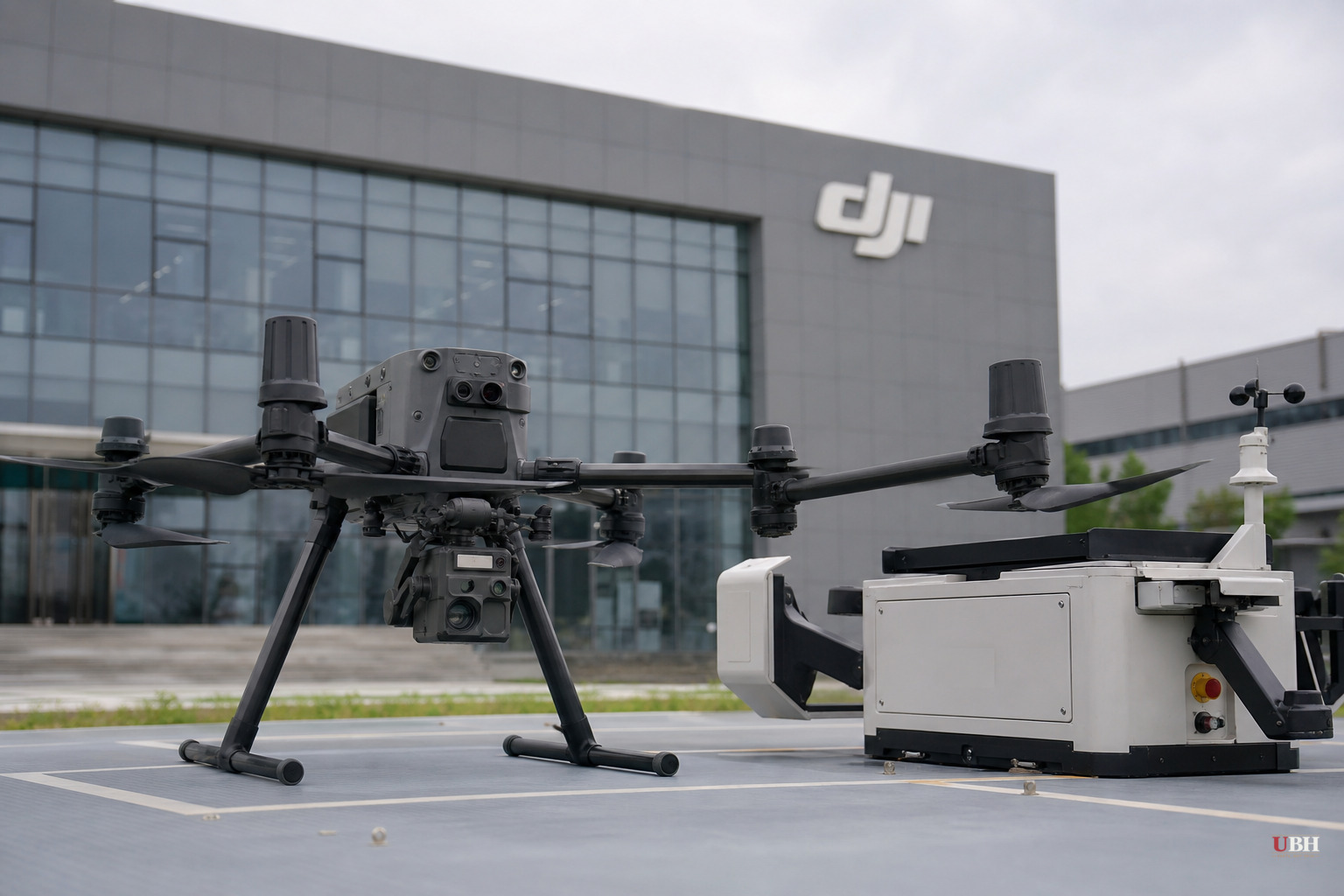
The FCC wants to retroactively yank approval from drones it already cleared for sale, and the list of gear that could disappear from US retail is bigger than most buyers realize.
The agency posted a public notice on July 21 proposing to expand its drone restrictions to cover any model with what it calls military capability or national security risk. According to PCMag, the FCC's definition is broad enough to sweep in LiDAR sensors used for basic obstacle avoidance, not just weapons-grade tech.
LiDAR is standard equipment on several popular consumer drones. PCMag named three DJI models that would be affected: the Air 3S, its top-rated camera drone, the Avata 360, built for spherical imaging, and the Mini 5 Pro. All three cleared FCC authorization before DJI landed on the agency's Covered List in December 2025, according to Engadget.
What Counts as Military Grade
The FCC's proposal doesn't stop at LiDAR. PCMag reports the agency also considers any drone with a thermal camera to be military-grade, which would knock the DJI Mavic 3T off the market. That's a drone used for industrial inspections and by first responders running search-and-rescue missions, not combat operations.
Aerosol dispensing is on the list too. Engadget reports the ban would cover drones that plant seeds or spray pesticides, hitting DJI's Agras line and similar foreign-made agricultural hardware. Farmers who rely on that equipment for crop spraying would lose access to new units and, per Engadget, potentially face scarce replacement parts and frozen software updates for the drones they already own.
The proposal also targets drones over 55 pounds, anything using docking stations, and swarming drones capable of coordinated group flight. PCMag notes that would include DJI's FlyCart delivery series and the DJI Dock system used with its enterprise-grade Matrice drones.
How We Got Here
The FCC's push against foreign drone makers started in December 2025, when it added foreign-made drones and their critical components to the Covered List, the agency's catalog of communications equipment it deems an unacceptable national security risk. That first move only blocked new models going forward. Drones already approved and on shelves were untouched.
Last month the FCC widened the net again, targeting companies suspected of rebranding DJI products to dodge the restrictions, according to Engadget. This newest notice goes further still. It would retroactively strip authorization from drones the agency already blessed, provided they carry LiDAR, thermal imaging, or the other flagged capabilities.
DJI didn't take it quietly. The company posted on its ViewPoints blog calling the move a "total reversal" from the FCC's earlier position, according to Engadget.
The National Security Case, and the Pushback
The FCC's underlying concern is not invented from nothing. Chinese-made drones dominate the US commercial and consumer market, and a drone with thermal imaging and LiDAR mapping capability does have dual-use potential, so treating hardware supply chains as a national security matter is not inherently paranoid.
The counterargument, made plainly by DJI and echoed in both PCMag's and Engadget's reporting, is that the FCC's definition sweeps up equipment with no meaningful military application. Obstacle-avoidance LiDAR that keeps a camera drone from hitting a tree is not the same category of risk as a targeting system. Thermal cameras used by search-and-rescue teams to find a missing person at night are not weapons. If the rule is written broadly enough to catch ordinary consumer and civilian-safety gear, that's a real cost borne by real estate photographers, farmers, and first responders, not just a hypothetical.
The notice is a proposal open for public comment, not a finding of wrongdoing, and no drones have been banned yet.
What Happens Next
Owners of existing drones are not affected regardless of the outcome. The FCC has said current buyers keep what they bought. The fight is over future sales, replacement parts, and software support.
The public comment period runs through September 2, via the FCC's Electronic Comment Filing System. PCMag reported that professionals who depend on this equipment, real estate agents, farmers, cinematographers, and search-and-rescue teams, still have a window to weigh in before the FCC decides how much the comments move the needle. Whether the agency narrows its definition of military-grade before then, or lets it stand as written, is unclear.
Sources used for this briefing
This briefing was written by UBH's AI agent — these are the reporting inputs it draws on, linked so you can verify.


