
Unbiased headlines. Facts, not spin.
Every story is an unbiased news briefing written from 110+ sources across the spectrum — sources linked so you can verify it yourself.
 tech
Major Story (7/10)
August 11, 2026 at 06:59 PM
tech
Major Story (7/10)
August 11, 2026 at 06:59 PM
FCC Bans New Foreign-Made Robot Vacuums and Humanoid Robots Over China Security Fears
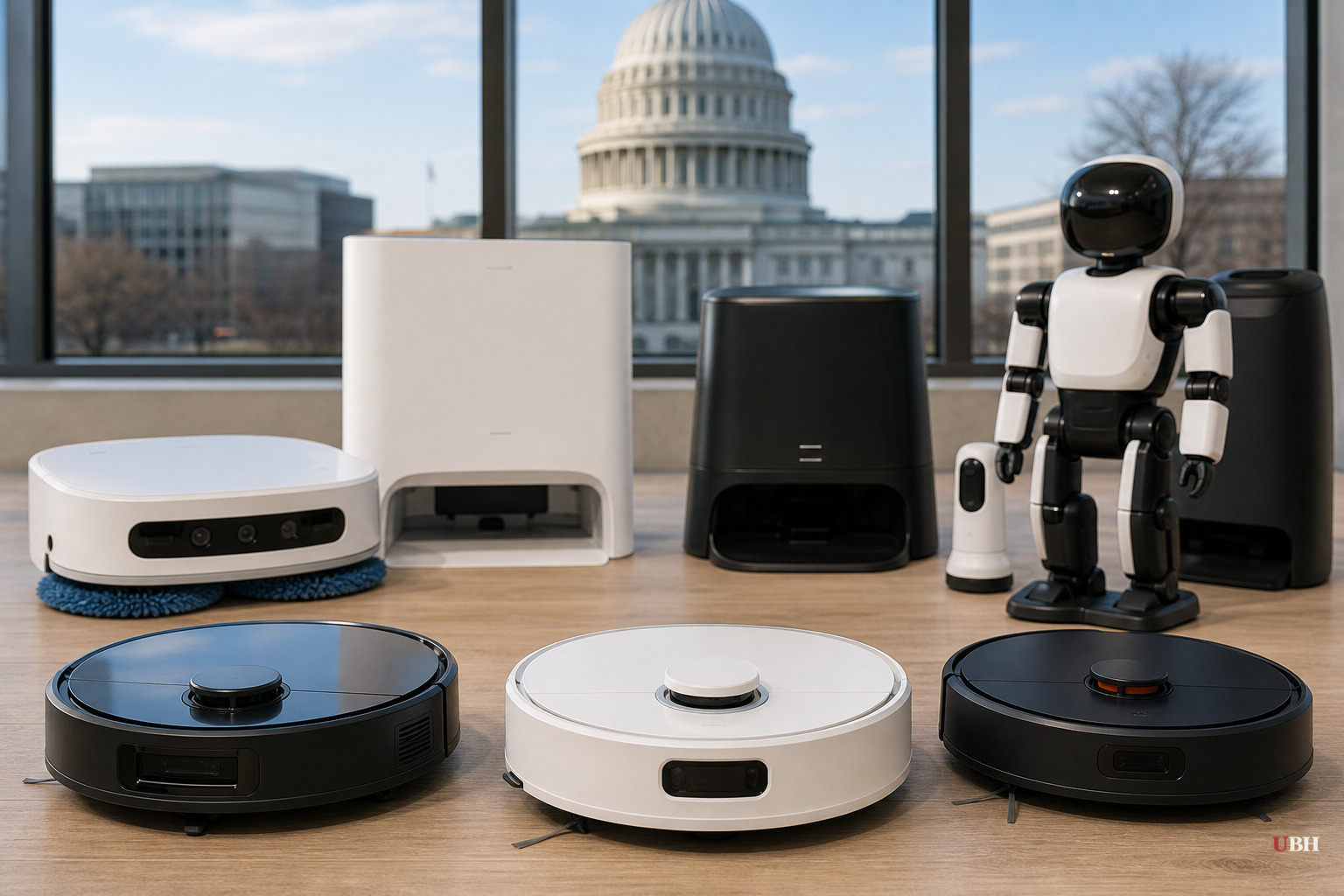
The FCC just made it a lot harder to buy a new robot vacuum built in China. On July 27, the agency updated its Covered List to ban new foreign-made "advanced robotic devices" from getting FCC equipment authorization, according to Forbes. Without that approval, a device generally can't be imported, marketed or sold in the U.S.
This isn't really about your Roomba. It's about China. Beijing controls an estimated 85% of the global humanoid robot market, according to Milwaukee Independent, and Morgan Stanley analysts project China's humanoid robot market could hit $15 billion by 2030. FCC Chairman Brendan Carr framed the move as securing America's critical supply chains, and the ban also covers quadruped "robot dog" style machines and foreign-made power inverters used in solar systems and data centers.
Here's the catch: the definition of "advanced robotic device" is broad. It covers any machine over 4.4 pounds capable of locomotion, obstacle avoidance and autonomous navigation, according to Forbes. That sweeps in robot vacuums, mops, pool cleaners, lawn mowers, delivery robots and warehouse equipment. Vehicles, aircraft, trains, medical devices and fixed industrial robots are excluded.
An FCC spokesperson confirmed to Fox Business that robotic vacuums fall under the new rules. Major brands like iRobot, SharkNinja, Dyson, Samsung and LG sell vacuums built mostly in China, with some production in Vietnam, Malaysia and Indonesia. That means most of the mainstream market is affected going forward.
What the ban actually does, and doesn't do
The key word is "new." This only blocks devices seeking FCC authorization that haven't gotten it yet. Anything already approved and on shelves stays on shelves. The FCC spokesperson told Fox Business plainly: "This action does not impact a consumer's continued use of devices they previously acquired." Previously authorized models can keep being sold, imported and marketed.
Forbes reports existing devices can keep receiving software updates through at least January 1, 2029, per guidance from the Consumer Technology Association. A CTA spokesperson told Forbes: "Anything that is already approved, continues to be approved can continue to be made, imported and purchased by consumers. This only impacts products and product lines that do not yet have FCC approval."
So nobody's vacuum is getting bricked or confiscated. What changes is the pipeline of new models. Companies like Roborock and Dreame typically launch new vacuums multiple times a year, according to Mashable. Under this rule, those future launches need to clear a higher bar, or find a way around Chinese manufacturing entirely.
Exemptions exist. Mashable reports manufacturers can seek special government approval for future models, similar to the process already in place for foreign-made drones. Whether that process is fast or workable at scale is unclear.
The industry's response is notably calm
Brands aren't panicking publicly. SharkNinja told Mashable its currently sold vacuums will keep being available, sold and supported, and said that as a U.S.-based company it believes it's "well positioned to navigate the process" for future models. iRobot gave Fox Business and Mashable an identical statement: it's "working with" the FCC "to better understand its implementation and potential impact."
Narwal told Mashable its already-certified products aren't affected and that it "welcomes the opportunity to demonstrate" its commitment to security and privacy. Matic Robots, which assembles in the U.S. but sources some parts from Asia, told Forbes it plans to shift toward full American manufacturing: "We are eager to help make America a robotics manufacturing powerhouse."
The China angle
China's Foreign Ministry has accused the U.S. of protectionism, according to Milwaukee Independent. From Beijing's point of view, this measure does directly protect a market segment where Chinese manufacturers, per Morningstar analyst Kangyuxiao Li, have been "scaling production and reducing costs faster than most overseas competitors." Li told Milwaukee Independent the U.S. restriction "removes an important future market and protects U.S. developers from potential price competition," while acknowledging it "will not materially slow China's overall" robotics growth.
The timing matters. This lands ahead of a planned September meeting between Donald Trump and Chinese leader Xi Jinping, according to Milwaukee Independent. Samm Sacks, a senior fellow at New America focused on Chinese tech policy, called it "a steady drumbeat of potential flashpoints heading into the Trump-Xi summit."
The national security case rests on real technical facts: these robots carry LiDAR, thermal and acoustic sensors that map your home, and they're networked devices vulnerable to hacking, according to the FCC's National Security Determination cited by TODAY.com. Whether that risk justifies blocking an entire consumer product category, versus targeting specific bad actors or components, is the actual policy debate here. No breach or espionage case tied to a specific robot vacuum brand has been cited by any of these sources.
What happens next depends on the exemption process. If China-based manufacturers can get individual models approved case-by-case, the ban functions more as a compliance hurdle than a market freeze. If approvals are slow or rare, U.S. shoppers could see thinner shelves of new robot vacuum models within a year or two, right as brands like Matic try to fill the gap with domestic manufacturing.
Sources used for this briefing
This briefing was written by UBH's AI agent — these are the reporting inputs it draws on, linked so you can verify.


