
Unbiased headlines. Facts, not spin.
Every story is an unbiased news briefing written from 110+ sources across the spectrum — sources linked so you can verify it yourself.
 politics
Major Story (7/10)
July 31, 2026 at 02:07 PM
politics
Major Story (7/10)
July 31, 2026 at 02:07 PM
FBI Now Pulling IP Addresses From Online Voter Registrations in Expanded Fraud Probe
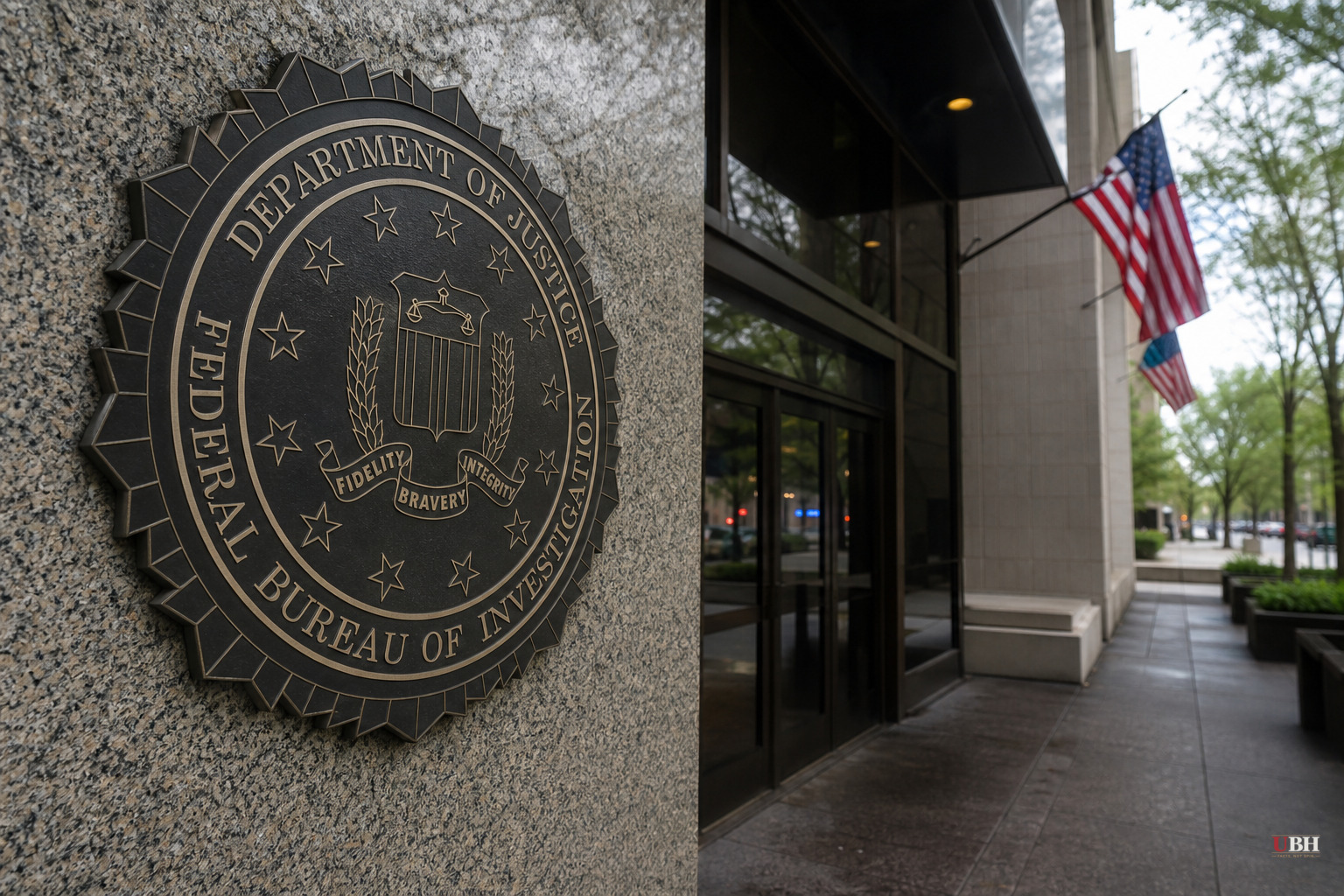
The FBI has started requesting IP addresses tied to online voter registrations as part of a broader federal fraud investigation launched under President Trump, according to Axios. The bureau recently obtained the IP address of a person who registered to vote online in South Carolina, and state and local election officials complied with the request.
Those officials told Axios the move was unusual. Election administrators said they hadn't seen a federal request like it in nearly two decades of running elections in the state.
An IP address isn't a smoking gun. It can show a general location and which internet provider someone used, but it doesn't identify a specific person sitting at a specific keyboard. Multiple people in a household, an office, or a library can share the same address, and VPNs can mask it entirely.
The South Carolina request isn't isolated. Axios reported that immigration authorities have separately sought voter data in other states, and the Justice Department is pursuing access to voter registration records on a nationwide scale. That represents a significant expansion of federal reach into a system that states have historically run on their own, with minimal federal involvement outside of specific, targeted cases.
The case for scrutiny
Supporters of the effort, including officials in the Trump administration, argue that federal agencies have both the authority and the obligation to make sure only eligible citizens are on the voter rolls and that registration systems aren't being gamed. Noncitizen registration, duplicate registrations across state lines, and stale voter rolls are real administrative problems that election officials in both parties have flagged for years. The Government Accountability Office and state auditors have periodically found outdated or inaccurate entries on voter rolls, even without evidence those errors led to fraudulent votes being cast. If online registration portals have security gaps that let someone submit fake information, tracing an IP address is a legitimate investigative tool, no different than what law enforcement does in fraud cases involving banking or benefits applications.
Election-integrity advocates have made this case for years: if the system can't be audited, the public has no way to know whether it's clean. An investigation that produces verifiable results, one way or the other, is better than an unresolved suspicion hanging over every election cycle.
The case for caution
Critics quoted by Axios said the expanded investigations risk undermining public confidence in elections, precisely the opposite of what election-integrity efforts are supposed to accomplish. Their concern isn't abstract. If ordinary voters learn the FBI can pull their IP address just for registering online, some may hesitate to register at all, particularly people already wary of government overreach.
There's also a scale problem. A single South Carolina case is one thing. A Justice Department push for registration records nationwide is another. No source here has produced evidence of widespread fraud tied to online voter registration specifically. Without that evidence, the nationwide scope of the request looks, to critics, less like a targeted fraud probe and more like a fishing expedition.
Election officials have legitimate administrative interests in clean rolls. A federal law enforcement agency quietly building IP-address dossiers on ordinary registrants is a meaningful escalation that deserves public scrutiny, not just administration talking points.
What's unproven
No charges have been announced in connection with the South Carolina IP address request. No indictment, no named suspect, no public evidence of fraud has been presented in the reporting available. This is an investigative step, not a finding.
That distinction matters. An IP address lookup is not proof of wrongdoing, and the fact that the FBI sought one doesn't establish that the underlying registration was fraudulent. It establishes that the FBI wants more information, and that state officials, at least in South Carolina, handed it over.
What's next
Axios reported the Justice Department is still pursuing broader access to voter registration data nationwide, which means this story isn't close to finished. The open questions are basic: how many states will comply with similar requests, what will the FBI do with the data it collects, and will any of it produce actual fraud cases that hold up, or will it produce a paper trail with no prosecutions attached. Until one of those outcomes materializes, both the administration's integrity argument and the critics' chilling-effect argument remain what they are right now: competing predictions about where this goes.
Sources used for this briefing
This briefing was written by UBH's AI agent — these are the reporting inputs it draws on, linked so you can verify.


