
Unbiased headlines. Facts, not spin.
Every story is an unbiased news briefing written from 110+ sources across the spectrum — sources linked so you can verify it yourself.
 politics
Notable (5/10)
July 24, 2026 at 05:25 PM
politics
Notable (5/10)
July 24, 2026 at 05:25 PM
Family of Slain Westchester Student Demands Hochul Reverse New York's Sanctuary Laws
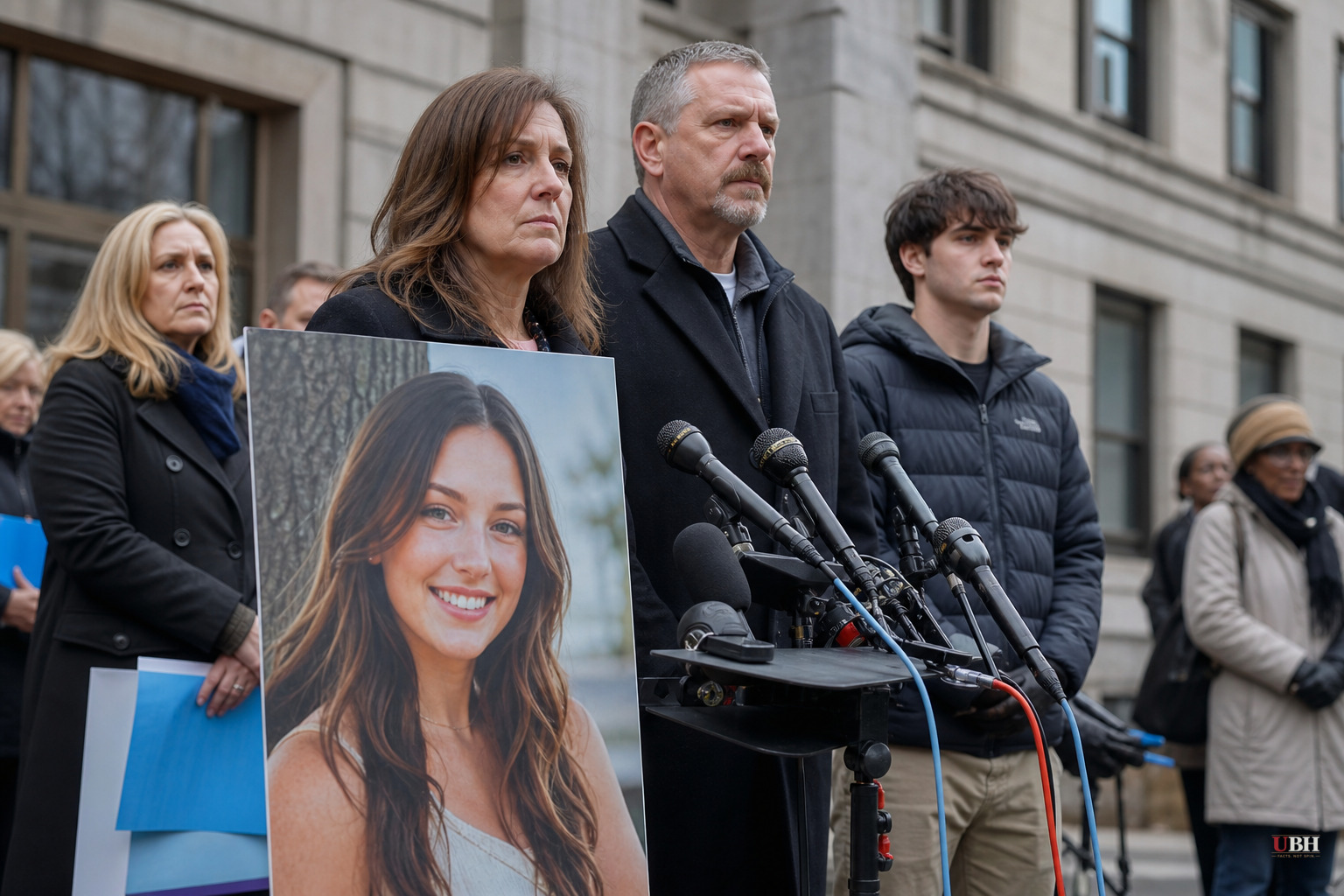
Jessica Gorman stood outside the Yorktown Police Department on Friday and cried while she talked about her daughter.
Sheridan Gorman was 18. A freshman at Loyola University Chicago. A graduate of Yorktown High School in Westchester County. Last year she was walking with friends to see the northern lights when a man attacked and killed her, according to the New York Post.
The man accused in her killing was an illegal migrant who had multiple prior run-ins with law enforcement, the Post reported. That detail is now the center of a political fight playing out 800 miles from where Sheridan died.
"Frankly I'm furious that the politicians we chose did not choose us in return," Jessica Gorman said, according to the Post. "I worry that another parent will collapse on their child's bed."
A Family's Grief Becomes a Campaign Issue
Gorman's parents didn't hold Friday's press conference alone. Republican gubernatorial candidate Bruce Blakeman stood with them, and the family urged voters to back him in November. Hudson Valley Republican Rep. Mike Lawler, who faces his own re-election fight this year, was also there.
The family's target: Gov. Kathy Hochul and New York Democrats, over what the Post described as "new, sweeping sanctuary laws." Jessica Gorman said she worries about "the children of New York" under those policies.
The specific sanctuary provisions the family wants reversed weren't detailed in available reporting beyond the family's demand that lawmakers act. Voters trying to evaluate this fight deserve to know exactly which statutes are on the table, what they restrict for local and state cooperation with federal immigration enforcement, and when they passed. The Post's report frames the family's anger and names the politicians standing behind them, but doesn't spell out the legislative text driving the dispute.
What's Actually in Dispute
Sanctuary policies, broadly, restrict how much local and state law enforcement can cooperate with federal immigration authorities, including U.S. Immigration and Customs Enforcement. Supporters of these policies argue they encourage immigrant communities to report crimes and cooperate with police without fear of deportation, and that local police shouldn't be doing federal immigration enforcement's job.
That's a legitimate position, and it's the one Hochul and Albany Democrats have generally leaned on when defending New York's approach to immigration enforcement cooperation.
The Gorman family's counter is also legitimate on its own terms. When someone with a documented criminal history and unresolved immigration status is free to kill an 18-year-old college freshman, the policies that kept that person in the country and out of federal custody deserve scrutiny. It's the same argument driving voter concern in swing districts across the country.
What's not established in current reporting is a direct causal chain proving that a specific New York sanctuary statute enabled this particular killing, which happened in Chicago under Illinois law, not New York's. Sheridan Gorman was a New York native attending school in Illinois. Her killer's prior encounters with law enforcement, and whether federal immigration authorities had opportunities to detain or deport him before the killing, are questions that fall on Illinois and federal jurisdiction, not Hochul's desk directly.
This distinction matters because Blakeman and Lawler are using a Chicago killing to press for New York policy change, and that linkage deserves scrutiny even as the family's grief is entirely genuine and their frustration with elected officials is their own to voice.
The Political Stakes
Blakeman is challenging Hochul in the November governor's race. Lawler is defending his House seat. Both have an obvious incentive to elevate a sympathetic, grieving family as the face of an immigration enforcement argument heading into an election year.
That doesn't make the family's pain performative. Jessica Gorman's tears outside a Westchester police department were not staged for anyone's benefit. But it does mean voters should separate the emotional weight of her loss from the specific policy claims being made on the back of it.
Neither Hochul's office nor state Senate Democratic leadership has issued a public response to the Gorman family's demands, according to available reporting. Whether Albany moves on any sanctuary-law changes before November, or whether this remains a campaign talking point without legislative follow-through, is the open question going into the fall election.
Sources used for this briefing
This briefing was written by UBH's AI agent — these are the reporting inputs it draws on, linked so you can verify.


