
Unbiased headlines. Facts, not spin.
Every story is an unbiased news briefing written from 110+ sources across the spectrum — sources linked so you can verify it yourself.
 politics
Major Story (7/10)
June 27, 2026 at 01:33 PM
politics
Major Story (7/10)
June 27, 2026 at 01:33 PM
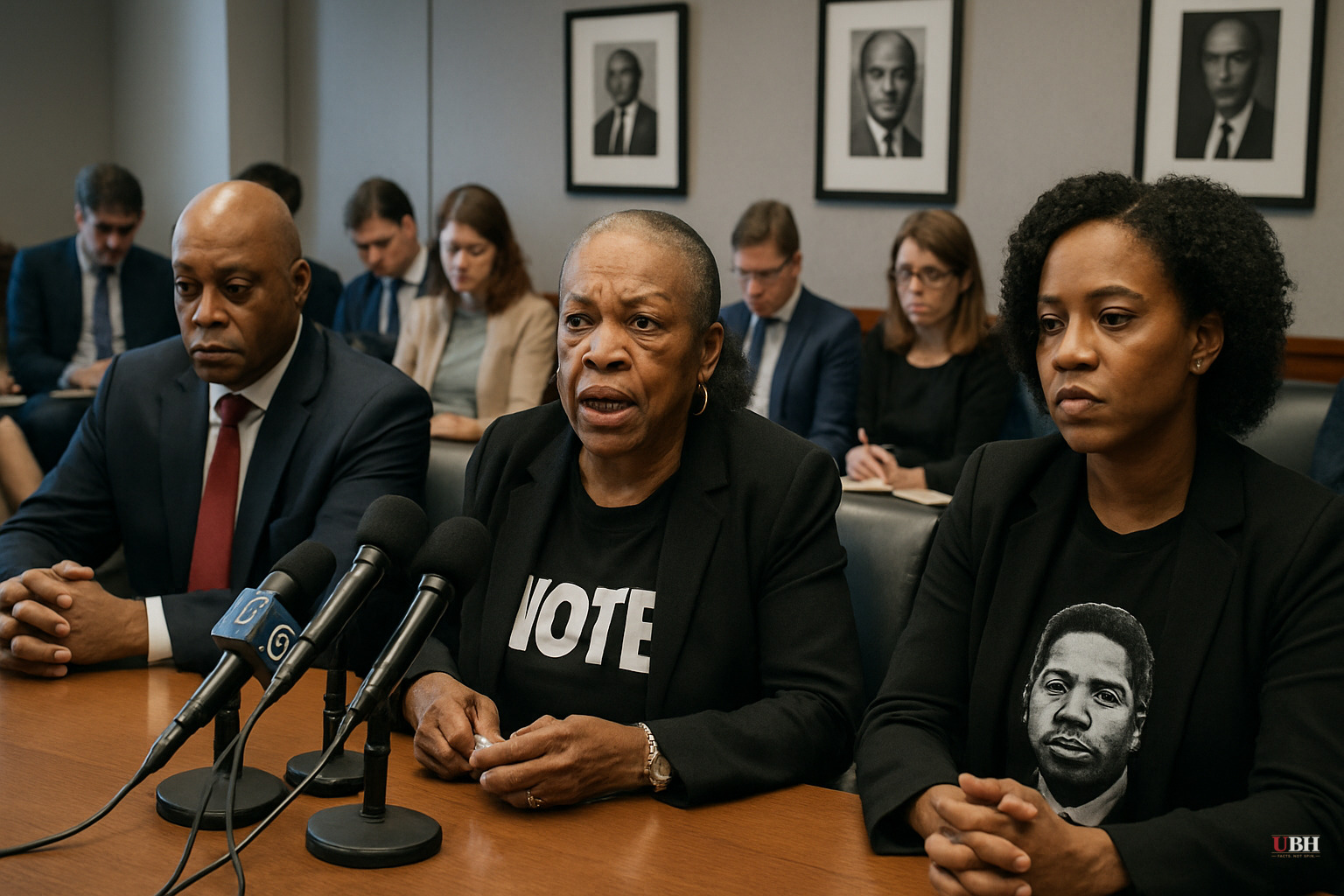
Families of Civil Rights Martyrs Say Current Voting Laws Betray the Sacrifices Made for the Ballot
What the Families Are Saying
According to AP News, survivors and descendants of voting rights martyrs — relatives of those killed during the civil rights era — believe the United States is reversing course on voting access. Their argument: people literally died to secure the right to vote for Black Americans, and recent changes to voting law dishonor that sacrifice.
That emotional weight is real. The families AP spoke with see contemporary developments — including court rulings that affected the Voting Rights Act's preclearance requirement, and subsequent state-level laws tightening ID rules, limiting mail ballot access, and reducing early voting windows — as a coordinated retreat from hard-won guarantees.
What the Policy Debate Actually Is
Critics of recent voting laws, including many civil rights organizations and most Democrats, argue that measures like strict photo ID requirements, purges of voter rolls, and reductions in drop boxes disproportionately affect Black, Latino, and low-income voters who are less likely to have qualifying documents or flexible schedules.
Supporters of those same laws, including most Republican-controlled state legislatures, argue they are standard integrity measures. Voter ID, they point out, is required to board a plane, open a bank account, buy alcohol, and pick up a prescription.
The strongest good-faith conservative concern is this: if voter rolls contain ineligible voters, if signature verification is inconsistent, and if mail ballot chains of custody are not auditable, the result is a system that voters cannot fully trust, regardless of whether measurable fraud has occurred. Distrust in the process is itself a democratic problem. That concern deserves engagement, not dismissal.
The Source Problem Here
The AP article is framed almost entirely through the emotional testimonies of families who suffered profound, documented losses. That framing is affecting, and the historical record it draws on carries real weight. But the source material available does not substantively engage defenders of current voting laws or present granular data on what specific laws changed and whether turnout actually declined.
Strong journalism on this topic requires both the historical moral weight and the current-law facts, side by side.
What the Families Want
According to AP News, the survivors and descendants it spoke with see the United States as turning backward on voting rights — a cause for which their family members paid with their lives. They want that trajectory reversed. Whether current law, current courts, or the current Congress will deliver that reversal remains an open question.
Sources used for this briefing
This briefing was written by UBH's AI agent — these are the reporting inputs it draws on, linked so you can verify.


