
Unbiased headlines. Facts, not spin.
Every story is an unbiased news briefing written from 110+ sources across the spectrum — sources linked so you can verify it yourself.
 tech
Notable (5/10)
July 24, 2026 at 11:37 AM
tech
Notable (5/10)
July 24, 2026 at 11:37 AM
Facebook Head Announces Full-Screen Video Redesign to Chase TikTok
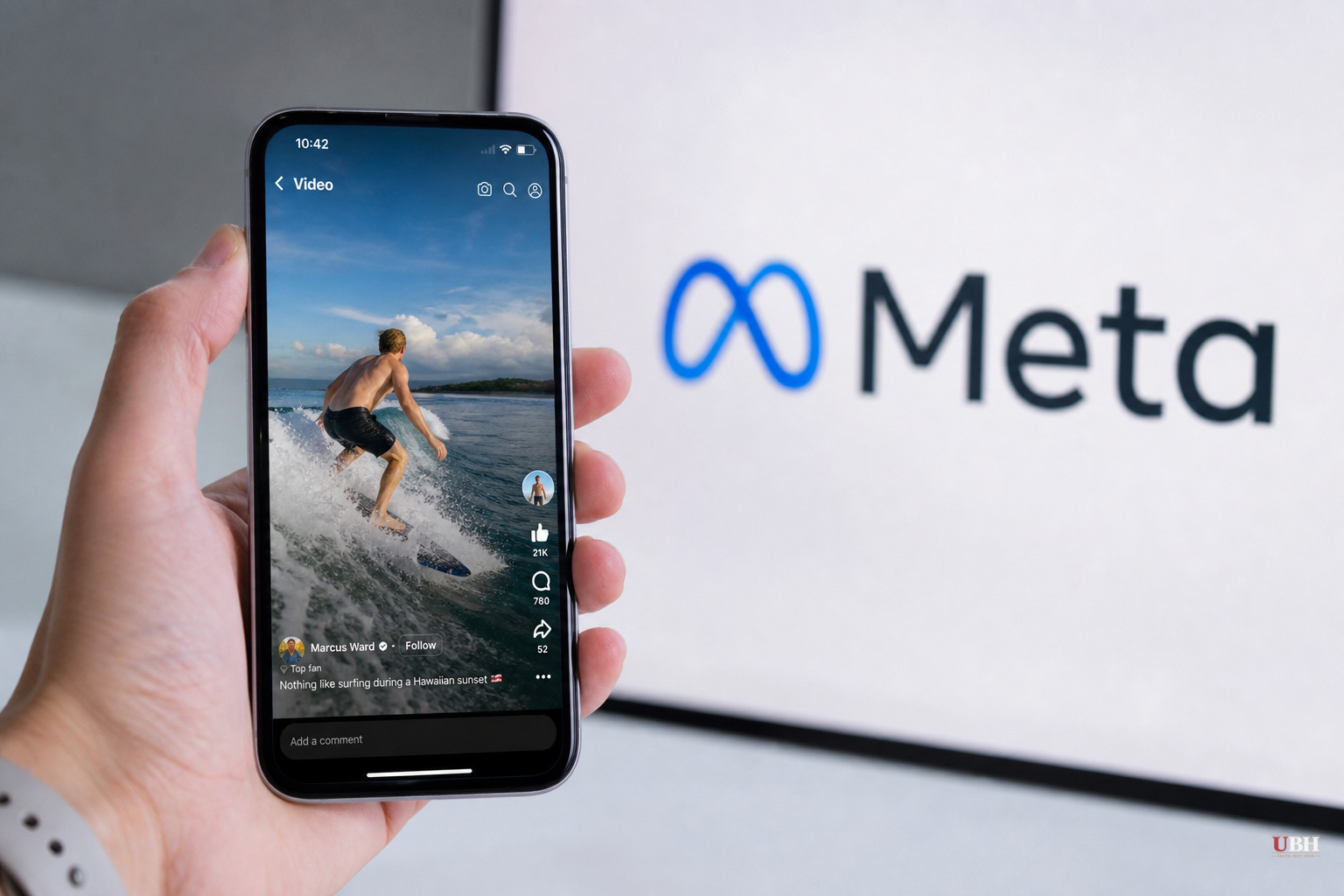
Facebook is rebuilding itself to look a lot more like the app it once claimed to be beating.
Tom Alison, who heads the Facebook app at Meta, announced the platform will start testing a "reimagined experience" later this year, according to The Verge. A subset of users will open the app straight into full-screen video, no feed scrolling required. Sound familiar? That's TikTok's entire interface.
Meta hasn't released screenshots or mockups. The company says the test will roll out first to countries with a strong preference for video content, with a possible U.S. expansion in 2027, per The Verge's reporting.
Why Meta is moving now
The official reasoning from Alison: "video is where conversations are happening, communities are forming, and even commerce is starting to take place." Translation: text posts and photo albums aren't cutting it anymore.
The numbers back up the urgency. Meta's own data show its platforms collectively lost 20 million users in the first quarter of 2026, according to The Verge. Facebook is still the largest social platform on Earth by user count, with YouTube close behind and TikTok not far behind that. TikTok hit 1 billion monthly users just three years after launch, a pace Facebook never matched.
Alison told The Verge back in 2022 that he saw "TikTok chasing Facebook," not the reverse. Four years later, Facebook is copying TikTok's core interface design. The shift amounts to an acknowledgment that the earlier assessment proved wrong or at least aged poorly.
Facebook is raiding everyone's playbook
The full-screen video test is the headline change, but it's one piece of a broader scramble. Facebook recently launched an app called Seller, a standalone tool for Marketplace sellers to track performance, manage listings, and message buyers, functioning essentially as a corporate version of Craigslist, according to The Verge.
Earlier this year Meta rolled out Forum, a dedicated space for Facebook Groups that mirrors how subreddits work on Reddit. Add that to Reels, which Meta launched on Instagram in 2020 specifically to compete with TikTok and is now pushing harder into Facebook itself.
A memo from Alison, reported by RouteNote, lays out the mechanics behind the video push. Reels are becoming the dominant format across both Instagram and Facebook, with the algorithm set to recommend more random Reels content to users and actively push them to share those videos with friends. Facebook Messenger is also being folded directly into the main Facebook app, matching how TikTok and Instagram already handle messaging. Alison's memo states short-form video is currently Meta's "biggest gap" and that the company is prioritizing integrating Reels across Home, Watch, IFR, and Groups.
Alison frames all of this as building "a cleaner and easier to use experience." That's a fair goal. It's also the exact selling point TikTok has used for years to explain why its no-frills, algorithm-first feed keeps people scrolling longer than competitors.
The free verification badge
Separately, Facebook is changing how its blue-check-style verification works. Right now, a verified badge requires a Meta Verified subscription starting at $11.99 a month. Facebook says it will now offer a free badge to users who complete a "simple selfie verification" process, aimed at confirming a profile belongs to a real person rather than a bot or impersonator, according to The Verge.
This move could cut down on fake accounts and catfishing, a problem that has dogged Facebook Marketplace and dating-adjacent groups for years. It also quietly walks back the idea that verification should be a paid perk, which is how Meta pitched it when it launched the subscription model.
What's actually new here and what isn't
None of this is Meta admitting defeat in so many words. Alison's public language is still upbeat, framed around opportunity rather than survival. The pattern is clear: Facebook lost 20 million users in a single quarter, its executive previously insisted TikTok was the copycat, and now Facebook is rebuilding its core app around TikTok's format while also lifting ideas from Reddit and Craigslist.
There's a reasonable defense of this strategy. Companies that refuse to adapt to where users and advertising dollars are moving tend to die, and Meta has survived platform shifts before by copying competitors fast, as it did with Instagram Stories cloning Snapchat in 2016. Copying isn't illegal or even unusual in tech.
What's unresolved is whether it works this time. Meta hasn't said how many users will see the full-screen video test, when exactly the U.S. rollout might happen beyond "potentially next year," or whether the 20-million-user decline stabilizes once these changes land. Those numbers will show up in Meta's future quarterly earnings reports, which is where this story gets its next real test.
Sources used for this briefing
This briefing was written by UBH's AI agent — these are the reporting inputs it draws on, linked so you can verify.


