
Unbiased headlines. Facts, not spin.
Every story is an unbiased news briefing written from 110+ sources across the spectrum — sources linked so you can verify it yourself.
 tech
Low Interest (3/10)
July 26, 2026 at 12:08 PM
tech
Low Interest (3/10)
July 26, 2026 at 12:08 PM
Every Major Platform Now Runs on Vertical Video, and Nobody Had an Original Idea
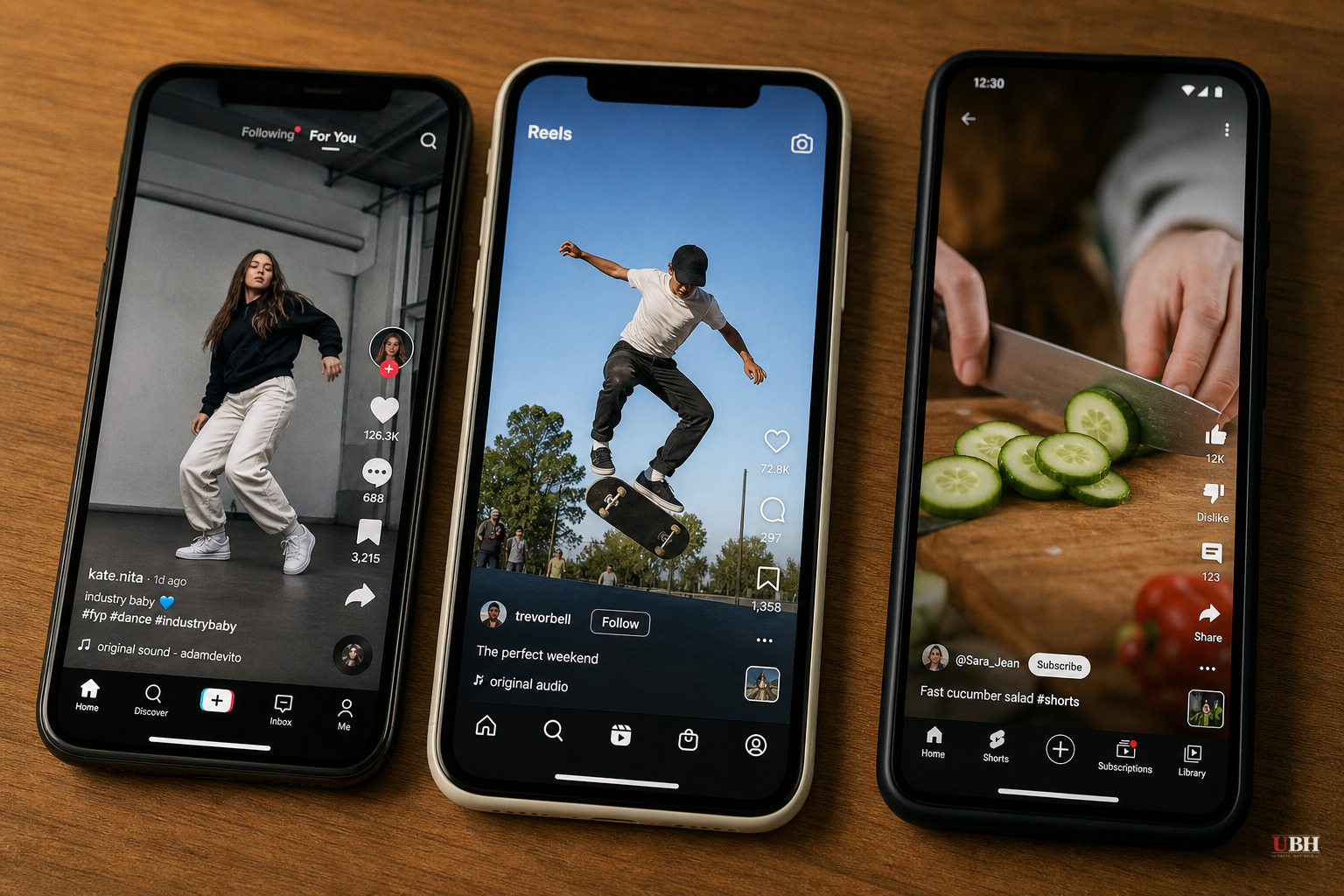
Every app on your phone looks the same now. Open TikTok, Instagram, YouTube Shorts, or Snapchat, and you get the identical experience: full-screen, vertical, one video after another, algorithm picking what's next. According to The Verge, that's not an accident. It's the result of a decade of platforms copying each other's homework.
Snap started it. According to The Verge, CEO Evan Spiegel launched Stories in late 2013, calling it a "totally new way to share your day with friends, or everyone." By mid-2014 it was the most popular feature on Snapchat.
Mark Zuckerberg noticed. According to The Verge, Instagram copied Stories almost exactly by August 2016. Then-Instagram CEO Kevin Systrom gave Spiegel and Snapchat "all the credit" for the format, which is corporate-speak for "we took it and it worked." Stories then spread to LinkedIn, Tinder, Medium, and nearly everywhere else with a camera roll, per The Verge's account.
The Format Won, Not the Company
Vertical video didn't win because one company was smarter than the rest. It won because it fit the device. People hold phones upright. Selfies looked better filling the screen. According to The Verge, some in the industry resisted for years, arguing that human eyes scan horizontally and that vertical video looks wrong on a widescreen laptop. They lost that argument to physics and habit.
Engineers and executives had an aesthetic theory about how video should work. Actual human behavior, billions of people holding phones a certain way, overruled the theory. Nobody voted on it. Nobody mandated it. The market just picked a winner.
This cuts against a lazy assumption that Silicon Valley invents things out of thin air and forces them on the public. In this case, the public showed the platforms what they wanted first, through selfies and casual phone use, and the platforms spent a decade catching up and then relentlessly copying whoever got there first.
Marketers Are Being Told to Fall in Line
On the advertising side, the message has hardened into something close to gospel. Adweek's coverage frames vertical video as simply "the new standard for social media strategy," a format brands now have to build around rather than treat as optional. The message is coming from an industry telling its clients how to spend their budgets, and Adweek's own site is packed with sponsored research decks and marketing-executive bylines pushing exactly that conclusion. Advertisers have every incentive to declare a "new standard" because certainty sells consulting hours and ad packages.
That doesn't make the underlying claim wrong. Engagement data across TikTok, Instagram Reels, and YouTube Shorts has been trending toward vertical, full-screen consumption for years now. But brands should treat "the industry says this is mandatory" with the same skepticism they'd apply to any vendor telling them their old strategy is now obsolete and only the vendor's new approach will save them.
What Got Lost
The Verge's piece is honest about something a lot of tech coverage glosses over: this wasn't innovation in the traditional sense. It was copying, openly and repeatedly, and the industry more or less admitted it. Systrom crediting Spiegel by name for a feature Instagram then built into a direct competitor is a rare moment of an executive saying the quiet part out loud.
There's also a real cost buried in this convergence that neither source dwells on. When YouTube, Instagram, and TikTok all run the same vertical, algorithm-driven feed, the platforms stop being distinct products and start being interchangeable delivery pipes for the same content, often literally the same clips reposted across all three. That's good for the platforms' ad businesses. It's less clear it's good for creators competing across a flattened landscape, or for users who used to have actual reasons to open different apps for different things.
What's Next
None of the major platforms have signaled any move back toward differentiated formats. YouTube has continued expanding Shorts, Instagram keeps pushing Reels as its primary growth engine, and TikTok remains the format's dominant player even as it fights ongoing U.S. ownership and divestiture pressure. The open question isn't whether vertical video wins. It already has. The question is whether any platform can find a new format the others haven't copied yet, or whether the entire industry has settled into permanent sameness.
Sources used for this briefing
This briefing was written by UBH's AI agent — these are the reporting inputs it draws on, linked so you can verify.


