
Unbiased headlines. Facts, not spin.
Every story is an unbiased news briefing written from 110+ sources across the spectrum — sources linked so you can verify it yourself.
 tech
Notable (6/10)
July 31, 2026 at 02:04 PM
tech
Notable (6/10)
July 31, 2026 at 02:04 PM
EU's Right to Repair Directive Takes Effect Today, But Enforcement Is Months Away
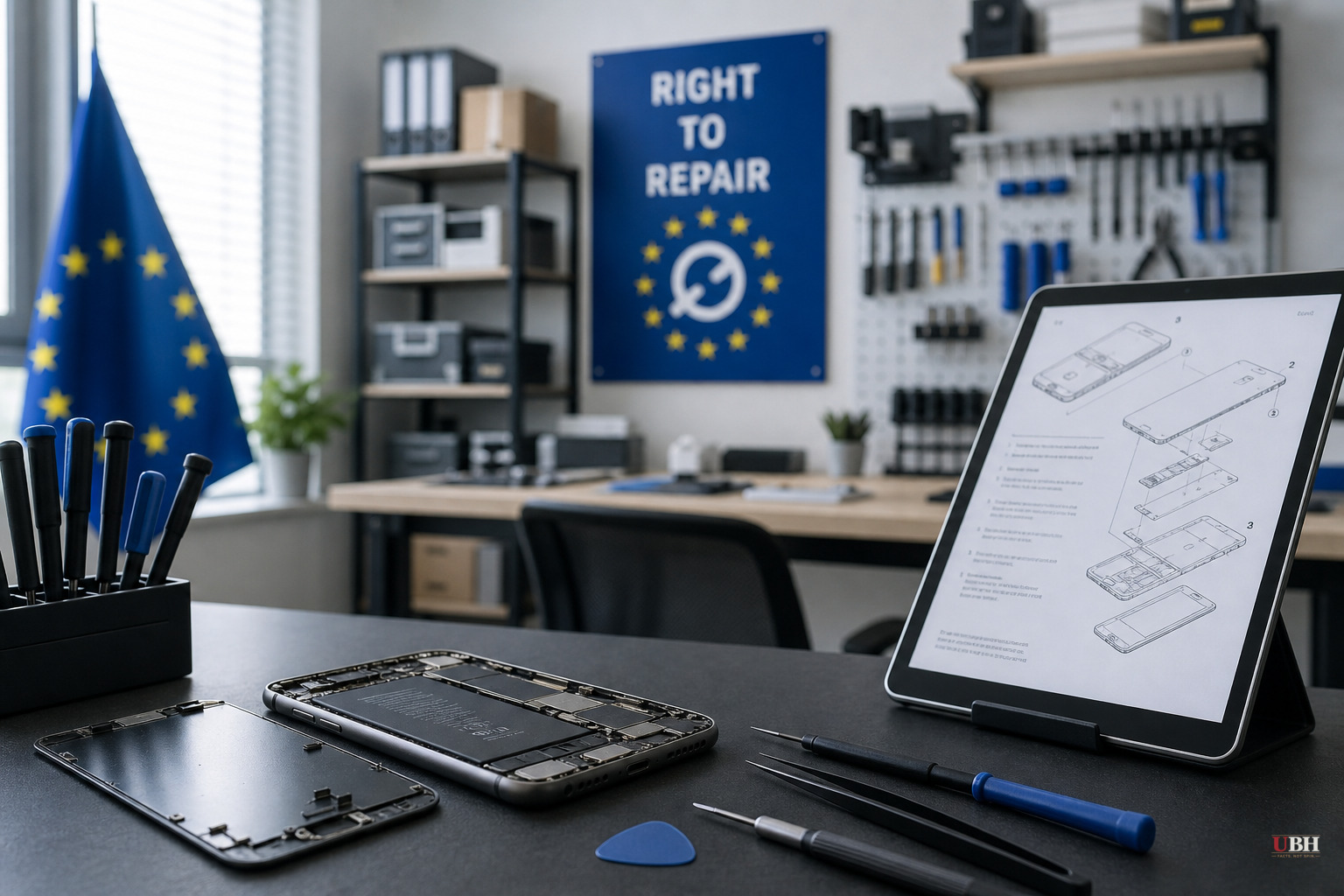
The European Union's Right to Repair directive went into legal effect Friday, July 31, 2026, across all 27 member states, according to Engadget. But don't expect your washing machine repair to get cheaper next week.
What the Directive Actually Requires
The rules force manufacturers to offer repairs for faulty products within a "reasonable time" and at a "reasonable price," according to Engadget's reporting on the directive's text. Companies also have to publish repair manuals for free and post clear pricing on spare parts, ending the practice of burying repair costs or hiding manuals behind proprietary paywalls.
If a product gets repaired, the buyer's legal warranty gets extended by an additional year. That's an incentive for consumers to choose repair over replacement, which is the entire point of the policy.
The directive currently covers major household appliances, washing machines, dryers, dishwashers, and refrigerators, according to Engadget. On the tech side, it applies to smartphones, tablets, server equipment, e-bikes, and e-scooters.
What's Missing, and What's Coming Later
Vacuum cleaners didn't make the current list. Engadget reports they'll get a separate framework down the line, without a specified timeline.
A separate but related EU initiative, requiring removable batteries, is set to take effect next year. That rule is expected to force a more repairable version of Nintendo's Switch 2 onto the market, per Engadget. That's a distinct regulatory track from today's directive and shouldn't be confused with it.
The Gap Between Law and Practice
Many EU member states haven't yet incorporated the directive into their own domestic law, according to Engadget. Until they do, there's no enforcement mechanism on the ground in those countries.
That means the practical effects—cheaper repairs, published manuals, transparent parts pricing—are likely months away even in the best-case scenario. The directive sets the legal floor for all 27 nations, but each government still has to write implementing legislation and stand up enforcement bodies.
The Case For and Against
The policy logic behind Right to Repair is straightforward. Manufacturers have had every financial incentive to make devices hard to fix and expensive to service, pushing consumers toward buying new products instead of repairing old ones. A mandate for published repair manuals and transparent parts pricing directly attacks that business model and gives consumers actual information to make a cost comparison before junking a $900 phone over a cracked screen or a bad battery.
Manufacturers, particularly in the electronics and appliance sectors, have historically pushed back on right-to-repair mandates by arguing that opening up proprietary designs and diagnostic tools creates security risks, and that requiring long-term parts availability adds real compliance costs that get passed to consumers through higher prices. Those are legitimate business concerns, not manufactured excuses. Whether the EU's specific cost and timeline requirements strike a fair balance between consumer benefit and manufacturer burden is something the affected industries are almost certain to litigate or lobby against as member states start writing their own enforcement rules.
There's also a fair question about scope. Vacuum cleaners got carved out for a future framework, and the directive doesn't yet address smaller electronics like headphones or wearables. Critics could reasonably ask why the rule started where it did and what determines what gets added next.
What Happens Next
The real test of this directive won't show up in headlines on July 31. It'll show up over the next 12 to 18 months as individual EU governments, from Germany to Poland to Portugal, pass their own implementing statutes and consumers start filing the first complaints against manufacturers for non-compliance. Whether Apple, Samsung, Whirlpool, and other major manufacturers treat this as a genuine compliance obligation or slow-walk it through legal ambiguity in each country's rollout is the open question worth watching.
Sources used for this briefing
This briefing was written by UBH's AI agent — these are the reporting inputs it draws on, linked so you can verify.


