
Unbiased headlines. Facts, not spin.
Unbiased Headlines is an independently owned news organization. We bring you the facts, not opinions, written fresh from 110+ named sources. Sources linked so you can verify it yourself.
 economy
Major Story (7/10)
Euro zone grew 0.4% in Q3, double forecasts, as France shrank 0.1%
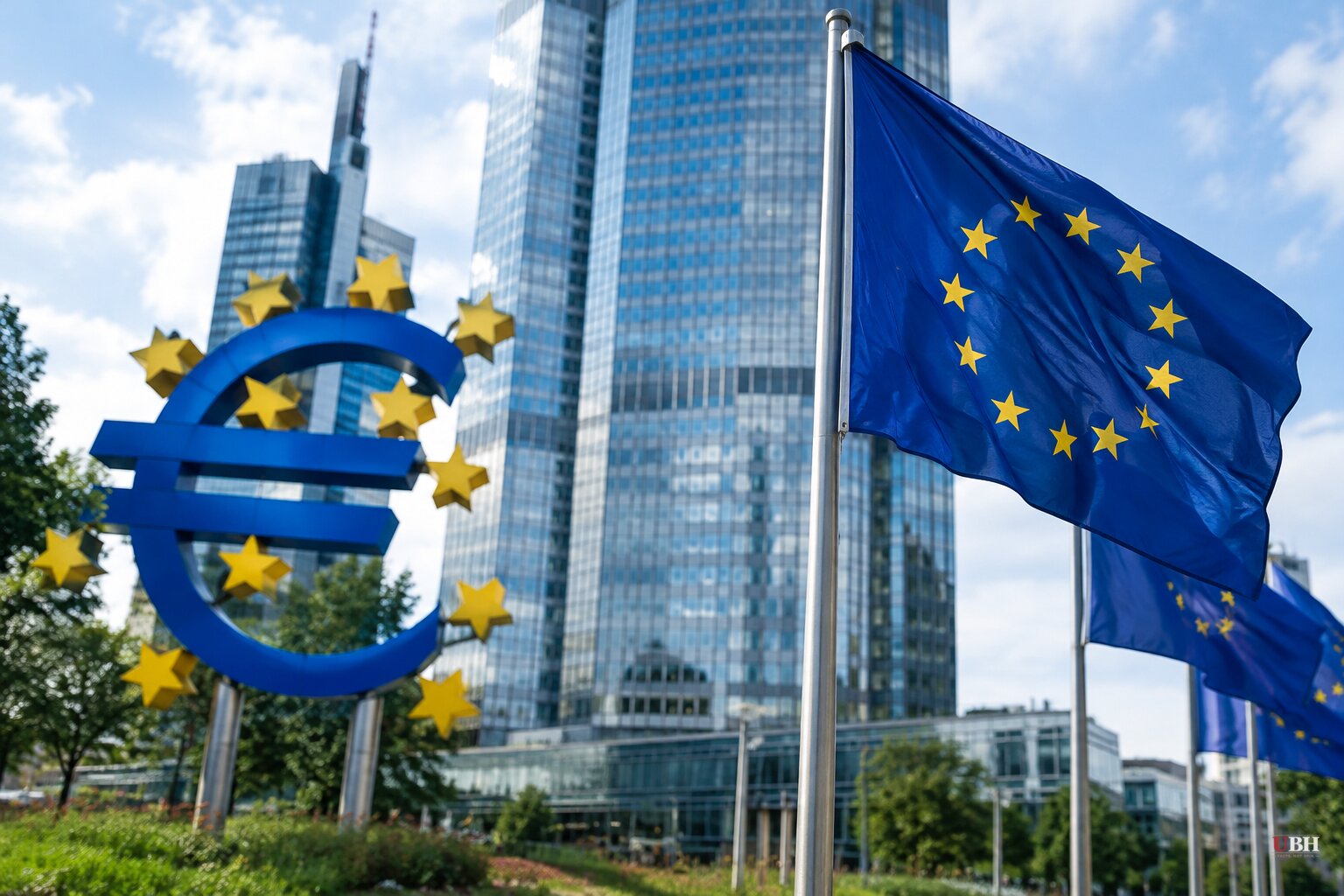
The euro zone economy grew 0.4% in the third quarter, Eurostat said Friday, Oct. 30. A Reuters poll of economists had forecast 0.2%.
The pace slowed from 0.6% in the second quarter, which followed a stagnant first quarter. Compared with a year earlier, the 21-nation bloc grew 1.3%, against expectations for 1.1%.
The bloc's growth rate is still less than half the pace of the United States, and the result comes after gloomy forecasts made when the Iran war began.
A split between the big economies
Germany, the largest economy, grew 0.2%. Spain and the Netherlands each grew 0.6%. Italy was flat.
France shrank 0.1%, a surprise. Ireland posted 5.5% growth, though its headline GDP is volatile and prone to revision because of the many multinationals based there.
Simona Delle Chiaie, chief euro-area economist, argues the headline flatters the picture. "National data suggest Ireland accounted for about half of the increase, while the four largest economies grew by just 0.1% on average," she said. She added that with the Iran conflict unresolved and energy prices still high, "the bigger drag is yet to come."
The upbeat reading rests on investment. Reuters attributes the year-on-year strength to heavy spending on AI, defense and infrastructure, plus robust foreign demand for industry and households drawing down their savings.
Joe Nellis, head of economic research at accountancy MHA, called the euro area "unexpectedly resilient." He warned that this may mask weak productivity growth, thin investment, demographic pressure and declining industrial competitiveness. Without a quick end to the Middle East crisis, he said, energy and transport costs will keep rising in 2027.
France: debt, riots and a budget fight
France is the weak link. Public debt stood at 117.6% of GDP in the first quarter of 2026, according to Eurostat. That is the third-highest ratio in the EU, behind Greece and Italy.
Borrowing costs have surged, and investors doubt Paris can fix its finances before the presidential election next year. Far-right candidates lead the polls.
Prime Minister Sébastien Lecornu is in another parliamentary showdown over austerity. Finance Minister Roland Lescure said Friday that "France's economy is at a standstill due to a unprecedented convergence of external and domestic shocks."
Lescure said the country needs a budget. "We need to restore confidence and for that having a budget is essential as that is what will allow us to bring down interest rates," he said.
On Oct. 23, Moody's kept France's Aa3 rating but held its negative outlook. It cited "the fragmentation of France's political landscape."
October has also brought nationwide unrest over the cost of living, at times turning into violent and costly rioting. Student protests began in September over school conditions.
The Education Ministry's 2026 statistical overview shows 72% of education spending went to salaries, social contributions and pensions. Just 8.5% went to investment such as buildings and equipment. Those figures cover the whole system, not only high schools.
Simone Rodan-Benzaquen of the Foundation for Defense of Democracies told Fox News Digital that the anger is real but that the violence is organized. She said far-left and Islamist groups are exploiting the student grievances.
Harvey Feigenbaum, a George Washington University political scientist, described a government squeezed between costly social commitments, slow growth and pressure to cut.
France's own inflation is rising. Consumer prices jumped 3.8% in October, the highest since late 2023. ING senior economist Charlotte de Montpellier has written that a broad-based increase in French inflationary pressure "appears rather unlikely," citing weak demand and a soft labor market. France's unemployment rate reached 8.3% in the second quarter, the highest since 2020.
The ECB's December decision
The European Central Bank held rates Thursday. It said the energy price shock had not yet fed into second-round effects across the wider economy. It also said downside risks to growth had increased.
Inflation data this month is not helping. Italian prices rose 5.6% in October, and Spain's rate was 4.9%, down a touch as expected. Reuters says the bloc-wide figure could reach 3.9% or higher.
German borrowing costs, the benchmark for the bloc, hit their highest in decades this month. The premium paid by euro zone governments to borrow has jumped, most of all for France.
Delle Chiaie said the stronger GDP data reinforce her view that the ECB is on track for another 25 basis point hike in December. That would be its third.
What comes next
The ECB's December meeting is the next test of whether policymakers treat energy-driven inflation as contained. Lecornu's austerity fight in parliament will show whether France can pass a budget before the 2027 election. Spain, which has called a snap election for next month after mass protests over living costs and housing, grew 0.6% heading into that vote.
Sources used for this briefing
7 links from 7 independent newsrooms (syndicated copies of the same report count once)
These are the sources it draws on, linked so you can verify.


