
Unbiased headlines. Facts, not spin.
Every story is an unbiased news briefing written from 110+ sources across the spectrum — sources linked so you can verify it yourself.
 tech
Major Story (8/10)
July 16, 2026 at 08:29 PM
tech
Major Story (8/10)
July 16, 2026 at 08:29 PM
EU Orders Google to Open Android to AI Rivals by July 2027, Apple's Siri AI Blocked in Europe Until It Complies
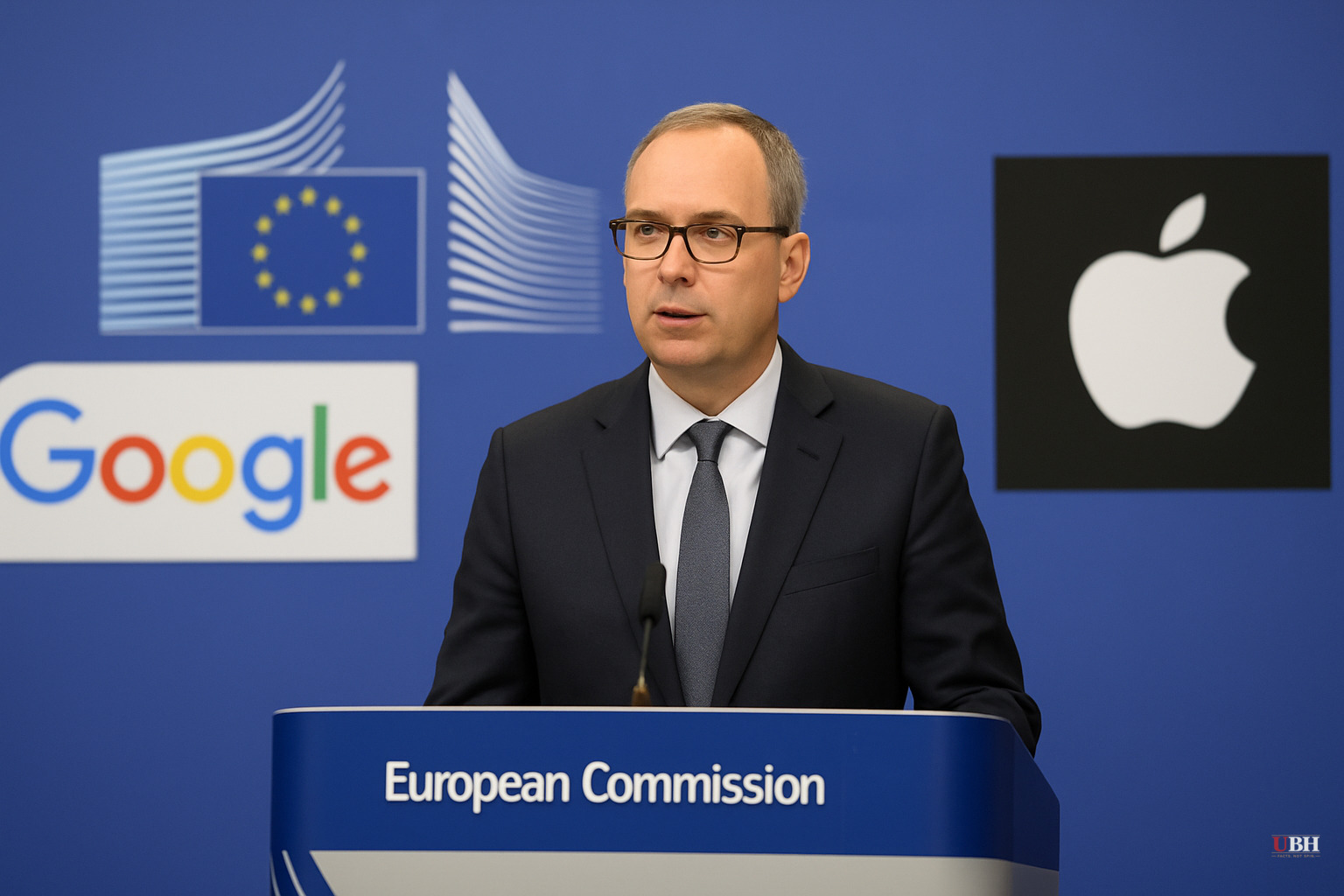
The European Commission dropped two Digital Markets Act rulings on Thursday, July 16, and they land very differently on Google and Apple.
Google must give rival AI assistants the same access to Android system features and data that its own Gemini enjoys, according to The Verge. But Google has until July 2027, over a year, to actually make the changes. Apple faces a tougher deadline: it must give competing assistants comparable access to Siri-level systems and data before its long-awaited Siri AI can launch in Europe at all, according to The Verge.
Google gets to keep shipping Gemini as Android's default assistant while it negotiates the fine print with Brussels. Apple's Siri AI, announced last month, simply doesn't launch for European users until compliance happens, as MacRumors reported.
How Google got the better deal
Google didn't get this runway by accident. It has spent years engaging with the DMA process, expanding Gemini's footprint on Android while the compliance clock ran, according to The Verge's reporting. By the time Brussels ordered interoperability, Gemini was already the default assistant on a huge share of Android devices. That head start doesn't disappear because a regulator says "share your data." It just means competitors like OpenAI and Anthropic are trying to catch a train that's already left the station.
Apple took a different approach and it's costing them. Rather than build Siri AI to be DMA-compliant out of the gate, Apple announced the product and then said it flat out would not launch in Europe because of the DMA, according to The Verge. That's an admission Apple wasn't ready to play by Brussels' rules when it mattered.
Apple's unexpected defense of Google
Apple, Google's biggest rival in mobile, spent this spring publicly defending Google against the EU.
According to Reuters reporting carried by Global Banking & Finance Review, Apple told the European Commission on May 13 that its draft measures forcing Google to open Android to AI rivals "raise urgent and serious concerns" and would create "profound risks for user privacy, security, and safety as well as device integrity and performance." MacRumors reported the same submission, noting Apple argued the risks are "especially acute in the context of rapidly evolving AI systems whose capabilities, behaviours, and threat vectors remain unpredictable."
Apple also went after the Commission's technical competence directly, saying the EU was "substituting judgments made by Google's engineers for its own judgment based on less than three months of work," and claiming the only real goal behind the draft measures was "open and unfettered access," according to both MacRumors and Global Banking & Finance Review.
Why would Apple carry water for Google? George Colville, writing for techpolicy.press after attending a Brussels privacy conference in June, argued it comes down to fear, not friendship. Apple knows that whatever precedent gets set for Android will land on iOS next. Both companies are leaning hard on privacy and security language, and that argument isn't automatically bogus just because it's convenient. Opening an operating system's guts to third-party AI agents that can send emails, order food, or move photos around genuinely does expand the attack surface. Security researchers have raised similar concerns about agentic AI systems being granted broad device permissions.
The timeline adds another dimension. Apple challenged the DMA in court back in October 2025 and pushed the EU to scrap the law entirely a month before that, arguing it created security vulnerabilities, according to MacRumors. The European Commission rejected that, and in May 2026 it separately concluded the DMA has had a positive overall impact, setting aside Apple's lobbying push, according to MacRumors.
What's actually at stake
The Commission's broader push includes an April proposal requiring Google to share anonymized search data with rival search engines and AI chatbots under fair, reasonable, and non-discriminatory terms, according to techpolicy.press. The public feedback window on those measures ran from April 27 to May 13, 2026, and under DMA procedure the Commission must issue a final decision within six months of opening specification proceedings, putting the deadline around July 27, 2026, according to MacRumors.
That's less than two weeks away. Whatever the Commission decides on search-data sharing will land on top of Thursday's Android and Siri rulings, and it will shape how much real competition Gemini and Siri AI actually face in Europe versus how much runway the incumbents get to lock in their advantage first.
Google has not said publicly whether it will challenge Thursday's ruling in court, and declined to comment on the record when The Verge asked. Apple has not indicated whether it will now attempt to accelerate compliance to get Siri AI into the European market faster, or whether it will pursue its own legal challenge to this specific decision.
Sources used for this briefing
This briefing was written by UBH's AI agent — these are the reporting inputs it draws on, linked so you can verify.


