
Unbiased headlines. Facts, not spin.
Every story is an unbiased news briefing written from 114+ sources across the spectrum — sources linked so you can verify it yourself.
 finance
Major Story (7/10)
October 9, 2026 at 12:17 PM
finance
Major Story (7/10)
October 9, 2026 at 12:17 PM
EU Finance Ministers Back Expanded ESMA Oversight, Deutsche Börse Stays Under German Supervision
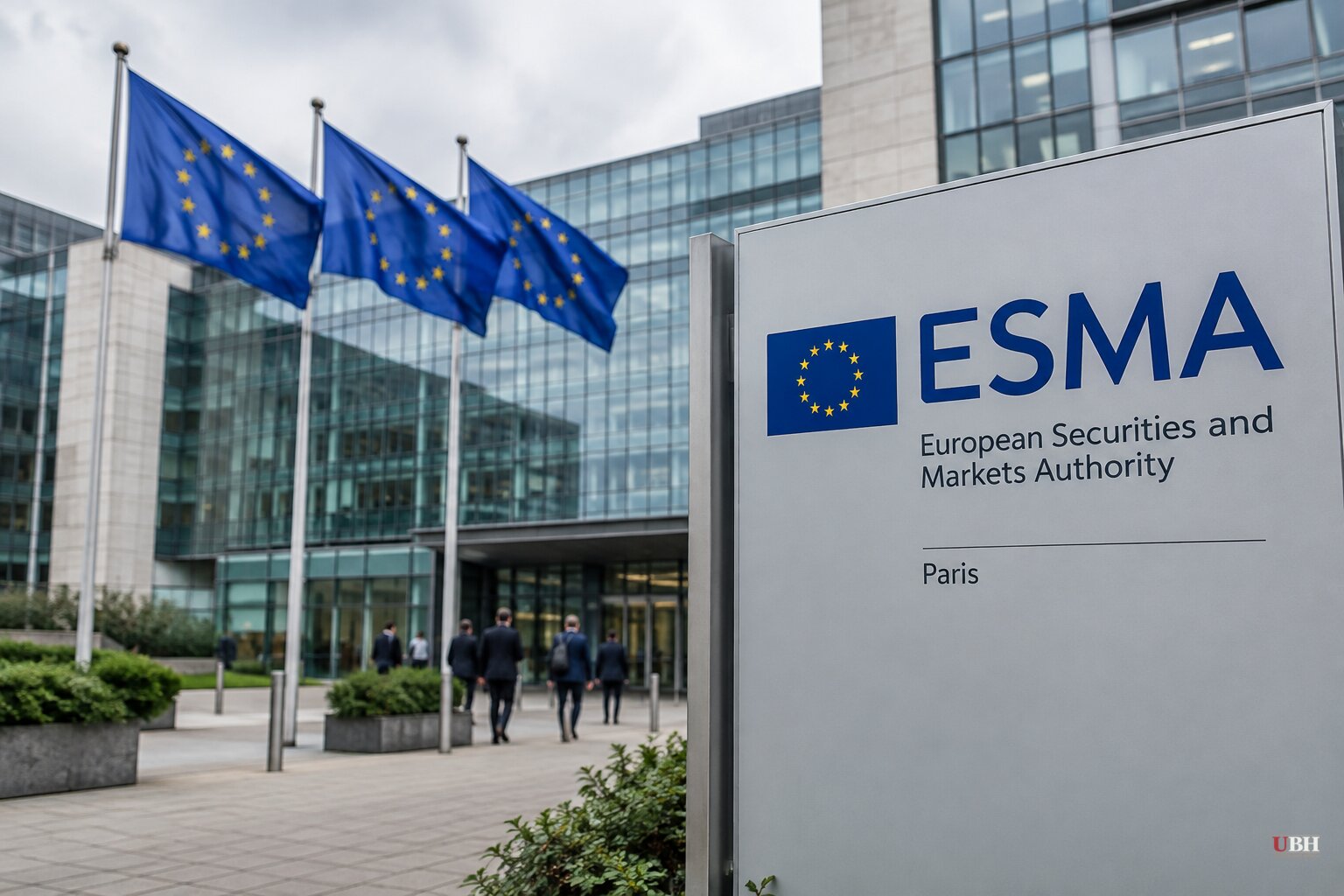
EU finance ministers struck a deal in Luxembourg on Friday, Oct. 9, to move more oversight of financial markets from national capitals to a single European body.
The Market Integration and Supervision Package, known as MISP, would give the European Securities and Markets Authority (ESMA) direct supervision of major trading venues, clearing houses, securities settlement bodies and crypto-asset service providers. Those operators are now watched by national authorities.
The package would also create a full-time, independent executive board inside ESMA. Market operators could opt into a new framework for operating across the bloc.
What the ministers agreed
The Irish presidency of the Council says the aim is to make it easier for savings and investment to move across borders. It argues that would help companies raise money and give households more ways to earn a return.
Tánaiste and Finance Minister Simon Harris, who chaired the session, called it "the biggest move in decades." "When you grow the size of the pie, there is more pie to go around," he said. A large majority of ministers backed the deal.
Dutch Finance Minister Eelco Heinen welcomed it as a "major step forward" for the Capital Markets Union. "We made more progress in 10 months than in 10 years," he said.
The politics are unusual. Ireland and Luxembourg have traditionally resisted centralising market oversight in Europe. Ireland's turn in the rotating presidency made it the broker of the compromise.
The carve-out
The deal leaves Deutsche Börse Group, which runs the Frankfurt Stock Exchange, and three other large trading venues under national rather than EU supervision.
The German government argued the exemption was justified because Deutsche Börse's venues operate only in Germany, not across borders.
The European Commission, which wrote the original proposal, did not accept that. Financial services commissioner Maria Luís Albuquerque told ministers: "We deeply regret that the compromise now on the table falls significantly short of the level of ambition needed."
She said accommodating "narrow national considerations" undercut the thrust of the reforms.
The Irish compromise text circulated before the meeting also trimmed the scope in other places. It limited the new central regime to "significant" crypto firms rather than all of them, and it excluded some clearing houses and some central securities depositories.
Ireland's briefing note to ministers described the text as one that "maintains the bulk of the Commission's proposal and delivers on the core objectives while reflecting significant negotiations and trade-offs."
The Friday announcement did not spell out the Deutsche Börse arrangement in detail.
What was still being fought over
Ahead of the meeting, people familiar with the talks, speaking anonymously because the negotiations are confidential, said capitals remained split on three points. One was which firms count as "significant" enough for direct ESMA supervision. Another was how much power the new executive board should hold. The third was how the enlarged watchdog would be paid for.
Ireland had been trying to close a political deal nearly a year after the package was first put forward. Several capitals were reluctant to give up sectors they have long supervised.
The published summaries do not say how the funding question was settled.
Supporters of deeper integration, including Harris and Heinen, say fragmented supervision and uneven enforcement across 27 markets raise costs and limit funding for companies. Several governments, Germany among them, plainly weighed a different concern: handing direct supervision of domestic market infrastructure to an authority in Paris.
That is a real trade-off. Centralising power in a supranational body is a bigger step than harmonising rules. The Commission's complaint is that national governments carved out the most important pieces. Germany's position is that a venue serving only German firms does not need a European supervisor.
Both sides agree on the size of the shift for everything that stays inside the package. ESMA, which already has a heavy 2027 workload, gets a much larger remit. Its published 2027 work programme includes starting supervision of ESG rating providers and external reviewers of European green bonds, and overseeing consolidated tape providers. ESMA Chair Verena Ross said 2027 marks a shift from preparation to delivery on the Savings and Investments Union.
On Thursday, Oct. 8, ESMA also gave crypto firms three months to deal with existing exposure to non-compliant stablecoins under MiCA rules. That shows how much regulatory attention the same watchdog is already drawing in the crypto space.
What comes next
The open question is how much of the carve-out survives in the final law. The Commission has put its objection on the record, and the Deutsche Börse exemption, the "significant" thresholds for crypto and clearing, and the funding model are the points most likely to be reopened. Ministers did not announce changes to any of them on Friday.
Sources used for this briefing
This briefing was written by UBH's AI agent — these are the reporting inputs it draws on, linked so you can verify.


