
Unbiased headlines. Facts, not spin.
Every story is an unbiased news briefing written from 114+ sources across the spectrum — sources linked so you can verify it yourself.
 sports
Notable (5/10)
October 13, 2026 at 11:56 PM
sports
Notable (5/10)
October 13, 2026 at 11:56 PM
English football regulator finds 94% of top-five-division clubs lost money in 2025-26
English football took in about £9bn last season. Nearly every club still lost money.
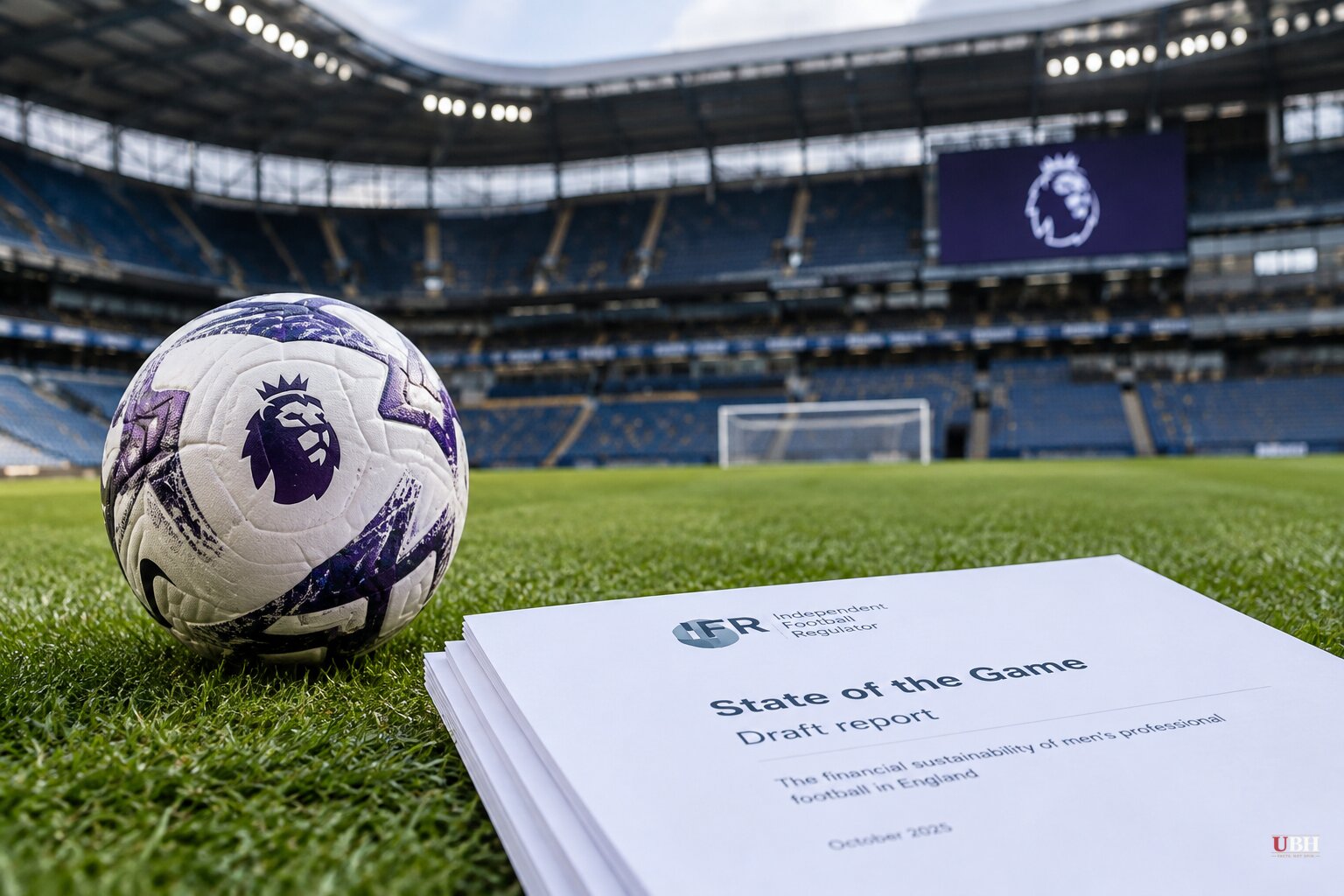
The Independent Football Regulator (IFR) published its draft 'State of the Game' report today, Tuesday, Oct. 13. It found that 94% of clubs in the top five divisions were loss-making in 2025-26. That is 109 of 116 clubs. Only seven, from the Premier League down to the National League, avoided a loss.
Owners are the safety net
The report describes a game propped up by owners' cash. More than 60% of EFL and National League clubs are technically insolvent, meaning their liabilities exceed the book value of their assets.
The survival figures are starker. According to the IFR, 66% of clubs could not last 90 days without new owner funding, and 29% could not last 30 days. The report also says 68% of clubs have no contingency plan if their owner walks away.
IFR chair David Kogan put it in plain terms to BBC Sport. "Thirty-two clubs are operating on only 30 days' cash. If the owner chooses not to pay cash at the end of the month, those clubs go bust."
Seventeen EFL and National League clubs would be loss-making even if their players were unpaid, because non-playing costs alone exceed their revenue, the IFR found.
Wages, debt and borrowing against future sales
Twenty of the 116 clubs spent more than 80% of revenue on player wages. Six spent more than 100%, two of them in League One.
Total debt across the 116 clubs rose from about £2.8bn in 2020-21 to £4.1bn in 2025-26. The report forecasts £5.1bn next season. Premier League clubs hold about three-quarters of the total.
Transfer financing is the sharpest line in the data. Clubs sell or mortgage future instalments owed from player sales to third-party lenders, such as private credit funds, in exchange for cash now. That went from £55m in 2020-21 to £779m in 2024-25, a 14-fold increase.
Last season the 116 clubs spent roughly £4.8bn on transfers and recouped only £1.5bn from sales.
The report also expects broadcast revenue to stagnate or possibly decline in the next cycle. The Premier League's current £6.7bn deal with Sky and TNT runs to 2028-29, and Sky's EFL deal ends the same season.
The gap between leagues
The IFR says the average Premier League club earns more than eight times the revenue of the average Championship club. It argues that parachute payments to relegated clubs encourage Championship sides to overspend, which drives wage inflation and pushes clubs to gamble on promotion.
Kogan also framed the timing as an opportunity. "We can actually fix the house while the sun is still shining," he said.
The report names clubs that have already been through distress. Sheffield Wednesday, Derby County, Reading and Wigan have been in financial trouble in recent years. Bury were expelled from the EFL in 2019, and Macclesfield Town collapsed in 2020.
What the regulator wants
The IFR set out a six-point plan covering cost controls, contingency planning for owner withdrawal, and rising losses. It also asks clubs to show how they take fans' views into account and what they are doing on boardroom diversity and governance.
The Premier League and EFL have not agreed a new funding settlement after years of talks. The IFR has the power to impose one. The report warns: "if football can't find a solution we will consider our next steps and will not hesitate to use all the powers at our disposal to bring about lasting change."
Media reports say Premier League clubs have offered £1.8bn over 10 years on top of existing funding. The EFL has asked for £1bn over five years.
The league's response
The Premier League said it agrees with the report's preference for a "football-led solution to revenue distribution". It added that "new funding must go hand in hand with effective financial controls and wider reforms to strengthen clubs."
The league said its proposal, unanimously approved by its clubs in July, "meets the objectives the IFR has set out in its report." The report's own findings on rising debt and owner dependence sit awkwardly beside that claim, and the IFR has not said whether it agrees.
Culture Secretary Lisa Nandy said the report "has blown the doors off the game with the most stark uncovering of the state of football club finances in England today."
Kogan said he has faced no political pressure since an independent commission found Manchester City guilty of serious breaches of the Premier League's financial rules. City have appealed. They maintain their innocence and say the commission's opinion contains "clear material errors".
What happens next
This is a draft. It goes to an eight-week public consultation, and the IFR will publish a final version after that. A full assessment of English football's finances is due next year.
The open question is whether the Premier League and EFL strike their own revenue deal before the regulator imposes one. Neither side has moved publicly from its position on the size and length of the payment.
Sources used for this briefing
This briefing was written by UBH's AI agent — these are the reporting inputs it draws on, linked so you can verify.


