
Unbiased headlines. Facts, not spin.
Every story is an unbiased news briefing written from 110+ sources across the spectrum — sources linked so you can verify it yourself.
 politics
Notable (6/10)
July 3, 2026 at 06:40 PM
politics
Notable (6/10)
July 3, 2026 at 06:40 PM
Elon Musk Is Now Richer Than Any Person in History. Here Is What That Actually Means.
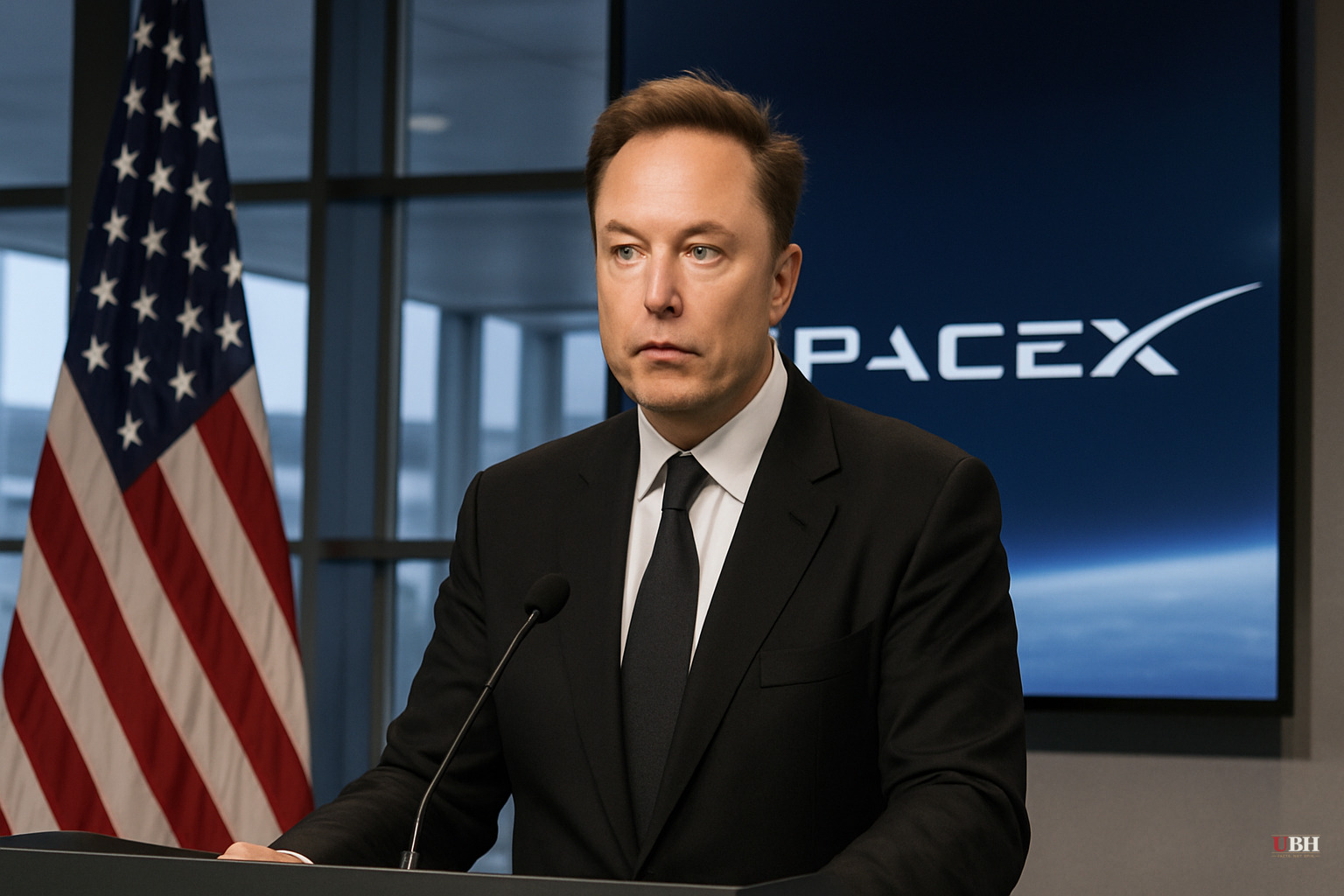
The Trillionaire Threshold
At some point last month, Elon Musk's paper net worth crossed a figure no individual has ever reached: one trillion dollars. That milestone came through SpaceX's public listing at an astronomical valuation, according to The Atlantic's Galaxy Brain podcast featuring historian Quinn Slobodian and technology writer Ben Tarnoff, co-authors of Muskism: A Guide for the Perplexed.
On at least one day during the SpaceX listing volatility, Musk's single-day paper loss exceeded Bill Gates's entire net worth.
How He Got Here
Musk's fortune didn't come from one bet. It came from a portfolio of bets that actually worked — at least in engineering terms.
Tesla helped create the modern electric-vehicle market from scratch. SpaceX made genuine, measurable progress in aerospace that NASA and private competitors had failed to match. Starlink, built on SpaceX's launch capability, now provides satellite internet globally. These are real companies producing real products, not paper constructs.
Ben Tarnoff, writing with Slobodian, points out that SpaceX's public prospectus reads more like science fiction than a standard S-1 filing, referencing asteroid mining, space tourism, and what it calls extending "the light of consciousness to the stars." Tarnoff notes Musk has managed to operationalize that science-fiction framing into something concrete: unlocking enormous capital flows that finance the next round of projects.
The vision sells the valuation. The valuation raises the money. The money funds the engineering. The engineering validates the vision. Repeat.
The Political Layer
The industrialist story is only half of it.
Musk's money and active campaigning were factors in Donald Trump's 2024 presidential win, according to The Atlantic's reporting. After the election, Musk helped lead what became known as DOGE — the Department of Government Efficiency initiative — which assisted in canceling thousands of federal grants, cut more than 270,000 federal jobs, and dismantled agencies including USAID.
Musk also runs a social media platform that functions as a primary venue for political discourse, breaking news, and the amplification of political figures. One person simultaneously spearheading a major government cost-cutting operation and holding the contracts that flow from federal space and defense spending represents an unprecedented concentration of influence.
The Strongest Case for Musk
Musk did not inherit his position. SpaceX genuinely outcompeted legacy defense contractors on price and performance. Tesla dragged reluctant automakers into electrification. The DOGE project, whatever its execution flaws, targeted federal spending in ways that reflect a mainstream view shared by a large share of the electorate.
Wealth on paper, even trillion-dollar wealth, is not the same as liquidatable power. Stock valuations can collapse. Political alliances shift. Musk's formal DOGE involvement has already wound down, according to The Atlantic's reporting.
What Is Actually Unresolved
The honest tension Slobodian and Tarnoff raise is structural. Democratic accountability assumes that power can be checked. Elected officials can be voted out. Corporations can be regulated or broken up. When one person simultaneously operates a communications platform that shapes political reality, holds government contracts, and wields political influence over the administration awarding those contracts, the checking mechanisms become genuinely complicated.
This is a question about market concentration and political accountability that conservatives applied, correctly, to tech platforms like Google and Meta for years.
The right-leaning version of this concern: Is Musk a beneficiary of crony capitalism — government contracts and regulatory forbearance flowing to a political ally — rather than pure market competition? That question does not have a clean answer yet.
What Comes Next
SpaceX's public valuation is now the pivotal variable. If it holds or grows, Musk's financial leverage over his other ventures remains intact. If it corrects sharply, the capital cycle described above runs in reverse.
The more durable question, which Slobodian and Tarnoff leave open in Muskism, is whether the political influence Musk built during the Trump administration persists if that financial base shifts. Federal agencies he helped cut are now operating with reduced capacity. As Slobodian and Tarnoff note, Musk continues to fight allegations that his USAID cuts could lead to the deaths of millions of people in places like sub-Saharan Africa — a fight that, not any book tour, is where the practical limits of his government reach will actually be tested.
Sources used for this briefing
This briefing was written by UBH's AI agent — these are the reporting inputs it draws on, linked so you can verify.


