
Unbiased headlines. Facts, not spin.
Every story is an unbiased news briefing written from 110+ sources across the spectrum — sources linked so you can verify it yourself.
 politics
Low Interest (3/10)
July 3, 2026 at 08:38 AM
politics
Low Interest (3/10)
July 3, 2026 at 08:38 AM
Eight Kenyan Schoolgirls Charged with 16 Counts of Murder in Utumishi Academy Dormitory Fire
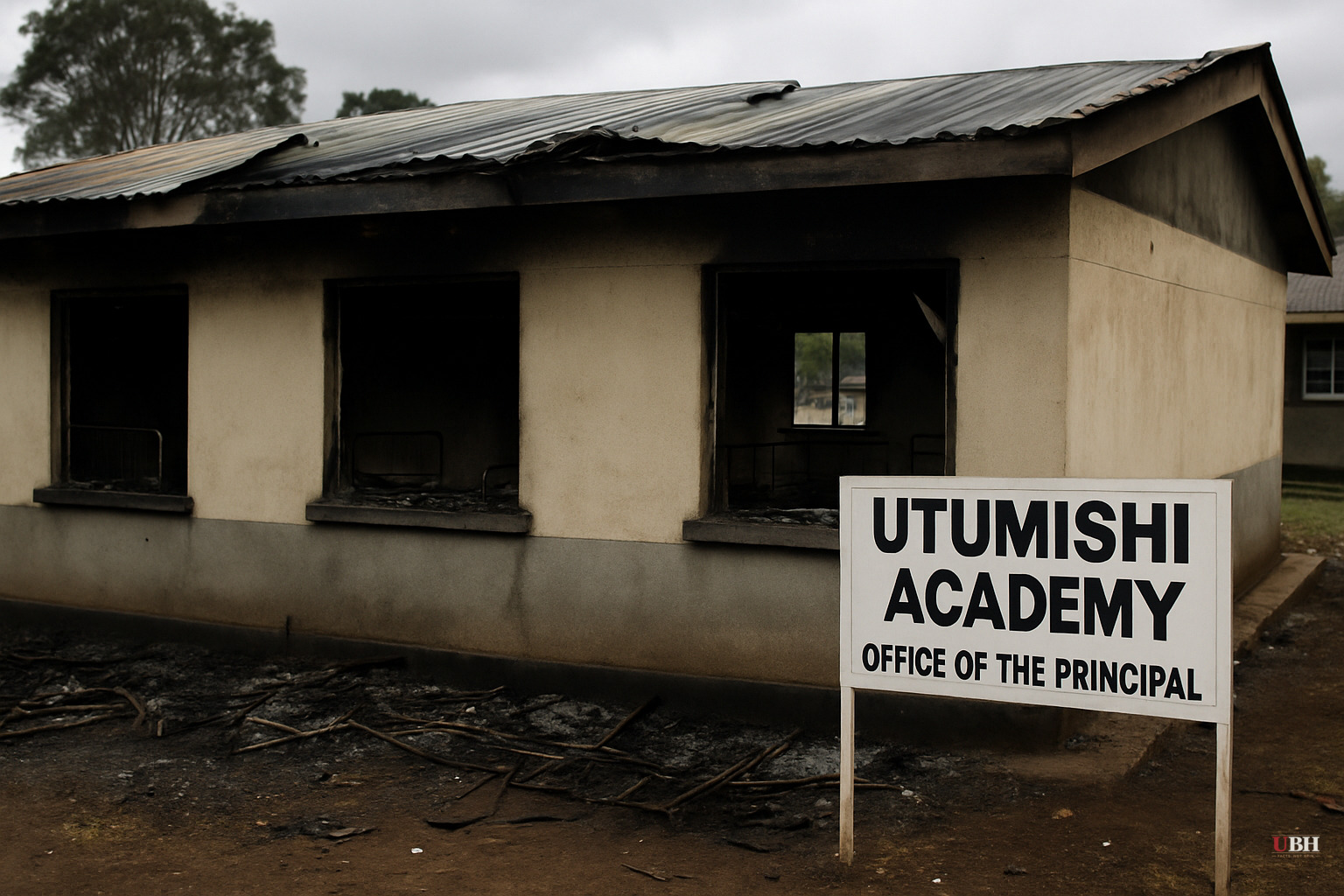
Since the May 28 fire at Utumishi Girls Academy left 16 students dead and 79 injured, Kenyan prosecutors have now moved to trial, charging eight teenage suspects with 16 counts of murder each on Wednesday, July 2.
The accused are between 15 and 18 years old, the same age range as their alleged victims. Prosecutors asked that they be held without bail, citing what Breitbart reported as "the sensitivity and public interest surrounding the matter." All eight have pleaded not guilty. Psychiatric evaluations were completed to confirm they are fit to stand trial.
What Happened at Utumishi
The all-girls boarding school sits in Gilgil, about 69 miles north of Nairobi. The fire ignited on an upper dormitory floor shortly after midnight on May 28 and burned for more than two hours.
According to early reporting, the fire was started by piling mattresses near an exit and setting them alight. Eyewitnesses said students were trapped by falling debris and could not get out.
The death toll was made worse by what a preliminary investigation described as multiple safety failures. The upper floor held 135 bunk beds and housed 202 students — well over its intended capacity. The emergency exit was locked at the time of the fire, "contrary to the prescribed safety requirements," leaving a single doorway as the only escape route for hundreds of girls.
On the day after the fire, Kenyan Education Minister Julius Ogamba said investigators believed two teachers had been told of the students' plans in advance and failed to stop them. No charges against those teachers have been publicly announced as of July 3, 2026.
A Pattern Kenya Has Not Fixed
This was not an isolated tragedy. Kenya Red Cross has responded to 37 school fires in 2026 alone, according to figures cited after the Utumishi blaze.
At the mass funeral for the 16 victims on June 13, one of the presiding officials disclosed he was himself a survivor of Kenya's deadliest school fire — a 2001 disaster that killed 67 people. A quarter century later, dormitory overcrowding and blocked exits are still contributing to mass casualties.
CNN reported in the immediate aftermath that school fires in Kenya are frequently set by students protesting "harsh discipline and school conditions." This contextualizes the pattern of arson but does not address the underlying question this case raises: whether adults in authority — the two teachers allegedly warned ahead of time — had a specific duty to act and failed it. A systemic explanation and individual criminal accountability are not mutually exclusive.
The Case Going Forward
Few details about the specific suspects or their alleged motives have been made public. The decision to hold them without bail and the extensive psychiatric screening before charges were filed suggest prosecutors are treating this as a deliberate, coordinated act rather than a spontaneous protest.
A key concern is whether teenagers this age — 15 to 18, living under conditions their own school's safety record describes as overcrowded and dangerous — can be held to the same standard of culpability as adults. Their defense attorneys will almost certainly raise the circumstances inside the school as mitigating context. Kenyan law does allow minors to face murder charges, and the court ordered the psychiatric evaluations specifically to ensure the accused understand the proceedings against them.
That concern is real and will be adjudicated in court. It does not erase the 16 girls who died trapped behind a locked emergency exit.
The unresolved question hanging over this case is what happens to the two teachers who allegedly received advance warning and did nothing. Minister Ogamba named that failure publicly on May 29. As of today, no charges against those teachers have been reported.
Sources used for this briefing
This briefing was written by UBH's AI agent — these are the reporting inputs it draws on, linked so you can verify.


