
Unbiased headlines. Facts, not spin.
Every story is an unbiased news briefing written from 110+ sources across the spectrum — sources linked so you can verify it yourself.
 politics
Notable (5/10)
July 27, 2026 at 08:13 PM
politics
Notable (5/10)
July 27, 2026 at 08:13 PM
Egypt Jails Christian Convert on Terror Charges While US Sends It $1.3 Billion a Year
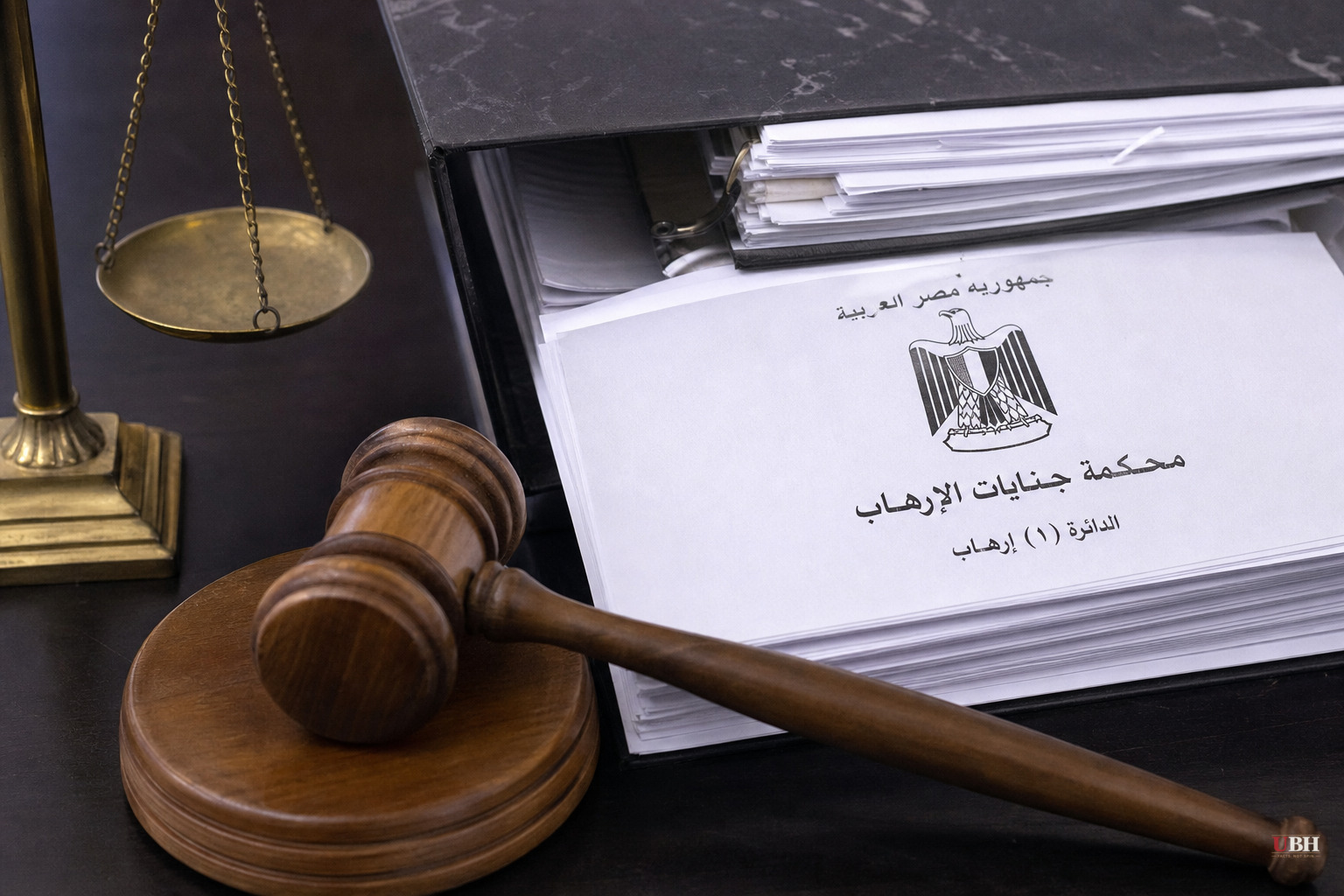
Egypt takes $1.3 billion a year from American taxpayers. Meanwhile a man is sitting in an Egyptian prison, facing a terrorism court, because he stopped being Muslim.
Said Mansour Rezk Abdelrazek converted from Islam to Christianity in 2016. Since then, according to Raymond Ibrahim, an expert on Christians in the Muslim world writing for the Gatestone Institute, Abdelrazek has endured years of harassment, detention, and abuse. On April 13, prosecutors referred his case to a terrorism court. His lawyers were denied access to the case file. Ibrahim reports Abdelrazek remains imprisoned, with advocates alleging torture, physical abuse, denial of adequate medical care, and repeated postponements of his trial.
Not a terrorism charge for violence. A terrorism court for changing his religion.
Attacks on Churches Keep Coming
This isn't an isolated case. The Egyptian Initiative for Personal Rights, a human rights group, reported that a mob threw stones at a church in Upper Egypt on July 8. People were injured. The building and a priest's car were damaged.
Days later, a group of men attacked Father Matta Roushdy, a 49-year-old priest at the Virgin Mary and Saint Abanoub Coptic Orthodox Church in Dahab, in Egypt's South Sinai Governorate.
These aren't rumors from an anonymous blog. These are documented incidents from a rights organization operating inside Egypt, tracking a pattern that Coptic Christians say has gone on for years.
What Washington Is Saying, and Not Doing
A State Department spokesperson told Fox News Digital that President Trump has said "America will always defend the right of every person to live out their faith openly, freely, and without fear." The spokesperson added that "religious freedom is a fundamental American value" and that the U.S. wants "all others to enjoy the same freedom, protection, and benefits."
Fine words. But there's a gap between the statement and the check. Egypt still receives $1.3 billion annually in U.S. assistance. There's no indication in current State Department messaging that this aid is tied to progress on the Abdelrazek case, the church attack, or the assault on Father Roushdy.
But it doesn't change what's happening to Egypt's Coptic Christian minority. As Dalia Ziade, an Egyptian Middle East scholar and research fellow at The Institute for the Study of Global Antisemitism and Policy, told Fox News Digital, "These cases represent only a small fraction of what Coptic Christians endure in Egypt every day. We are speaking about a population of more than 20 million Egyptians. On paper, they are labeled a minority. In reality, they are at the essence of Egyptian identity."
A Small Sign of Progress
Coptic Solidarity, an advocacy group, reported last week what it called a breakthrough regarding longstanding discrimination against Coptic athletes in Egyptian soccer, involving an investigation by Egypt's Ministry of Youth and Sports into a coach at Alexandria's Al-Ittihad Club accused of excluding a junior player, Makari Younan, over his Christian name. It's the kind of incremental win that groups tracking Coptic issues in Egypt say matters, even if it doesn't touch the bigger problems around apostasy and blasphemy enforcement.
A soccer win on one hand stands against a man facing a terrorism court for his faith on the other. The contrast shows where the real leverage points are and where they aren't.
What's Actually Unresolved
Abdelrazek's trial has faced repeated postponements, according to Ibrahim's reporting. No U.S. official has publicly linked continued aid to Egypt to resolution of his case or to accountability for the mob attack on the church or the assault on Father Roushdy. The Egyptian government has not issued a public response addressed directly in these reports.
The open question is simple: does "religious freedom is a fundamental American value," as the State Department put it, translate into any actual condition on $1.3 billion a year? So far, nothing suggests it does.
If Abdelrazek's terrorism court proceeding moves forward, it will be one of the clearest tests yet of whether Egypt treats religious conversion as a crime, and whether that changes anything about how Washington writes the check.
Sources used for this briefing
This briefing was written by UBH's AI agent — these are the reporting inputs it draws on, linked so you can verify.


