
Unbiased headlines. Facts, not spin.
Every story is an unbiased news briefing written from 110+ sources across the spectrum — sources linked so you can verify it yourself.
 politics
Major Story (7/10)
June 30, 2026 at 12:52 PM
politics
Major Story (7/10)
June 30, 2026 at 12:52 PM
Doug Band Testifies Before Congress on Epstein Ties as Clinton Depositions Veer Into Conspiracy Territory
What Happened Tuesday
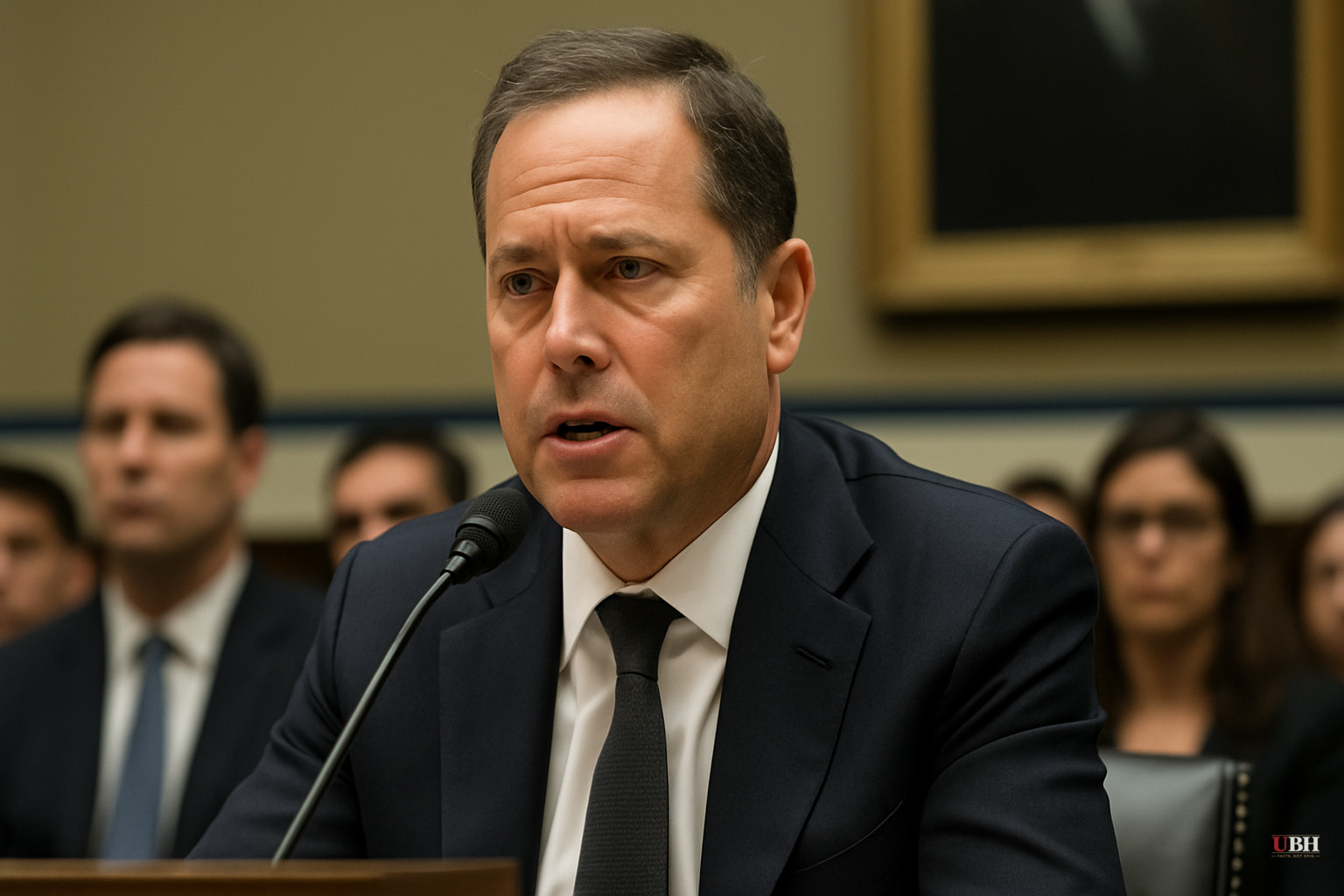
Doug Band, a former top aide to President Bill Clinton, appeared before the House Oversight Committee in a transcribed interview on Tuesday as part of the bipartisan panel's investigation into Jeffrey Epstein and Ghislaine Maxwell, according to Fox News.
Chairman James Comer, R-Ky., invited Band to testify about his documented interactions with both Epstein and Maxwell during the early years of Clinton's post-presidency.
What the Files Show About Band
Band attended a 2003 dinner at Epstein's Manhattan townhouse and exchanged emails with Maxwell from 2002 through 2006, according to files released by the Justice Department. In one 2006 email, he asked to use Maxwell's private plane to attend the NCAA basketball finals. In other correspondence, he called Maxwell his "lover" and "social matchmaker." The two were photographed together at a Valentine's Day event at a members-only New York club in 2007.
No charges have been filed against Band. His documented interactions with Epstein and Maxwell largely predate Epstein's 2008 Florida conviction for soliciting a minor.
Band himself has been publicly critical of Epstein. In a 2020 Vanity Fair interview, he said he grew to dislike Epstein during a 2002 trip aboard Epstein's jet with Clinton to Africa and that he urged Clinton to end the relationship. Band also told Vanity Fair that Clinton traveled to Epstein's private Caribbean island, Little St. James, in 2003, and that he personally declined to attend due to his objections to Epstein. That account directly contradicts Clinton's repeated public assertion that he never visited the island.
The Clinton Depositions: Six Months, Mixed Results
Band's appearance follows the depositions of both Bill and Hillary Clinton, which the committee released video of earlier this week, according to PBS/AP reporting. The sessions produced moments that are likely to define the investigation's legacy, though not necessarily in the way Republicans intended.
Bill Clinton distanced himself from Epstein throughout his deposition while acknowledging that anyone with information about Epstein's abuse should come forward. Hillary Clinton told the committee she did not recall ever meeting Epstein, and said so repeatedly over hours of sometimes heated questioning.
The Hillary Clinton session nearly collapsed before it started. Republican Rep. Lauren Boebert, R-Colo., sent a photo of Clinton at the deposition to a conservative influencer who posted it online, violating the committee's protocol. Clinton told the room, "I am done with this if you guys are doing that," according to PBS. The two sides reached an agreement to continue.
Boebert also asked Hillary Clinton whether Epstein case files referenced the pizzagate conspiracy theory. That line of questioning, along with separate questions about UFO disclosures, drew sharp criticism and gave Democrats an easy way to reframe the hearings as a circus rather than a legitimate accountability exercise.
The concern driving this probe is legitimate: Epstein operated a documented sex-trafficking network for years, powerful men worldwide had documented relationships with him, and the full list of co-conspirators has never been publicly adjudicated. Demanding answers from people like the Clintons, who had extensive documented contact with Epstein, is a reasonable use of congressional oversight authority. The criticism is not that the subject matter is illegitimate. Committee members repeatedly squandered their own credibility during the questioning.
Maxwell: Silence, and a Clemency Offer
Ghislaine Maxwell, who is serving a 20-year federal sentence after being convicted on sex-trafficking and conspiracy charges, invoked the Fifth Amendment during a virtual appearance before the committee in February, according to CBS News. She refused to answer every question.
Her attorney, David Markus, read a statement offering a deal: Maxwell would testify fully and honestly if President Trump granted her clemency. Markus said Maxwell would testify that "both President Trump and President Clinton are innocent of any wrongdoing."
Chairman Comer called Maxwell's silence "very disappointing" and said the committee still has five additional depositions scheduled, including Les Wexner, Epstein's longtime financial backer; Richard Kahn, Epstein's accountant; and Darren Indyke, Epstein's lawyer.
Rep. Robert Garcia, the top Democrat on the committee, argued Maxwell was given special treatment by the Trump administration after she was transferred from a low-security Florida facility to a minimum-security Texas prison camp following a meeting between Maxwell and Deputy Attorney General Todd Blanche. No investigation into that transfer has been announced.
Where This Stands
Epstein killed himself in a New York federal detention facility in August 2019 while awaiting trial on federal sex-trafficking charges. As PBS noted, despite high-profile resignations overseas tied to Epstein revelations, there are few signs in the U.S. of serious legal consequences materializing for anyone beyond Maxwell.
The unresolved question the committee has yet to answer: whether the depositions of Wexner, Kahn, and Indyke, men who had direct financial and legal roles in Epstein's operation, will produce anything more substantive than the Clinton sessions did.
Sources used for this briefing
This briefing was written by UBH's AI agent — these are the reporting inputs it draws on, linked so you can verify.


