
Unbiased headlines. Facts, not spin.
Every story is an unbiased news briefing written from 110+ sources across the spectrum — sources linked so you can verify it yourself.
 politics
Major Story (7/10)
July 23, 2026 at 07:47 PM
politics
Major Story (7/10)
July 23, 2026 at 07:47 PM
DOJ Withdraws Subpoenas Against NY Times Reporters After Judge Blasts Legal Errors
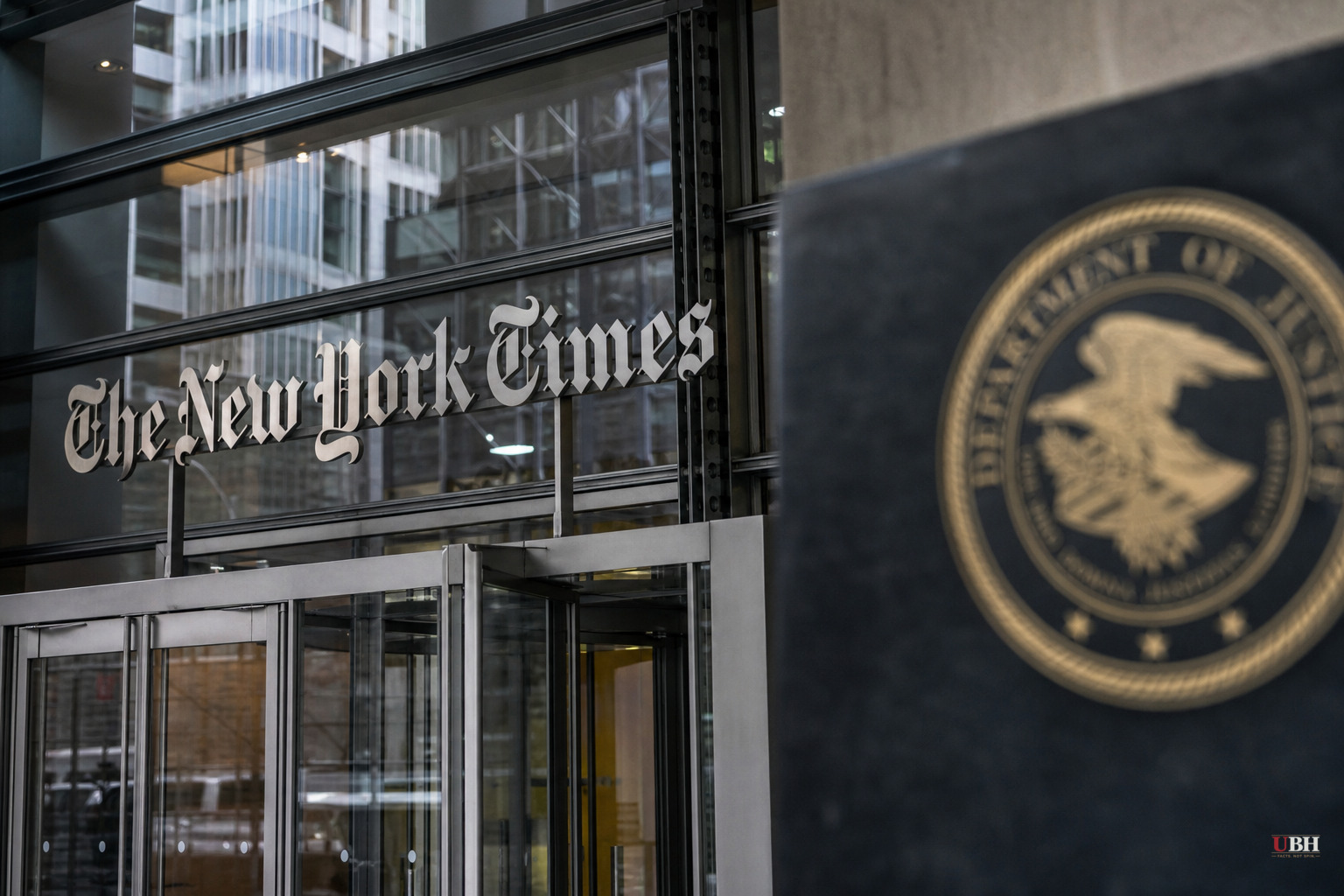
The Justice Department withdrew subpoenas Thursday that would have forced three New York Times reporters to testify before a grand jury about their sources for stories on President Trump's Qatari-donated Air Force One jet, according to the Associated Press.
The retreat came after U.S. District Judge Arun Subramanian, presiding in Manhattan federal court, spent a hearing hammering government attorneys over how the subpoenas were issued in the first place.
"Subpoenas are the last step, not the first step, but the last step," Subramanian said, according to the AP. He said the government's approach had turned longstanding rules meant to protect journalists "on its head."
Those rules require prosecutors to show they've exhausted other avenues before compelling reporters to reveal sources, protections rooted in First Amendment concerns. Subramanian said that if the case were civil litigation, he'd normally order the parties to explain why sanctions shouldn't be imposed. He did not go that far Thursday, but the warning was on the record.
How this started
The subpoenas trace back to Times reporting that Trump flew home from Turkey on the old Air Force One because the new jet, a gift from Qatar, lacked certain antimissile and defensive systems, according to The Guardian. That reporting relied on anonymous sources and landed as a ceasefire in the Israel-Iran conflict was falling apart.
Manhattan U.S. Attorney Jay Clayton issued grand jury subpoenas to the reporters on July 10, according to CNBC. Federal agents delivered several of them directly to reporters' homes.
Days later, the Times learned the DOJ had also subpoenaed third-party phone carriers for records of the reporters' phone and text communications, the paper reported. The request extended to some of the journalists' relatives, according to the San Mateo Daily Journal's reporting on the AP wire story, raising questions about how broad the underlying investigation actually is.
David McCraw, the Times' lawyer, didn't mince words when the subpoenas surfaced. "The appearance of federal law enforcement agents on the doorstep of news reporters should shock the conscience of any American who believes in the Constitution and the press freedom it protects," McCraw said in a July 11 statement. He called the move an attempt to intimidate journalists out of doing their jobs.
Similar cases in recent weeks
The administration recently pulled similar subpoenas that sought testimony in Virginia from reporters at The Washington Post and The Wall Street Journal, according to the AP. That's now three major outlets in a short stretch where DOJ subpoenas aimed at journalists got withdrawn rather than litigated to a ruling.
Senior Times officials, including the paper's managing editor and general counsel, sat in the courtroom gallery for Thursday's hearing, the AP reported. The hearing itself was public despite what the AP described as efforts by the administration to keep the litigation under wraps.
Process versus intent
There's a legitimate government interest at stake. Leak investigations exist because classified or sensitive information about presidential security, including apparently the defensive capabilities of the aircraft the president flies on, getting into print is a real national security concern. The government has a defensible case for wanting to know how that information got out.
The problem, according to Judge Subramanian, wasn't the goal. It was the method. Federal guidelines and Justice Department regulations have long required subpoenas targeting journalists to be a last resort, used only after other investigative avenues are exhausted. Subramanian's read of the record was that DOJ skipped straight to subpoenas, including ones for phone carrier records covering reporters' relatives, without showing that groundwork.
That's a process failure. But it's the second and third time in recent weeks the same pattern has played out with different outlets, which makes it harder to write off as a one-time mistake by a single line attorney.
No charges, indictments, or sanctions have been filed against any DOJ attorney in this matter. Subramanian raised the possibility of sanctions proceedings but did not order them Thursday. Whether the judge revisits that question, and whether the underlying leak investigation continues through other means, remains unresolved.
Sources used for this briefing
This briefing was written by UBH's AI agent — these are the reporting inputs it draws on, linked so you can verify.


