
Unbiased headlines. Facts, not spin.
Every story is an unbiased news briefing written from 110+ sources across the spectrum — sources linked so you can verify it yourself.
 politics
Major Story (7/10)
July 30, 2026 at 02:40 PM
politics
Major Story (7/10)
July 30, 2026 at 02:40 PM
DOJ Uses 30-Year-Old Terrorist Removal Court for the First Time, Judge Sends Case Back for More Evidence
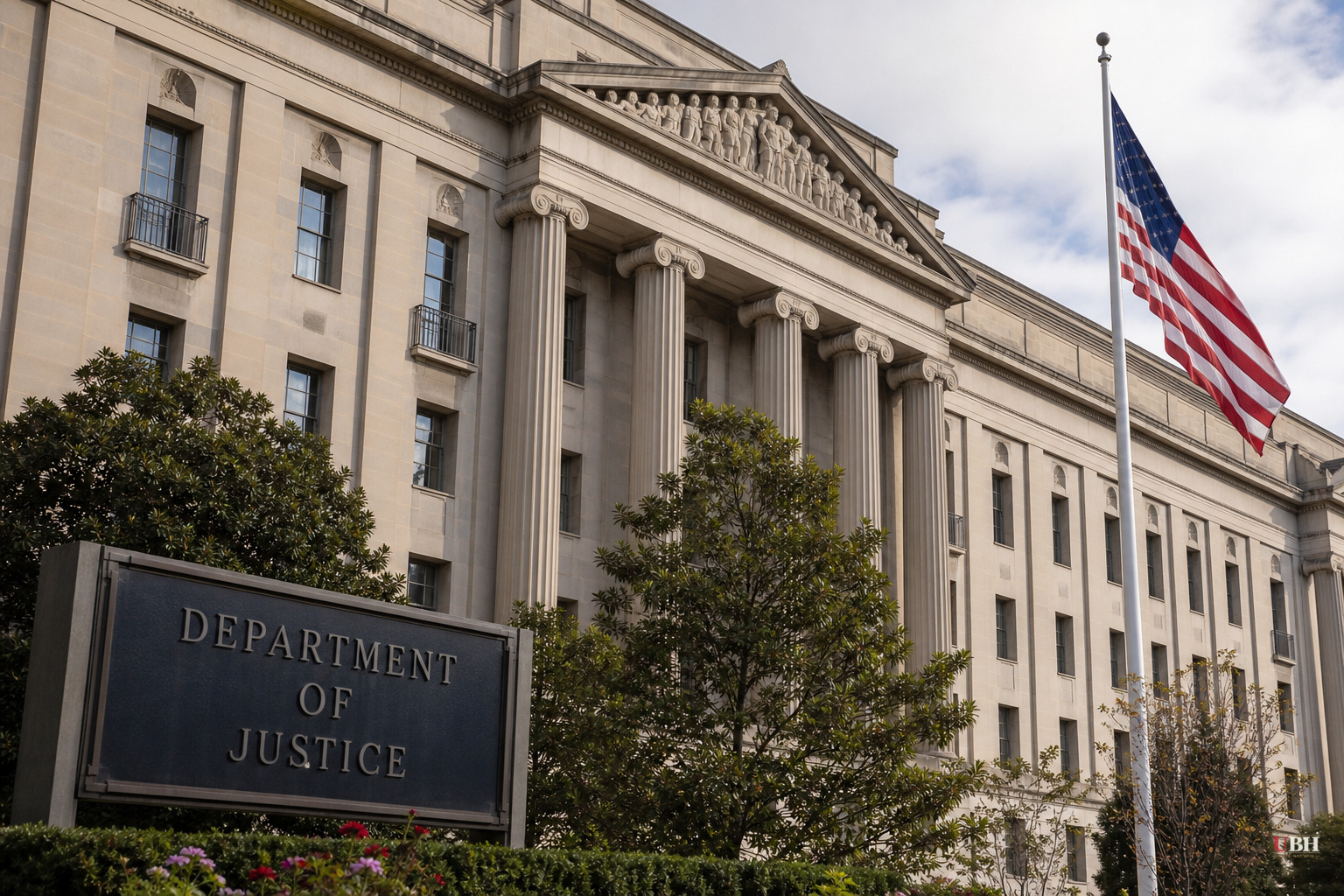
A federal court that sat completely unused for three decades finally had its first hearing this week. The Justice Department filed a petition with the Alien Terrorist Removal Court seeking to deport Nazira Haji Zada, a 47-year-old lawful permanent resident living in Fort Worth, Texas, according to NPR and the Associated Press, as reported by PBS.
Congress created this court in 1996 under the Antiterrorism and Effective Death Penalty Act. The whole point was to let the government use classified evidence to deport people accused of terrorism without exposing sources and methods in a normal immigration courtroom. It sat dormant for 30 years. Zero petitions. Zero hearings. Until now.
Who Is Nazira Haji Zada
Zada is the mother of a man and mother-in-law of another already sitting in federal prison. Prosecutors say both men tried to carry out a mass-casualty attack targeting the 2024 elections on behalf of the Islamic State, according to the Justice Department. Both were convicted, sentenced, and will be deported once they finish their prison terms.
Deputy Attorney General Todd Blanche didn't mince words about the mother's alleged role. "The allegations in this case show the matriarch of an ISIS-sympathizing family aiding in a plot to launch a mass casualty attack on American voters on Election Day," Blanche said in a statement reported by both NPR and WOSU. "The Department's application in this court makes clear that terrorists have no place in the United States of America."
That's the government's characterization. It has not been proven in a public hearing with a full evidentiary record. The petition itself, filed the prior Wednesday, was a single page and withheld the individual's name entirely when first posted to the court's website, according to the Associated Press's reporting for PBS. Zada's identity became public only through the DOJ's own statement.
The Judge Didn't Just Sign Off
Chief Judge Joan Ericksen, a federal judge from Minnesota who leads the five-member court, did not simply approve the government's request.
After Thursday's hearing, Ericksen wrote that the court had "questions about the nexus that the government alleges between the actions of the respondent and the specific sections and subsections it invokes with respect to those actions." Translation: the DOJ needs to show its work better. She ordered the Justice Department to provide more information by the following Wednesday.
A brand-new, untested court took its first case and immediately pushed back on the government's legal theory instead of nodding along. This reflects how an adversarial process should work, whether you like the Trump administration's immigration enforcement agenda or not.
Why This Court Exists and Why It Never Got Used
The five judges on the Alien Terrorist Removal Court are selected by Chief Justice John Roberts. The law lets the attorney general or deputy attorney general file sealed applications naming someone as an "alien terrorist," a category that includes people who engaged in terrorist activity, endorsed such activity, or belonged to a group that encourages it. If the court grants the application, it must then hold a public hearing where the government carries the burden of proof.
No administration, Democrat or Republican, ever used this thing in 30 years. Why? Immigration lawyers and past officials have generally preferred the standard immigration court system or, in extreme cases, criminal prosecution, both of which have decades of precedent and appellate review built in. This court has none of that. Every procedural question, every evidentiary standard, gets decided from scratch, in public, for the first time, right now.
A dormant court with no case history means no settled rules about what counts as sufficient evidence, how classified material gets handled, or what rights a respondent actually has to challenge secret allegations. Civil liberties advocates have raised exactly this worry about the broader use of classified-evidence proceedings in immigration cases. Whether the ATRC's design gives Zada a fair shot to see and contest the evidence against her is an open question this case will start to answer.
Federal Judge James Boasberg, who's been overseeing a separate fight over the Trump administration's use of the 1798 Alien Enemies Act to deport Venezuelan migrants, told a hearing last year that the Alien Terrorist Removal Court would be the "natural forum" for national-security deportation cases, according to the Associated Press. The administration appears to have taken that suggestion literally.
Zada has not been criminally charged. This is a civil removal proceeding, not a criminal trial, and the underlying allegations against her personally, as opposed to her son and son-in-law, remain unproven in open court. The Justice Department now has until the following Wednesday to answer Judge Ericksen's questions. What happens after that will decide whether this 30-year-old court becomes a regular tool or stays a one-case experiment.
Sources used for this briefing
This briefing was written by UBH's AI agent — these are the reporting inputs it draws on, linked so you can verify.


