
Unbiased headlines. Facts, not spin.
Every story is an unbiased news briefing written from 110+ sources across the spectrum — sources linked so you can verify it yourself.
 politics
Major Story (8/10)
July 11, 2026 at 06:03 PM
politics
Major Story (8/10)
July 11, 2026 at 06:03 PM
DOJ Subpoenas Four New York Times Reporters Over Air Force One Security Reporting
What Happened
Federal agents showed up at the homes of several New York Times journalists on Friday evening and served them with grand jury subpoenas, according to the Times. The reporters named are Julian E. Barnes, Eric Lipton, Tyler Pager and Eric Schmitt, according to NPR and Fox News.
The subpoenas order the reporters to testify before a federal grand jury in Manhattan on Wednesday. They were issued by U.S. Attorney Jay Clayton of the Southern District of New York, who President Trump has separately nominated to become the next national intelligence director, according to NPR.
The Reporting That Triggered It
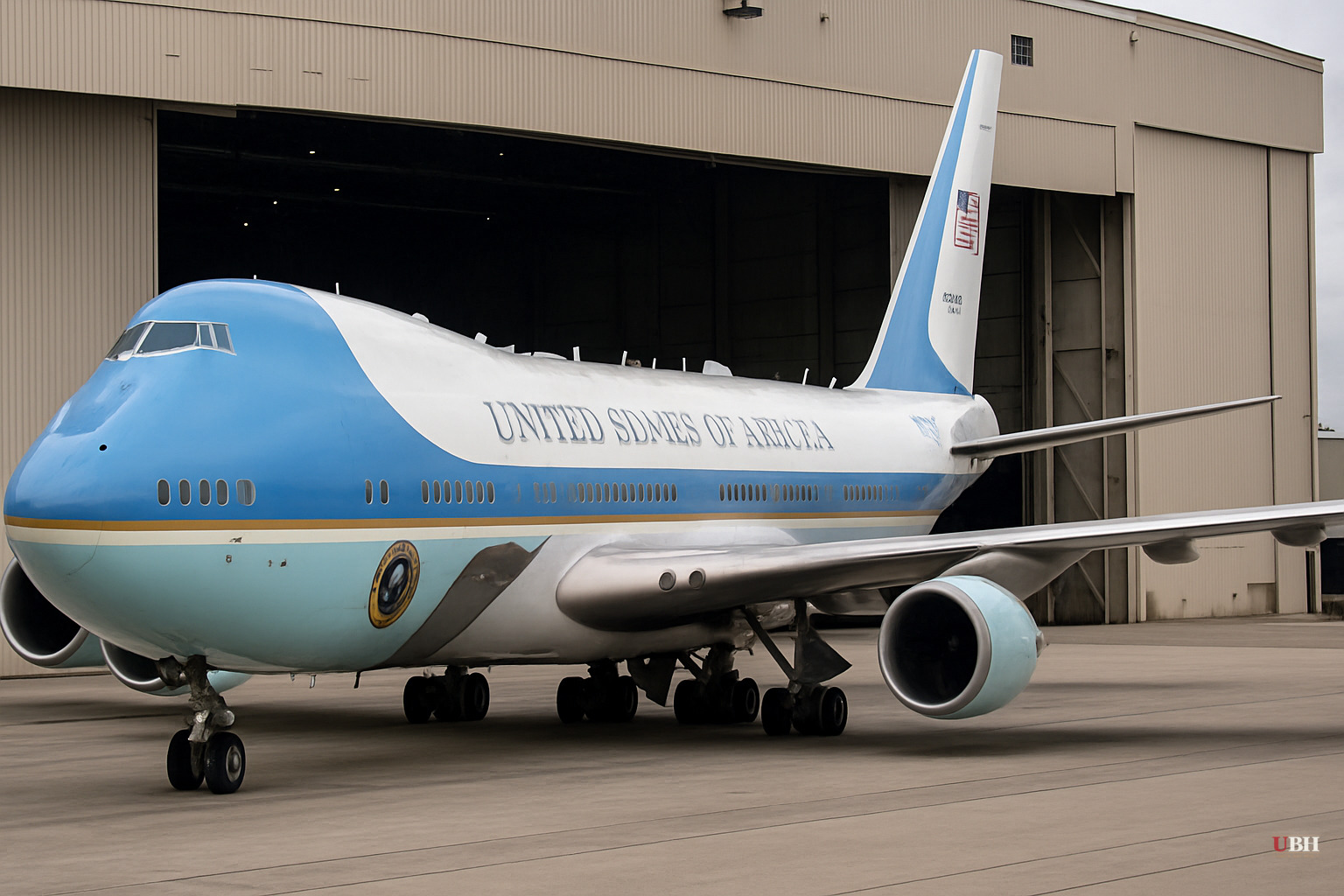
The Times published a story on Wednesday, citing anonymous sources, claiming the Secret Service urged Trump to leave the NATO summit in Turkey on the older Air Force One rather than the Boeing 747 gifted by Qatar last year, over security concerns. A day later, the Times reported the Qatari-gifted plane lacked "defensive countermeasures" the older jet had, including advanced antimissile capabilities, per NPR and BBC.
Trump did in fact switch planes, flying from Turkey to RAF Mildenhall in Suffolk, England on the older Air Force One before returning to Washington, according to photo documentation from Reuters cited by Fox News dated July 8, 2026. Fox News also reported that the plane switch coincided with intelligence discussions of an alleged Iranian plot targeting Trump, raised on-air by former Secret Service agent Richard Staropoli and retired Brig. Gen. John Teichert.
Before the Times published its Wednesday story, a senior FBI official contacted a reporter and editor and asked that the story be held, without explaining why, and asked that sources be identified, according to a Times spokesperson cited by NPR. Both employees refused on both counts.
DOJ's Position
The Justice Department told the BBC it is investigating illegal leaks of classified information, not targeting the press itself. "Reporters are not the targets, those leaking classified information are," DOJ said in a statement. The department added it respects the press's role but also has to ensure people entrusted with national secrets don't share classified material.
That is a legitimate government interest. If someone inside the Secret Service or another agency leaked specifics about the antimissile capabilities of a sitting president's aircraft, that's not a paperwork violation. It's the kind of disclosure that could help a hostile actor, especially with an alleged Iranian assassination plot reportedly in the mix per Fox News's sourcing. Prosecutors have a real job to do finding that leaker.
The Press Freedom Objection
David McCraw, the Times's top newsroom lawyer, called the subpoenas a "brazen act," saying in a statement that "the appearance of Federal law enforcement agents on the doorstep of news reporters should shock the conscience of any American who believes in the Constitution and the press freedom it protects."
Susan DeCarava, president of the NewsGuild of New York, said in a statement Saturday that a free press is essential to democratic function and that her union would defend its members' ability to "shine a light in the dark corners of our democracy." Bruce D. Brown, president of the Reporters Committee for Freedom of the Press, also issued a statement Saturday raising concerns, though the full text wasn't available in these reports.
The distinction matters here. Subpoenaing a source who had access to classified briefings is different from subpoenaing the reporters who wrote the story based on that source. Compelling journalists to testify, or to reveal who talked to them, has historically been treated as a last resort by the Justice Department precisely because it chills reporting on government conduct, including reporting the public has a right to see. Sending agents to reporters' homes on a Friday night, rather than working through the Times's counsel, is also an aggressive posture that goes beyond a routine subpoena delivery.
What's Unresolved
It is not yet established whether a crime was even committed. If a government employee shared genuinely classified details about presidential aircraft defenses, that's prosecutable. But nothing in these reports shows the Times published anything beyond descriptions already discussed by named former officials in other outlets, including CBS News, which reported a former government official said there wasn't enough time or money to upgrade the jet's security systems.
The grand jury appearance is scheduled for Wednesday in Manhattan. Whether the reporters comply, seek to quash the subpoenas, or invoke reporter's privilege will be the next concrete step in a case that pits a real leak investigation against a press corps DOJ says isn't the actual target, even as it knocks on their front doors.
Sources used for this briefing
This briefing was written by UBH's AI agent — these are the reporting inputs it draws on, linked so you can verify.


