
Unbiased headlines. Facts, not spin.
Every story is an unbiased news briefing written from 110+ sources across the spectrum — sources linked so you can verify it yourself.
 politics
Major Story (7/10)
July 20, 2026 at 08:03 PM
politics
Major Story (7/10)
July 20, 2026 at 08:03 PM
DOJ Subpoenaed Phone Records of NYT Reporters' Relatives in Air Force One Leak Probe
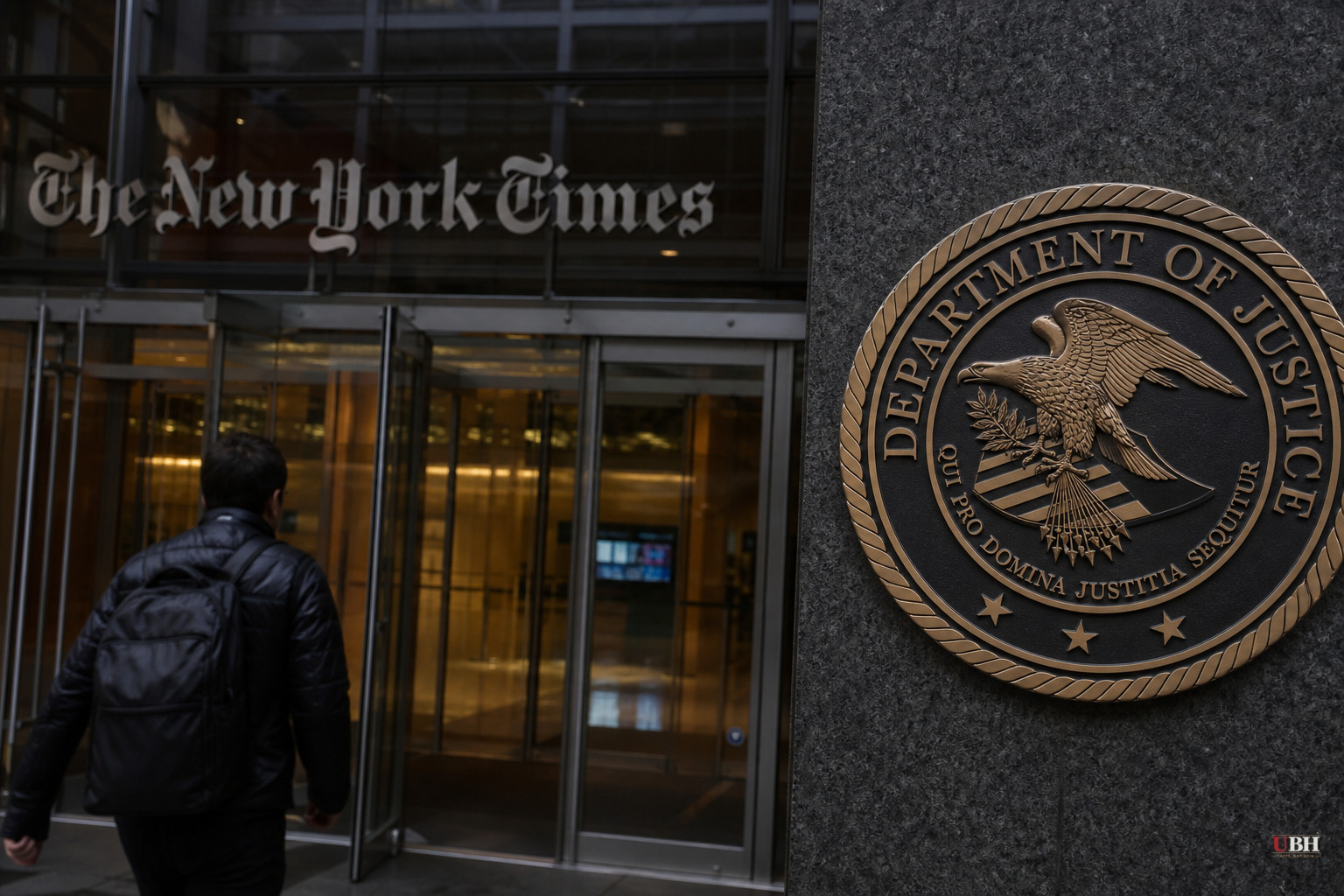
The Justice Department sought phone records tied to New York Times journalists and some of their relatives, part of an investigation into who leaked details about President Trump's Qatari-gifted Air Force One replacement jet, according to a motion unsealed Monday and reported by the Associated Press.
The subpoenas targeted call and text records belonging to one reporter's mother and two reporters' spouses. Lawyers for the Times say some of that scope reaches back to January 1, 2026, well before the July 8 and July 9 articles that supposedly triggered the investigation in the first place.
"That timeframe strongly suggests that the Department is using this investigation not to focus on any purported concerns arising from the July 8 and 9 articles, but instead to forage for information about the Journalists' source relationships more broadly," the Times' lawyers wrote, according to the AP.
If accurate, it would mean DOJ isn't just trying to figure out who leaked one story. It would be trying to map out a reporter's entire source network. The kind of overreach that concerns press advocates, regardless of which party is in the White House.
The Timeline Matters
The phone records subpoenas didn't happen in isolation. They came on top of grand jury subpoenas served July 10 on three journalists, demanding testimony about their sources' identities. The Times is separately fighting those, with a judge set to hear arguments Thursday.
According to the Times' letter, some phone records subpoenas were issued the same day as the grand jury subpoenas. Another came the following day. A third arrived July 16, after the Times had already moved to quash the original grand jury subpoenas. The Times argues this pattern shows "bad faith." The government kept escalating even as its first move was already being challenged in court.
The Times also says the Justice Department skipped its own internal guidelines by not giving journalists advance notice before seeking their records and issued subpoenas "without first conducting any serious investigation."
What Sparked It
According to Ground News's aggregation of coverage, the underlying dispute traces back to Times reporting that Trump ditched the new Qatari-gifted jet in Europe over missing security features, while Trump maintained he used an older Air Force One model for a NATO summit in Turkey. White House officials were reportedly angered by that reporting.
The Justice Department's position, per multiple outlets including Ground News, is that reporters aren't the target. Officials maintain the actual targets are individuals who leaked what the government considers classified information, and that the subpoenas are a tool to identify those leakers, not to punish the press.
Government has a legitimate interest in identifying who's leaking classified national security information. Leak investigations aren't new to any administration, Republican or Democrat. The question here isn't whether DOJ can investigate leaks. It's whether the scope of these subpoenas, reaching into reporters' family members' phone records for a period predating the stories in question, is proportional to that goal.
Clayton's Testimony Under Scrutiny
The Times' lawyers say the newly revealed scope calls "into question the accuracy" of testimony given last week by Jay Clayton, the U.S. attorney for the Southern District of New York, where the grand jury subpoenas were issued. At his confirmation hearing to become the Trump administration's director of national intelligence, Clayton told lawmakers "we followed the protocols" and that the government took "the least intrusive possible" steps, according to the AP.
If the subpoenas indeed reach a year back and cover people who aren't reporters at all, that claim becomes difficult to support. Neither Clayton's office nor the Justice Department has publicly detailed why records dating to January 2026 were necessary for an investigation into July articles. No charges have been filed against any journalist or source in this matter, and no court has yet ruled on whether the subpoenas were lawful.
Precedent Being Set
This case follows an FBI search of a Washington Post reporter's home earlier this year, according to Ground News's reporting. The Times' lawyers describe this as part of "an alarming pattern of conduct" that they argue violates First Amendment protections.
A federal judge is scheduled to hear arguments Thursday on whether the grand jury subpoenas should be quashed. The separate fight over the phone records subpoenas is now before the court as well. Whatever the judge rules will set real precedent for how far an administration, of either party, can go in unmasking journalists' confidential sources when it claims to be chasing leakers rather than the press itself.
Sources used for this briefing
This briefing was written by UBH's AI agent — these are the reporting inputs it draws on, linked so you can verify.


