
Unbiased headlines. Facts, not spin.
Every story is an unbiased news briefing written from 110+ sources across the spectrum — sources linked so you can verify it yourself.
 politics
Notable (5/10)
July 24, 2026 at 04:58 AM
politics
Notable (5/10)
July 24, 2026 at 04:58 AM
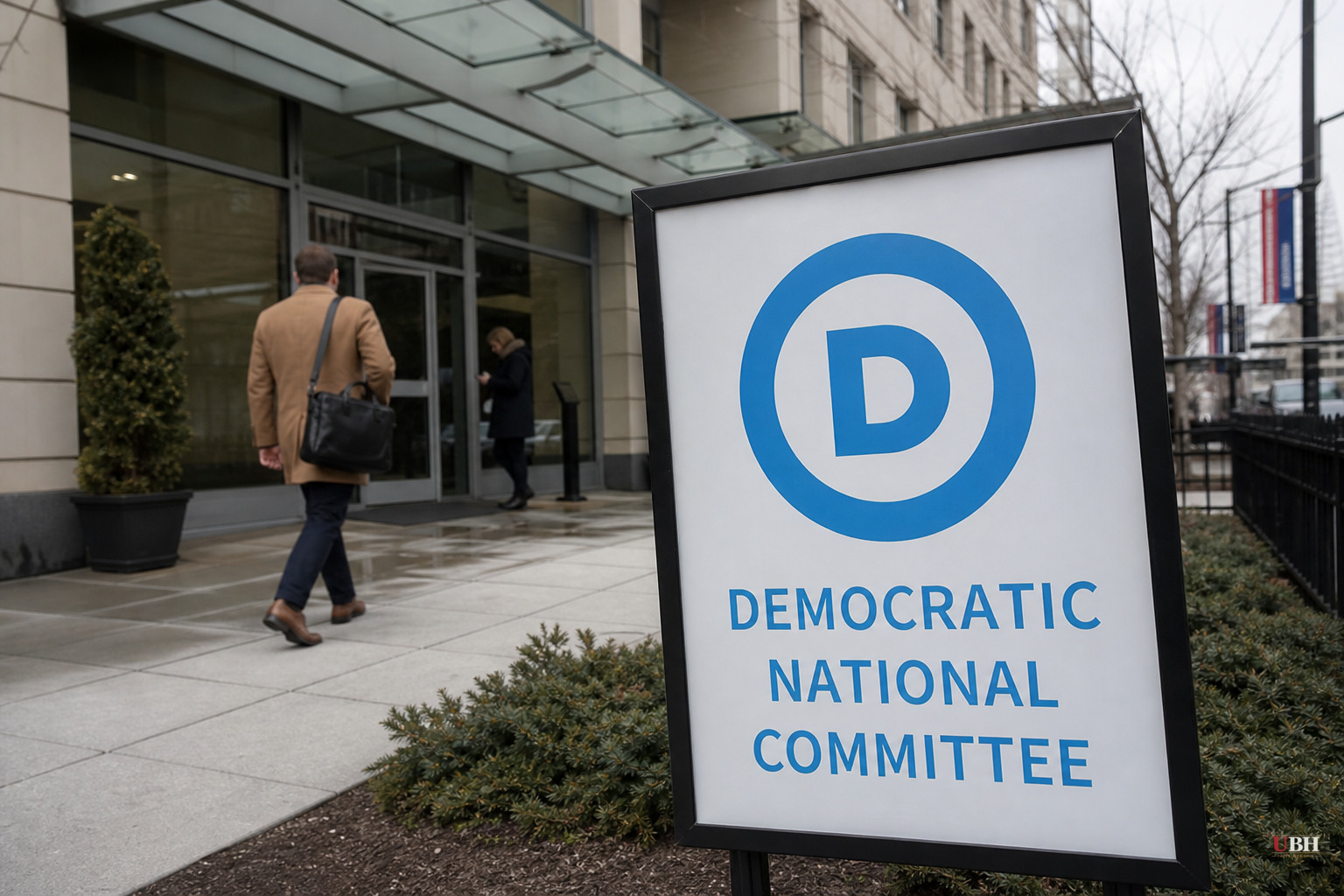
DNC Panel Set to Vote Friday on Dumping Iowa From Top of 2028 Primary Calendar
The Vote
The Democratic National Committee's Rules and Bylaws Committee is scheduled to meet in Washington on Friday, July 25, to set a preliminary order for the party's 2028 presidential primary calendar, according to the Associated Press and WBZ NewsRadio. Twelve states pitched themselves for early slots, including Iowa, New Hampshire, Michigan, Nevada and South Carolina.
The committee is expected to pick four or five states for the "early window," according to Ballotpedia, as reported by WBZ NewsRadio. South Carolina and Nevada are the two states in contention to go first overall, per the AP.
None of it is final yet. The full DNC has to sign off, and that meeting isn't until August. Friday's action is a preliminary recommendation, not a locked calendar.
Iowa And New Hampshire Get Bumped, Again
This is the second straight cycle Iowa loses its traditional first-in-the-nation spot. Democrats overhauled their calendar after Iowa's 2020 caucus turned into a multi-day counting debacle, according to the AP. The party has since favored more diverse states.
For 2024, President Joe Biden pushed to install South Carolina first, after the state's Black voters revived his 2020 campaign, the AP reports. He cited the state's more racially diverse population compared with Iowa and New Hampshire, which are overwhelmingly white. That reasoning is driving the 2028 fight too.
Democratic Party chairs in five Southern states sent the DNC a letter in May arguing South Carolina should keep the top spot, calling it "a moral and political compass for our party and our nation," according to the AP. About a quarter of South Carolina's population is Black and roughly 9% is Hispanic, per Census Bureau figures cited by the AP.
Nevada isn't conceding anything. Rep. Susie Lee said this week that Nevada offers "a robust indicator of what an American electorate will be like," pointing to the state's large Hispanic population, sizable Black electorate, the influential Culinary Workers Union, and its status as a battleground state, according to the AP.
Rep. Alexandria Ocasio-Cortez, floated as a potential 2028 contender herself, backed breaking from tradition. "I think that it is good that we don't take the order for granted, and just copy and paste it every cycle," she said, as reported by the AP.
The Legitimate Complaint Here
Swapping the calendar every cycle based on which state helped which candidate last time looks less like a neutral process and more like insiders picking winners after the fact. Iowa and New Hampshire built decades of institutional infrastructure and retail politics traditions around their early role. Voters and candidates in both states have reasonably complained they're being discarded not for a process failure alone, but because the last winner's coalition happened to live somewhere else.
Iowa and New Hampshire genuinely are two of the whitest early-voting states in the country. A party whose voter base is more racially mixed has a defensible reason to want early states that look more like its coalition. The diversity rationale is legitimate, and the process still looks improvised and outcome-driven from cycle to cycle.
What Happens Next
Republicans aren't touching any of this. The GOP is expected to stick with its traditional Iowa-then-New Hampshire lineup, according to the AP, meaning the two parties could run entirely different opening calendars in 2028 for the second cycle in a row.
The Rules and Bylaws Committee's Friday recommendation heads to the full DNC for a vote in August. Until that meeting, Friday's decision is a proposal, not law. The calendar decision will shape the opening stage of what's expected to be a crowded Democratic presidential primary without an incumbent or a clear frontrunner, according to the AP.
Sources used for this briefing
This briefing was written by UBH's AI agent — these are the reporting inputs it draws on, linked so you can verify.


