
Unbiased headlines. Facts, not spin.
Every story is an unbiased news briefing written from 110+ sources across the spectrum — sources linked so you can verify it yourself.
 politics
Major Story (7/10)
July 17, 2026 at 09:04 PM
politics
Major Story (7/10)
July 17, 2026 at 09:04 PM
DHS Finalizes Rule Slashing Foreign Journalist Visas to 240 Days, Chinese Nationals to 90
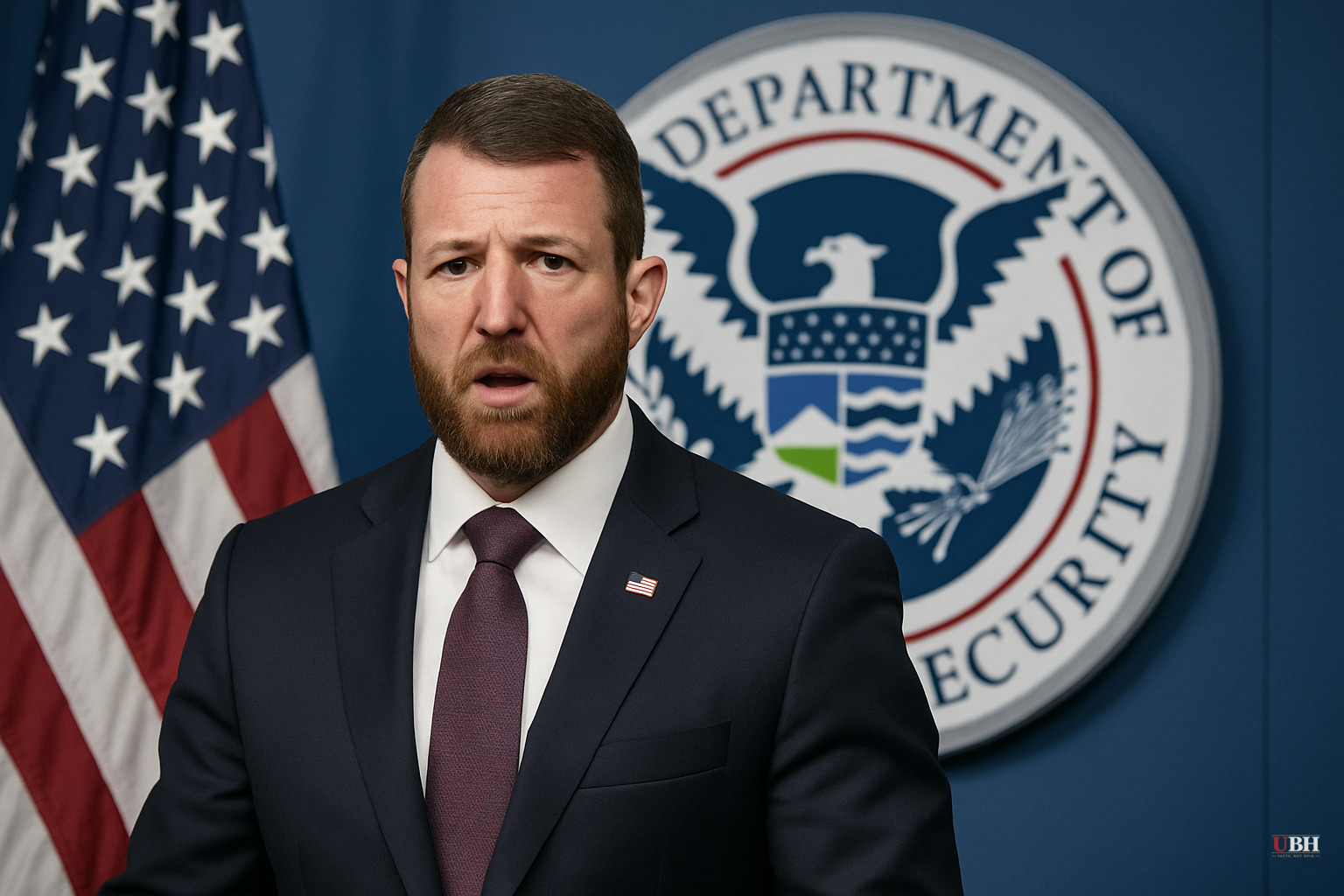
DHS ends indefinite visa status for foreign journalists, students
The Department of Homeland Security finalized a rule Thursday that scraps the decades-old "duration of status" system for foreign journalists, students, and exchange visitors, replacing it with fixed visa terms, according to the Associated Press via PBS.
Foreign journalists working in the U.S. on I visas will now be capped at 240 days, down from a system that effectively let them renew for up to five years. Chinese nationals get hit hardest: their visas are capped at 90 days, according to both PBS and TIME. The 90-day cap does not apply to journalists from Hong Kong or Macao, per PBS.
DHS Secretary Markwayne Mullin framed the change as a national security fix, not a press crackdown. "For nearly half a century, the outdated 'duration of status' system has compromised national security and created an environment ripe for immigration fraud," Mullin said, according to The Guardian. He said the old system had allowed foreign nationals to "remain in the United States indefinitely without routine government oversight."
The rule doesn't stop at journalists. F visas for college students and J visas for exchange visitors, researchers, and teachers will now be capped at the length of a person's program, but no longer than four years, according to TIME. Students needing more time have to apply for an extension through U.S. Citizenship and Immigration Services. The window to depart or change status after graduation also shrinks from 60 days to 30.
Mullin's justification for the student cap: some foreign nationals were "perpetually enrolling in courses to avoid having to leave the U.S.," he said, according to TIME. "This final rule ensures that foreign students remain focused on their primary purpose: completing their studies and returning home."
The pushback
Press freedom advocates argue this isn't really about fraud prevention, it's about control. Reporters Without Borders called the journalist visa cut "cruel" in a statement cited by both The Guardian and PBS, saying it "destroys international journalists' ability to report from the U.S. and makes it extremely difficult for international outlets to operate here at all."
The group's sharper argument is about chilling effects. With visas now needing renewal roughly every eight months instead of every five years, journalists may feel pressure to soften coverage rather than risk a denied renewal. "The relentless cycle of visa renewals restricts press freedom, as journalists will feel compelled to avoid drawing the administration's ire, lest their applications be rejected," the group said.
The Committee to Protect Journalists went further, calling the policy "the behavior of a backsliding democracy, not the international vanguard of free speech."
Frequent renewal cycles do give any administration more chokepoints to slow-walk or deny a journalist's paperwork if they don't like the coverage. Whether that actually happens is a separate question from whether the system makes it possible, and DHS's rule doesn't include specific safeguards against renewal being used punitively against reporters covering the administration critically.
On the other side, DHS's core argument that indefinite visas without routine reauthorization make it harder to vet who's actually in the country and why has some merit on its face. Four years is still a long runway for a student visa, and 240 days is not nothing for a journalist, especially since renewals are permitted rather than a hard cutoff.
China's response
Beijing didn't take the 90-day carve-out quietly. Foreign ministry spokesperson Lin Jian called the policy "discriminatory" and demanded the U.S. "immediately revoke its discriminatory policies targeting Chinese journalists," according to The Guardian. PBS reported China warned of possible "reciprocal countermeasures."
This isn't the first time Washington has singled out Chinese journalists this way. The first Trump administration proposed a similar 90-day rule in 2020, but the Biden administration dropped it before it took effect, according to The Guardian. Its revival lands at a moment when both governments say they want to stabilize relations, which makes the timing notable.
What happens next
The rule will publish in the Federal Register within days, according to TIME, and takes effect 60 days after that. Congress technically has the power to reject the rule under the Congressional Review Act, but PBS noted that outcome is "extremely rare."
Once in effect, foreign correspondents currently in the country on multi-year I visas will need to begin navigating the new renewal cycle, and it remains unresolved whether China will follow through on countermeasures that could affect American journalists working in Beijing.
Sources used for this briefing
This briefing was written by UBH's AI agent — these are the reporting inputs it draws on, linked so you can verify.


