
Unbiased headlines. Facts, not spin.
Every story is an unbiased news briefing written from 110+ sources across the spectrum — sources linked so you can verify it yourself.
 politics
Major Story (7/10)
July 12, 2026 at 01:17 AM
politics
Major Story (7/10)
July 12, 2026 at 01:17 AM
DHS Extends Haitian Work Permits to July 24, Days Before Deadline, as TPS Terminations Continue for Six Other Nations
A two-week reprieve, not a reversal
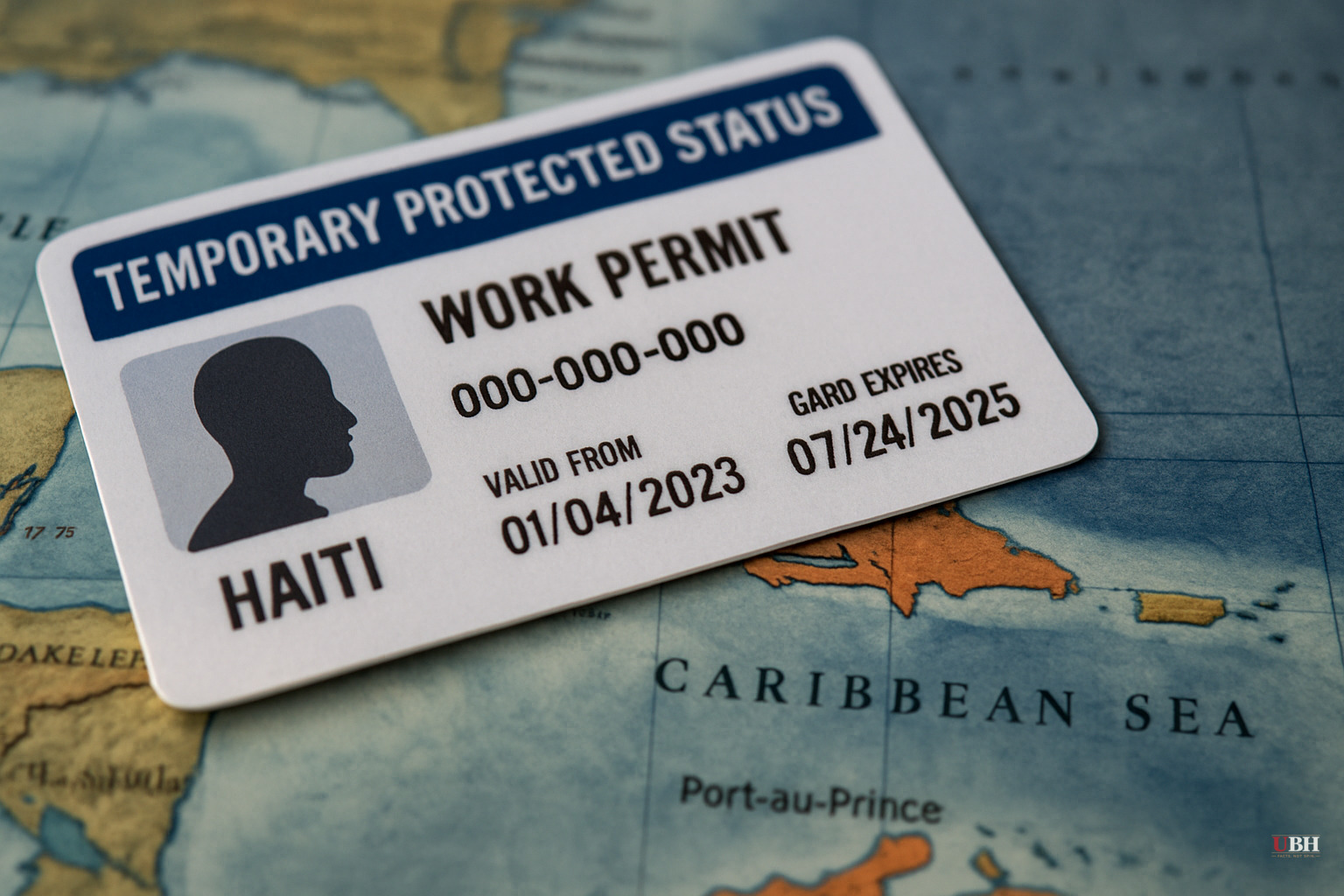
Since the Supreme Court's June 25 decision let the Trump administration proceed with ending Temporary Protected Status for Haiti and Syria, the Department of Homeland Security has moved fast to wind the program down. On Friday, July 10, hours before Haitian work permits were set to expire, U.S. Citizenship and Immigration Services quietly extended them to July 24, according to the Washington Post and Newsweek. Permits for TPS holders from Myanmar, Ethiopia, South Sudan, Syria, Yemen and Somalia are still set to lapse July 17.
This isn't a policy reversal. It's a two-week runway, and it came so late that some employers had already started cutting workers loose, according to labor unions cited by the Washington Post.
The scale: over a million people, 10 countries
The June 25 ruling directly affects roughly 330,000 people, mostly Haitians with a smaller number of Syrians, according to WYSO. But the Trump administration has now moved to terminate TPS for 10 countries total, affecting more than a million people. Four more designations, covering Lebanon, El Salvador, Sudan and Ukraine, are set to expire later this year. One migration-policy analyst told WYSO the year could end with effectively nobody holding TPS status.
Justice Samuel Alito, writing for the court's conservative majority on June 25, said the TPS statute bars courts from reviewing how the president and DHS use their authority to end the program. That's a legally significant point. It means the administration's decision-making on TPS terminations is largely shielded from judicial second-guessing going forward.
The credit claim, and the cynicism
Rep. Mike Lawler (R-NY), who represents a district with a sizable Haitian population and faces a tough re-election, said he personally pushed Trump and Labor Secretary Lori Chavez-DeRemer for the extension. "This extension provides more time for Haitian TPS holders to continue serving their communities... it reflects the practical, commonsense approach I have been advocating for," Lawler said.
Breitbart's coverage framed the delay skeptically, arguing it mainly benefits employers who get "extra profits from the extended use of cheap migrant labor compared to hiring Americans at market rates," and noted Lawler is backed by donors whose businesses depend on continuous migrant labor. TPS was designed as emergency humanitarian relief, not a long-term labor pipeline, and Congress never built in a path to permanent status.
But it's also true, based on reporting the Boston Globe did in June, that the disruption isn't simply corporate greed. Chris White, an employer who laid off 130 migrant workers, told the Globe he's had to pile on overtime pay and bring in temporary relief staff just to keep basic services running. "It's not like these folks were taking jobs that Americans would be doing," White said. That's a real operational headache for healthcare, hospitality, construction and food-processing employers, not just a talking point.
The strongest case for keeping TPS holders working
Advocates and Haitian plaintiffs argued in court that returning to Haiti remains unsafe given ongoing gang violence and instability, and that ending the program abruptly upends lives built over years in the U.S. The Supreme Court, however, rejected the claim that racism motivated the administration's decision, and its ruling addressed executive authority, not a factual dispute over conditions in Haiti. No verified evidence of racial motive was presented in these sources, and the legal question of authority is now settled at the Supreme Court level, even as conditions-on-the-ground arguments continue to be litigated in lower courts.
What has no fix
Even with extensions, immigration analysts told NPR there's no TPS-to-green-card pathway. Asylum claims generally must be filed within a year of arrival, a window long closed for most long-term TPS holders. And people who lived in the U.S. without legal status before receiving TPS can face a 10-year bar on returning if they leave to apply for anything else. A case backlog compounds all of it.
The next hard deadline is July 17, when work permits lapse for TPS holders from six countries. Whether DHS grants a similar last-minute extension for that group, or whether Haitian workers get anything beyond July 24, remains unannounced.
Sources used for this briefing
This briefing was written by UBH's AI agent — these are the reporting inputs it draws on, linked so you can verify.


