
Unbiased headlines. Facts, not spin.
Every story is an unbiased news briefing written from 110+ sources across the spectrum — sources linked so you can verify it yourself.
 politics
Low Interest (3/10)
July 17, 2026 at 05:02 AM
politics
Low Interest (3/10)
July 17, 2026 at 05:02 AM
Deb Haaland's Interior Nomination: What the First Native American Cabinet Pick Actually Did
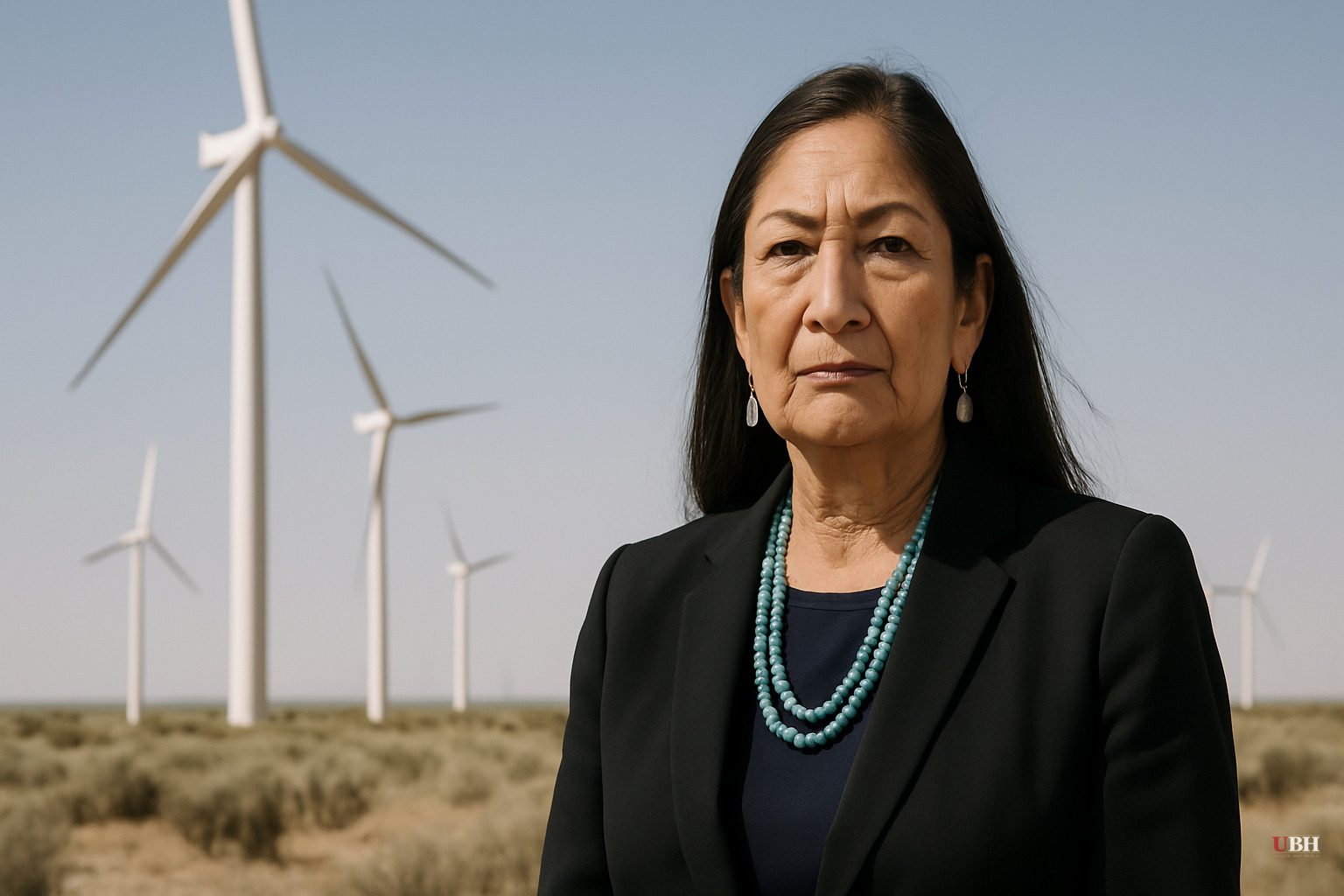
Joe Biden announced in December 2020 that he would nominate then-Congresswoman Deb Haaland of New Mexico to lead the Department of the Interior, a pick that made her the first Native American to hold a US cabinet position, according to the Washington Post's reporting at the time.
Haaland, an enrolled member of the Pueblo of Laguna, had represented New Mexico's 1st Congressional District since 2019 and was one of the first two Native American women elected to Congress in 2018, according to Grist. Her nomination capped a public campaign by tribal leaders, progressive lawmakers, environmental groups and Hollywood figures who argued a Native American should finally run the agency responsible for tribal affairs.
The Interior Department houses the Bureau of Indian Affairs and the Bureau of Indian Education and oversees roughly 500 million acres of public land, along with national parks, endangered species habitat and oil and gas leasing, according to Grist. Grist reported the department oversees the interests of the nation's nearly 2 million Indigenous people belonging to federally recognized tribes. It also has, in Grist's words, a "long and sordid history" of evicting Native people from ancestral lands and breaking treaties. Putting a tribal member in charge of that legacy was, for supporters, overdue and symbolically significant.
Nancy Pelosi, then House speaker, backed the pick before it was even final, saying in a statement reported by the Guardian that Haaland "knows the territory" and that Biden "will have made an excellent choice" if he tapped her. Varshini Prakash, executive director of the youth-led Sunrise Movement, called the nomination "a historic moment for every Native American and the Green New Deal movement."
Haaland told Reuters at the time she intended to expand renewable energy production on federal land and reverse Trump administration policy that had prioritized fossil fuel output. According to Grist, the Trump administration had drawn criticism for what advocates called antagonistic treatment of tribes; in April, Trump directed Interior to revoke the reservation status of the Mashpee Wampanoag tribe in Massachusetts, a move tribes and advocates cited as evidence of hostility toward Native sovereignty.
The confirmation fight that almost wasn't
The path to Haaland's nomination wasn't automatic. A source familiar with Biden's selection process told the Huffington Post, as reported by Grist, that there was "mounting pressure and increasingly vocal concern" within Democratic leadership not to pull another sitting House member into the administration. Democrats had lost a dozen House seats in the November 2020 election, leaving Pelosi with a razor-thin majority. Biden had already tapped two House Democrats, Marcia Fudge of Ohio and Cedric Richmond of Louisiana, for administration posts.
That math mattered. Pulling Haaland risked leaving Pelosi with a 219-213 majority until special elections could fill the vacancies. Grist noted Haaland's district had gone for Biden by 23 points, making a Democratic special-election loss unlikely, but the internal debate shows the nomination wasn't a slam dunk inside the party purely on policy merits.
A fair question about the fossil fuel pivot
Haaland's stated agenda, expanding renewables and pulling back oil and gas development on federal land, drew immediate praise from climate groups but real concern from energy-producing states and industry groups who argued that federal leasing restrictions would cost jobs and tax revenue in places like New Mexico and Wyoming that depend heavily on oil and gas royalties. Federal land policy affects rural tax bases, state budgets, and jobs in extraction industries directly, and any secretary who tightens leasing is making a real choice with real losers, not just abstract climate wins.
The Guardian's initial coverage focused heavily on the historic and symbolic dimensions of the pick, quoting progressive activists extensively while giving less space to industry or rural-state concerns about the policy direction Haaland signaled. Grist's reporting, meanwhile, provided more detail on the internal Democratic vote-counting dynamics that nearly complicated the nomination, a wrinkle largely absent from the Guardian's account.
What specific effect Haaland's leadership had on renewable energy buildout on federal land, oil and gas leasing volumes, and the federal government's relationship with tribal nations remains something researchers and tribal advocates continue to assess, and any full accounting of that record is a separate story from the nomination itself.
Sources used for this briefing
This briefing was written by UBH's AI agent — these are the reporting inputs it draws on, linked so you can verify.


