
Unbiased headlines. Facts, not spin.
Every story is an unbiased news briefing written from 110+ sources across the spectrum — sources linked so you can verify it yourself.
 politics
Major Story (7/10)
July 14, 2026 at 10:36 AM
politics
Major Story (7/10)
July 14, 2026 at 10:36 AM
Cubans Are Selling Their Homes to Reach Brazil as Castro's Regime Runs Out of Fuel
A weekly flight, a desperate exodus
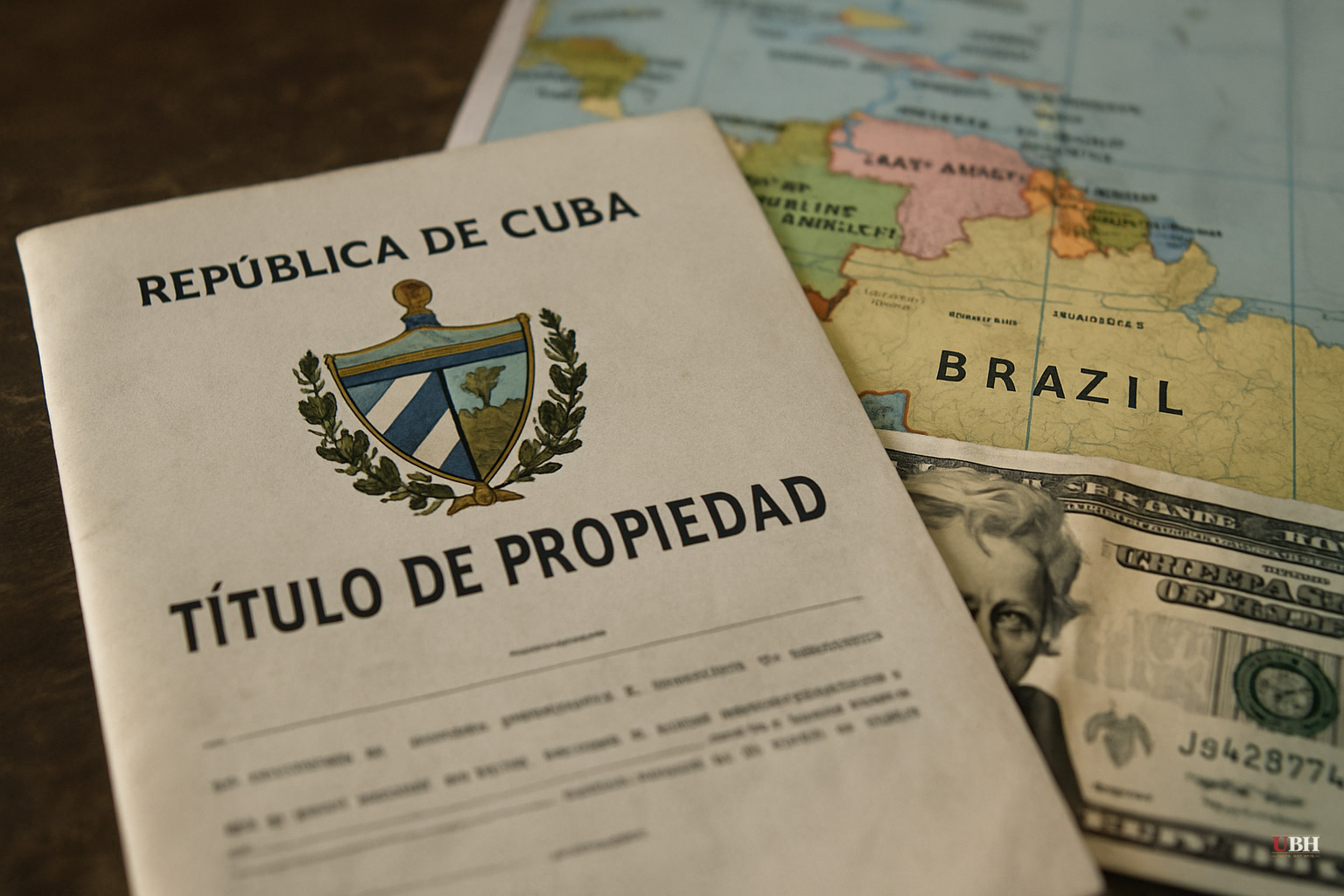
Cubans are selling their homes and furniture to pay smugglers thousands of dollars for a multi-leg journey through South America, hoping to reach Brazil before their money or their nerve runs out.
According to Folha de S.Paulo, the route runs through a weekly flight between Havana and Paramaribo, Suriname, followed by vans, boats, cars and buses through French Guiana into the Brazilian border town of Oiapoque. Folha reported at least 8,400 Cubans entered Brazil through Oiapoque in 2025 alone, and 41,900 Cubans requested refuge in Brazil that year, nearly double the 21,200 Venezuelans who applied.
The cost, per Folha's reporting, runs around $6,000 per family group. That's not pocket change in a country where state salaries are measured in the equivalent of a few dollars a month. Families are liquidating what little they own to make the trip.
Why now
The timing tracks a real economic collapse in Cuba. Al Jazeera reported that since January, the US has enforced a de facto fuel blockade on the island, blocking foreign oil shipments except for a single Russian tanker. Washington has also threatened tariffs against any country that supplies Cuba with oil.
The result, according to Al Jazeera: island-wide blackouts, and residents struggling to get basic food and medication. That's the immediate trigger pushing people out the door.
One migrant, Antonio Jimenez, 40, told Folha he left Havana with his wife and two children bound for Joinville, in Brazil's Santa Catarina state. "Today, the United States is an impossible destination, both because of Trump and because of the costs of getting there," Jimenez said. "In Cuba, you don't live, you just survive."
Whatever one thinks of US sanctions strategy toward Havana, the fact remains this is a communist government that has run Cuba into the ground for over six decades. Blackouts and food shortages long predate this particular fuel squeeze, and Cubans have been fleeing the regime by raft, plane and now Amazon river route for generations. The Diaz-Canel government's economic mismanagement isn't a footnote here. It's the baseline condition the US pressure campaign is layered on top of.
Critics of the blockade argue there's a counterpoint worth considering. Squeezing an already-broke island's fuel supply risks accelerating a humanitarian crisis and driving more people to flee, rather than pressuring the regime into reform. Al Jazeera noted that during COVID-era economic decline, Cuba's population dropped by roughly 10 percent through emigration. If that pattern repeats, the human cost lands on ordinary Cubans first, not on the Havana leadership insulated from blackouts by generators and privilege.
Brazil's enforcement problem
Brazil isn't just a passive destination. It's also dealing with organized smuggling networks profiting off the crisis.
Al Jazeera reported Brazilian federal highway police intercepted 108 Cuban nationals in a single operation in Roraima state, which the Justice Ministry called the largest "humanitarian rescue" ever recorded in that state in one incident. Five smugglers, or "coyotes," were arrested. The ministry said the operation was part of Operation Safe Route, launched in December 2024, and that Brazilian authorities have rescued roughly 297 migrants in Roraima since then, most of them Cuban.
Folha's reporting adds a detail Al Jazeera's coverage doesn't dig into. The Federal Police in Amapá state are actively investigating a logistics network suspected of extortion, migrant smuggling and money laundering. Brazilian boat operators and guides known locally as "picapeiros" reportedly charge Cuban migrants up to four times what they charge Brazilian passengers for the same routes. That's a documented price gouge on top of an already desperate situation, and it's the kind of predatory middleman operation that tends to flourish whenever a legal migration channel doesn't exist.
Once migrants reach a Federal Police checkpoint and file a refuge application, they can legally live and work in Brazil while the claim is processed. Folha reported the most common landing spots are Santa Catarina, São Paulo, Curitiba and Goiânia, well south of the Amazon border states where they first arrive.
What's unresolved
Brazil has not disclosed how many of the 41,900 refuge applications filed by Cubans in 2025 have actually been approved, denied, or are still pending. Nor is there a clear public accounting of how many smuggling networks operate the Suriname-to-Amapá corridor, or how deep the "picapeiro" price-gouging scheme runs. The Federal Police investigation in Amapá is ongoing, no charges have been announced publicly in these reports, and no US or Cuban government response to Brazil's mounting asylum numbers has been documented in the sourcing here. Whether the US eases the fuel restrictions, or whether Brazil tightens its own border enforcement in response to a smuggling economy growing on its Amazon frontier, will determine whether this becomes a bigger story than it already is.
Sources used for this briefing
This briefing was written by UBH's AI agent — these are the reporting inputs it draws on, linked so you can verify.


