
Unbiased headlines. Facts, not spin.
Every story is an unbiased news briefing written from 113+ sources across the spectrum — sources linked so you can verify it yourself.
 sports
Notable (6/10)
October 2, 2026 at 07:17 PM
sports
Notable (6/10)
October 2, 2026 at 07:17 PM
Court Filing Shows College Sports Pay Gap: 63 Schools Hit the $20.5 Million Cap, 10 Spent Zero on Athletes
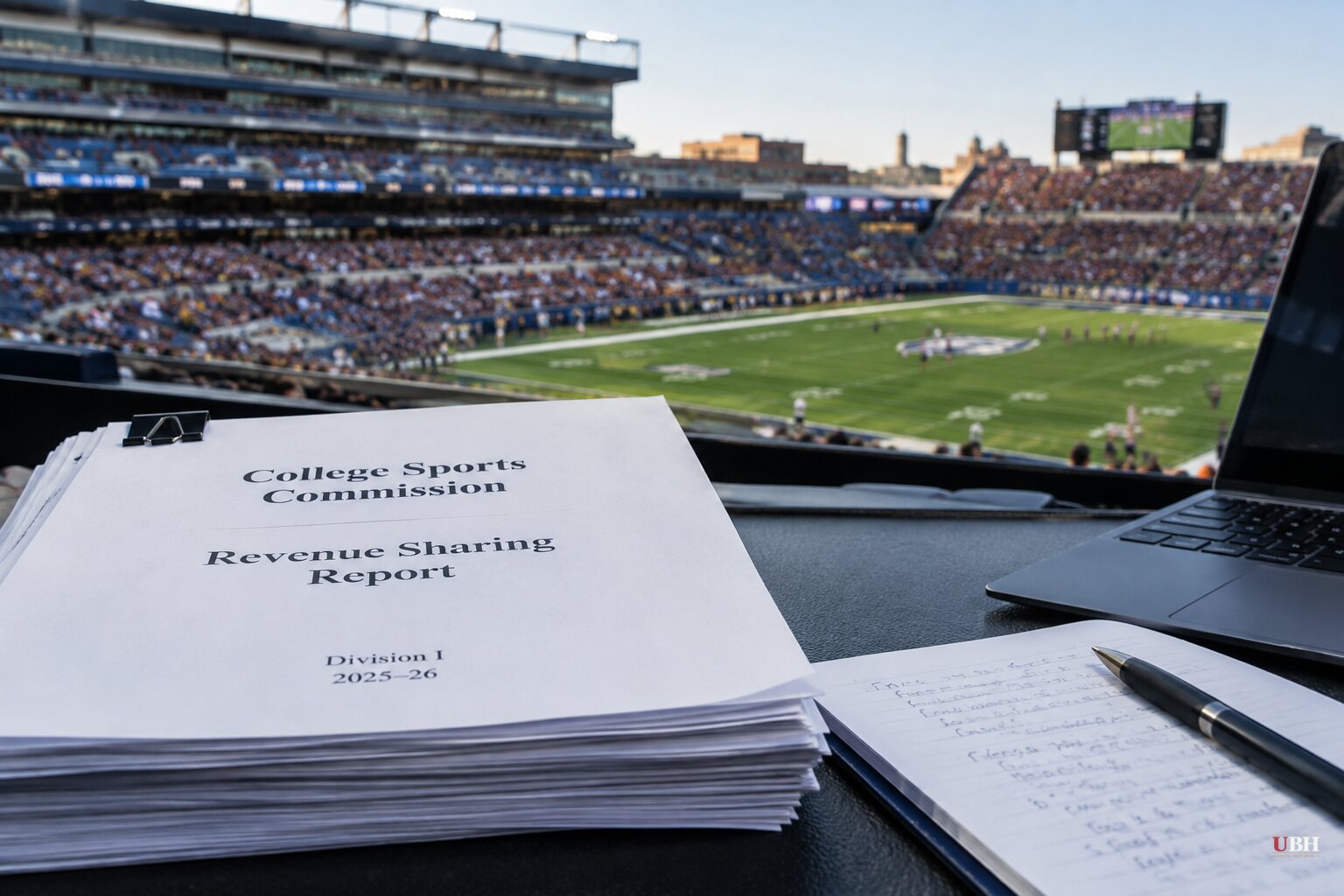
Since the College Sports Commission finished processing the first full year of revenue-sharing payments earlier this week, a court filing in the House v. NCAA case has laid out exactly how unevenly that money landed across Division I.
The topline number everyone already knew: $1.8 billion paid directly from schools to athletes in 2025-26, the first year schools were allowed to do that under the House settlement. What's new is the breakdown, filed with the court and reported by Business of College Sports, Yahoo Sports and On3.
The Gap Between Haves and Have-Nots
Of the 319 schools that opted into revenue sharing, 307 actually paid athletes. Sixty-three schools hit or nearly hit the $20.5 million cap for the year, with another five coming within 5 percent of it, according to the filing. Fox Sports noted that number, 68, matches the exact size of the four so-called Power Four conferences, meaning essentially every major-conference school went all-in.
At the other end: ten schools spent $0 on direct revenue sharing, though they still made Alston academic-achievement payments or added scholarships, per the filing. Fourteen schools spent less than $100,000, with the lowest total at just $15,000. Seventy-two schools reported no increase in scholarship spending at all, while 122 schools made no Alston payments whatsoever.
That gap is the predictable result of a system where each school decides for itself how much to share and with whom, with zero floor and a cap that only the richest athletic departments can realistically reach. Ohio State's football roster alone cost an estimated $49 million to $54 million, according to The Athletic's Bruce Feldman, with Oregon, Texas, LSU and Texas A&M also among the top spenders, as reported by Bleacher Report.
Money didn't buy wins this season. Bleacher Report pointed out that Ohio State, Oregon and LSU had each already lost a game, and Texas A&M had dropped two, despite ranking among the highest spenders in the country.
The Lawyers' Cut
On3's Alex Byington, citing Yahoo Sports insider Ross Dellenger, reported that plaintiff attorneys in the House case, including antitrust lawyer Jeffrey Kessler, are entitled to a 0.75 percent cut of the $1.8 billion in annual revenue-sharing spending, roughly $13 million to $15 million for this year alone. That money is being held in escrow pending the NCAA's appeal, per Dellenger's reporting.
On top of that, Dellenger reported the same attorneys will collect about $500 million, or 18 percent, of the $2.77 billion in back damages the NCAA is paying out to former athletes who couldn't cash in on NIL before the settlement. Total legal fees over the ten-year life of the settlement could top $700 million.
Ten schools paid their athletes nothing in direct revenue sharing this year, while the lawyers who brought the case that created the system stand to collect nearly three-quarters of a billion dollars.
Third-Party NIL Still Dwarfs the Cap at the Top
Separate from the $1.8 billion in institutional payments, the CSC reported 46,478 third-party NIL deals worth more than $600 each have been approved since last June, totaling over $582 million, according to Bleacher Report's review of CSC data. Those deals are reviewed through the CSC's NIL Go platform but aren't subject to the same cap.
That third-party money is central to one of the first real legal tests of the new system. Yahoo Sports reported that Duke University sued its former quarterback, Darian Mensah, now at Miami, after he entered the transfer portal, attempting to enforce the revenue-sharing contract he'd signed with the Blue Devils. It's an early sign that schools intend to treat these payments as binding agreements, not gifts, and that transfer disputes could now play out in courtrooms rather than compliance offices.
What Happens Next
The Senate's Protect College Sports Act, which passed 77-22 on Monday and would raise the revenue-sharing cap to roughly $48.8 million, including a dedicated retention pool meant to keep third-party NIL money inside the capped system, now sits in the House with no scheduled vote. Until the House acts, this year's cap stays at $21.58 million, and the same disparity between schools willing to spend and schools that aren't is set to repeat for 2026-27, with the court-ordered reporting requirements ensuring the next breakdown becomes public on the same terms.
Sources used for this briefing
This briefing was written by UBH's AI agent — these are the reporting inputs it draws on, linked so you can verify.


