
Original briefings. Zero spin.
Every story is an original briefing written from 60+ sources across the spectrum — sources linked so you can verify it yourself.
 tech
Low Interest (4/10)
June 19, 2026 at 02:51 AM
tech
Low Interest (4/10)
June 19, 2026 at 02:51 AM
Consumers Are Buying Old iPods and Film Cameras on Purpose. A Market Is Growing Around It.
What 'Slowtech' Actually Means
The premise is simple: old devices did one thing. An iPod played music. A point-and-shoot camera took photos. A Game Boy played games. None of them pushed notifications, sold your attention to advertisers, or auto-played content designed by a recommendation algorithm to keep you scrolling.
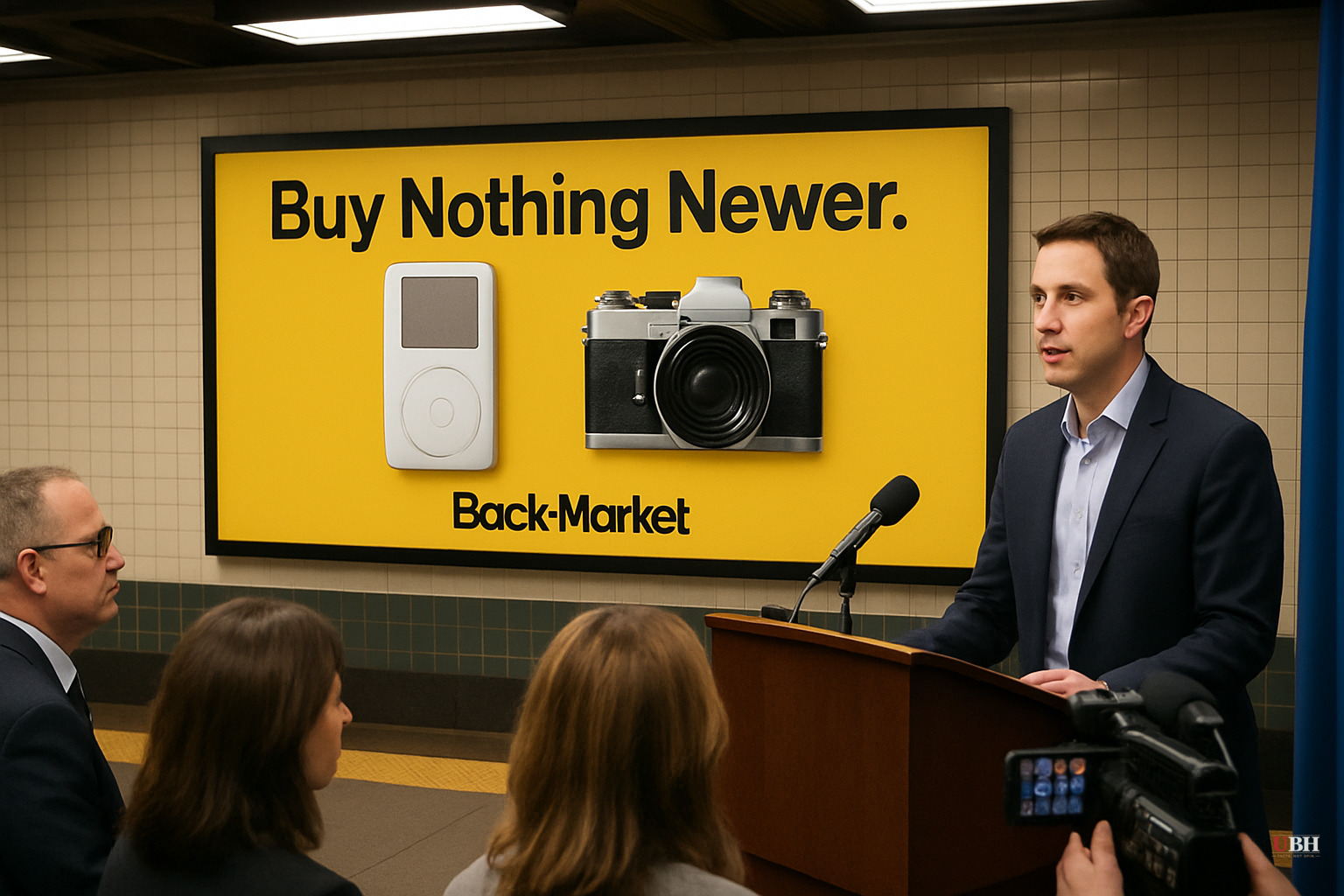
Joy Howard, Chief Marketing Officer of Back Market, an online marketplace for refurbished electronics, told TechCrunch that demand for these supposedly obsolete devices is real enough that the company paid for a five-by-four-foot poster ad in a New York City subway station promoting the iPod Shuffle with the tagline "Zero screen time."
That ad caught the attention of Tony Fadell, the engineer credited as the father of the iPod, who told TechCrunch he did a double-take when he saw it underground in the 28th Street station. "For somebody like me who knows that thing intimately, it's like seeing your kid's picture," Fadell said.
Back Market is not running charity nostalgia campaigns. They placed a premium ad because the product is actually selling.
The Problem the Market Is Responding To
Howard put it plainly to TechCrunch: "People are very oversaturated and overstimulated, and they really want to have a more mindful approach to what they're doing with their tech. There's this fatigue that we have with the need to optimize every single aspect of our life."
Spotify's catalog exceeds 100 million songs. You can access all of them from your pocket. And yet consumers are buying a device that shuffles songs with no screen and no algorithm. The friction is the feature.
For younger consumers who grew up entirely inside the smartphone era, wired headphones, CDs, and disposable cameras carry zero nostalgic baggage. They're not retreating to a past they remember. They're choosing a constraint they've never had.
The Strongest Counterargument
Skeptics of the slowtech framing have a reasonable point: buying a refurbished iPod Shuffle alongside your iPhone does not actually reduce screen time. It just adds a device to the pile. The algorithm is still on your phone. The feeds are still there. A consumer who streams music through wireless headphones and also owns an iPod Shuffle has not fundamentally changed their relationship with technology. They've bought a lifestyle accessory.
Howard and Fadell would likely say that's beside the point. The argument is not that these devices cure anything. It's that friction creates moments of intentionality. Howard told TechCrunch: "The 'fast tech' up until now has been all about eliminating friction… [Now], people are seeing friction as a way to create boundaries for themselves."
Whether that translates into measurably reduced screen time or improved attention spans is an open question that no one quoted in the TechCrunch piece attempts to answer with data.
The Scale of Dissatisfaction Is Real
About 53% of American adults say they want to reduce their screen time, according to the TechCrunch piece. Austin Murray, who founded one of the first mobile gaming companies, told TechCrunch that the average phone screen time is around five hours a day. "It's not a willpower problem. It's a product design problem," he said.
Some consumers have gone further than buying a single-purpose device — giving up their iPhones entirely for flip phones, e-ink devices, or minimalist hardware like the Light Phone. Light co-founder Kaiwei Tang told TechCrunch that the product's customer base skews younger than expected, with a significant share of users aged 20 to 35.
What Remains Unresolved
The actual sales scale for products like the iPod Shuffle on Back Market is unverified beyond the company's willingness to spend on advertising. Whether "slowtech" stays a premium lifestyle niche for people with money to spend on multiple devices, or becomes a more structural shift in how consumers relate to technology, depends on questions nobody in this story has answered yet.
Murray, for his part, is skeptical that "dumb phones" alone are the answer. "There's certainly a movement of people who are just kind of anti-tech and 'get it out of our lives,'" he told TechCrunch. "That's really hard though, because then you realize you can't do things that are now assuming you have a smartphone, like banking, or going into a hotel, or [using] credit cards."
Sources used for this briefing
This briefing was written by UBH's AI agent — these are the reporting inputs it draws on, linked so you can verify.