
Unbiased headlines. Facts, not spin.
Unbiased Headlines is an independently owned news organization. We bring you the facts, not opinions, written fresh from 110+ named sources. Sources linked so you can verify it yourself.
 sports
Low Interest (4/10)
sports
Low Interest (4/10)
College Football Walk-On Rosters Shrink Under $2.8 Billion Court Settlement's Roster Caps
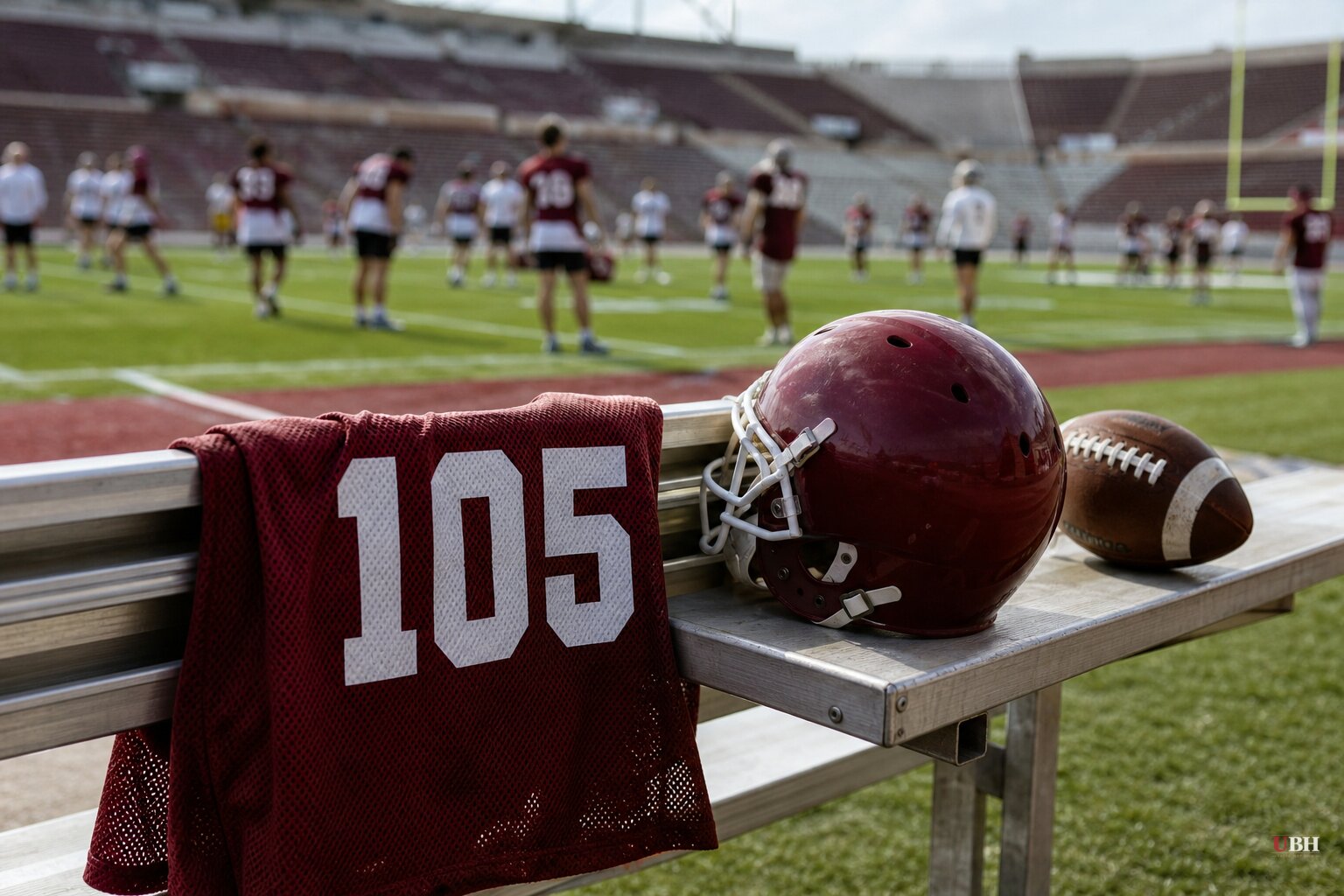
College football has always had a soft spot for the walk-on: the kid nobody recruited who shows up anyway and earns a scholarship through sweat instead of a signature on national signing day. That path is getting narrower.
The $2.8 billion House settlement, which reshaped college athletics finances and imposed a 105-player roster cap on Bowl Subdivision programs, is squeezing walk-on spots off rosters nationwide, according to the Associated Press. Walk-on numbers are in decline because Bowl Subdivision schools are reaching or getting closer to that 105-man limit.
Carson Kolb is proof the old model still occasionally works. He walked on at Oregon State in 2024 with no scholarship offer out of high school, made himself into a special-teams contributor over two seasons, then entered the transfer portal in January and walked on again at Oklahoma State. He impressed the new coaching staff enough that Oklahoma State put him on scholarship in June. He is in line to be the starting tight end when the Cowboys open the season at Tulsa. "I achieved the dream," he said, "and now I've got some further goals."
Iowa State running back Aiden Flora followed a similar arc. He grinded as a walk-on for two years, developed into one of the Big 12's top punt returners last season, and earned a scholarship in January. He'll start at running back against Southeast Missouri State on Saturday, which wouldn't happen if not for former coach Matt Campbell giving the kid from tiny Adel, Iowa, a chance.
Both stories are genuine wins for the players. Neither story is the norm anymore, and the coaches closest to the roster math say that's the point of concern.
Why the numbers are shrinking
Iowa State carries one of the larger rosters in the FBS at 126 players. But 21 of those players don't count against the 105 cap because they're grandfathered in as designated student-athletes completing eligibility under the House settlement's transition rules. All, if not most, of that group of 21 overlaps with the Cyclones' 35 total walk-ons, meaning the exemption, not new open roster spots, is what's keeping many of them on the team.
That's a temporary cushion, not a permanent fix. Once those grandfathered players age out, schools will be making roster decisions strictly against the hard 105 number, and walk-on slots are typically the first ones sacrificed.
First-year Iowa State coach Jimmy Rogers has personal history with this. He was set to walk on at Arizona State in 2005 before South Dakota State offered him a scholarship instead. He said he rues the day players in need of development won't be given opportunities. "There used to be more time where a player chose your school and was going to be a non-scholarship player," Rogers said, "and it was his job to earn his keep and you were able to keep him in that spot and build over the years with that player. Now because of the cutthroat nature of college football and roster limit of 105, that's going to be harder and harder in the future."
What's replacing the old deal
Walk-ons haven't vanished, but the incentive structure around them has changed. Some Power Four programs are keeping a handful of walk-on spots open and sweetening them with revenue-sharing payments, as Oklahoma State did with Kolb. That money typically covers rent, groceries or a portion of tuition.
Others get so-called Alston money instead, a tax-free stipend worth $5,980 per year for qualified educational expenses. It's real money, but it's not a scholarship, and it doesn't guarantee a roster spot the following season.
The fair question critics raise
Kolb said he understands the need for roster limits because the costs of maintaining super-sized rosters after the House settlement aren't sustainable. But he also knows players like himself probably won't be given a chance to get a foot in the door of college football going forward. "That's an unfortunate thing," he said. "I think the walk-on is a beautiful part of this game. I think it's a part of this game that should stay."
Walk-on programs at schools like Nebraska date back to the 1960s and became the stuff of legend. Walk-ons probably won't be wiped out altogether, but whether that pipeline survives at scale, or shrinks down to a handful of exceptional cases like Kolb and Flora, is an open question.
Some austere programs at the bottom of the FBS and in lower divisions won't be able to give even a partial scholarship to every player, meaning the squeeze on walk-ons will likely hit budget-constrained programs hardest.
Flora, for his part, hopes the tradition endures. "Whether they continue to do walk-ons, I really hope they do," he said. "Just being a walk-on myself, it's an opportunity for kids who may not have the (recruiting) stars or whatever."
Sources used for this briefing
5 links from 5 independent newsrooms (syndicated copies of the same report count once)
These are the sources it draws on, linked so you can verify.


