
Unbiased headlines. Facts, not spin.
Unbiased Headlines is an independently owned news organization. We bring you the facts, not opinions, written fresh from 110+ named sources. Sources linked so you can verify it yourself.
 sports
Notable (5/10)
sports
Notable (5/10)
College Athletes Have Always Gotten Paid. NIL Just Made It Legal and Bigger
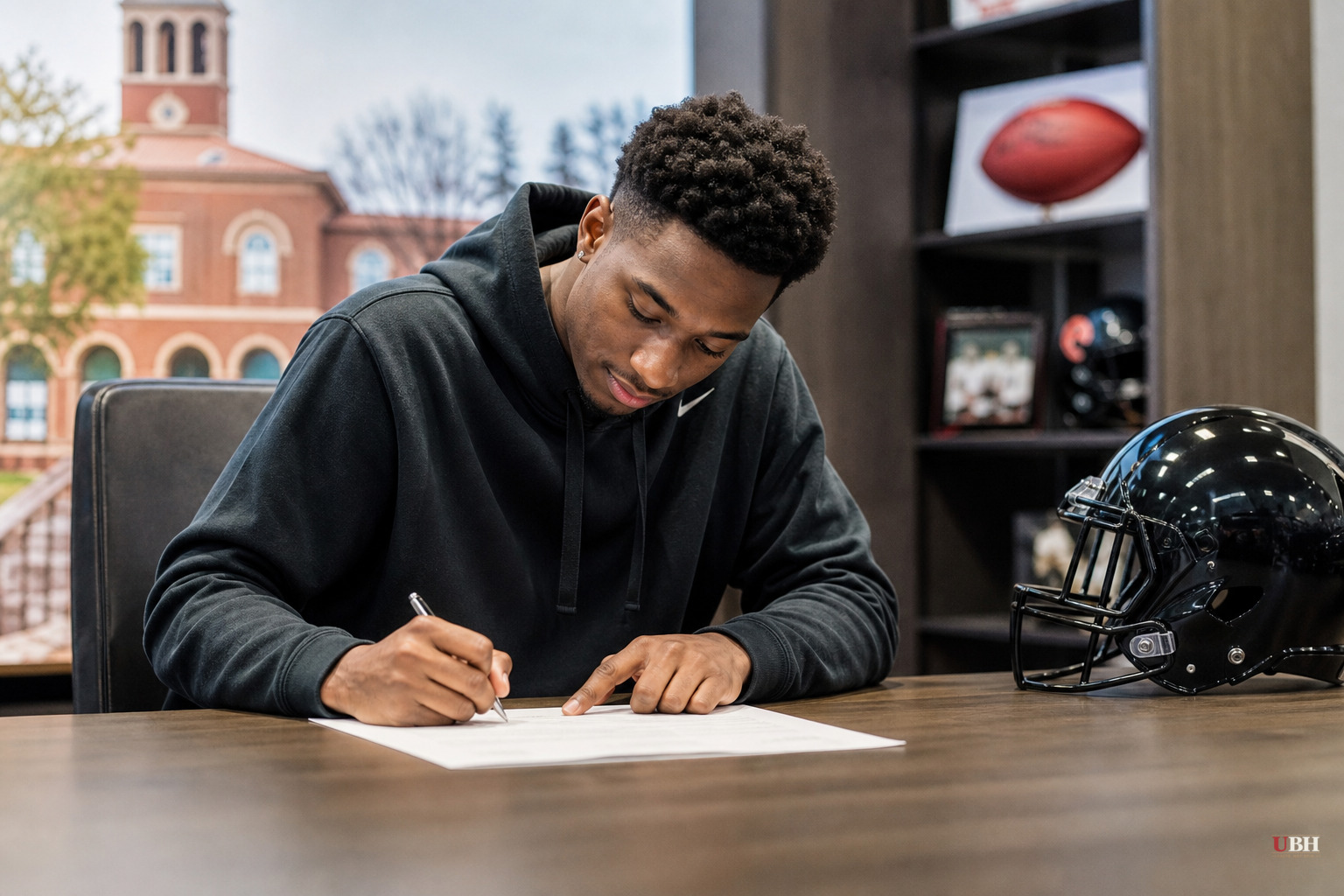
College sports have never actually been amateur. They've just changed how they lie about it.
The NCAA was founded in 1906 after President Teddy Roosevelt pushed for reform to stop the sometimes-fatal violence in college football and set eligibility rules, according to reporting carried by the Star and Newsday. Almost immediately, schools started paying athletes anyway. Cash, train tickets, free tuition, room and board. Enforcement was practically nonexistent.
By 1948, the NCAA had seen enough and rolled out something called the Sanity Code, an attempt to rein in a recruiting arms race of under-the-table inducements. It didn't work. The NCAA initially opposed athletic scholarships outright, arguing they violated the whole idea of amateurism. Then in 1956 the organization reversed course and standardized scholarships, which was supposed to replace the cash payments. It didn't. The money under the table never stopped, according to the Star's reporting.
The lawsuits that broke the model
The turning point came in 2014, when former UCLA basketball star Ed O'Bannon won a class-action lawsuit over the NCAA using his likeness in a video game without paying him. That case cracked the dam. It led to athletes getting cost-of-living stipends on top of scholarships and set the legal precedent that eventually forced the NCAA's hand entirely.
Eleven years after O'Bannon's win, the House settlement, stemming from a separate lawsuit, cleared the way for schools to directly share athletic revenue with players. This season that cap sits at up to $21.3 million per school, according to the Star and Newsday. The same settlement legitimized third-party name, image and likeness deals, which let schools blow past that cap entirely. Some football rosters now carry payrolls north of $50 million once NIL money is added in.
Fifty million dollars for a college football roster. Compare that to your average state university athletic budget from a decade ago and it's a different sport entirely.
Who's actually cashing in
A Fortune analysis by a sport management professor who has studied NIL since it started in 2021 makes clear that only a small slice of athletes are getting rich. Most players see modest bumps, some get nothing.
Early NIL deals were things like Jackson State defensive end Antwan Owens signing with 3 Kings Grooming, or Auburn quarterback Bo Nix's deal with Milo's sweet tea, according to Fortune. Social-media-famous athletes like the Cavinder twins landed bigger endorsements with Boost Mobile and Six Star Pro Nutrition. But those are outliers. Nonprofit "NIL collectives," usually funded by boosters and alumni, sprang up to run what amounts to an unregulated pay-for-play system, Fortune reported.
A strong argument against all this comes from President Trump, who has said current NIL policy "could cause serious damage to college athletics" and has issued two executive orders in his second term aimed at reining it in, according to Fortune. The concern is straightforward: if boosters can funnel unlimited money through collectives with zero transparency, you've built a bidding war with no rules, no cap, and no accountability for where the money actually comes from. A hard salary cap, not a patchwork of NIL collectives, is the more defensible fix.
What's actually being proposed
A bill currently awaiting a Senate vote would try to codify much of the House settlement into federal law, according to the Star and Newsday. The centerpiece: nearly doubling the per-school salary cap to about $49 million, with the idea being that if schools can pay players that much directly and legally, third-party NIL collectives become less necessary and easier to regulate.
If that bill stalls, the SEC and Big Ten, the two conferences with the most money and leverage, could try to build their own framework to hold the current system together, according to the Star's reporting. Both outlets flag the same risk if that happens: Olympic sports and women's programs, which are largely funded off the backs of football and basketball revenue, could get squeezed out entirely.
None of the source reporting names a scheduled Senate vote date. That's the open question hanging over all of this: whether Congress moves before the SEC and Big Ten just build their own rulebook and leave everyone else, including Olympic sports funding, to figure out the fallout.
Sources used for this briefing
6 links from 6 independent newsrooms (syndicated copies of the same report count once)
These are the sources it draws on, linked so you can verify.


