
Unbiased headlines. Facts, not spin.
Every story is an unbiased news briefing written from 110+ sources across the spectrum — sources linked so you can verify it yourself.
 tech
Major Story (8/10)
July 19, 2026 at 12:53 PM
tech
Major Story (8/10)
July 19, 2026 at 12:53 PM
CIA Sent an Officer to Vet a UAE AI Firm's China Ties. It Ended With G42 Winning US Chip Access
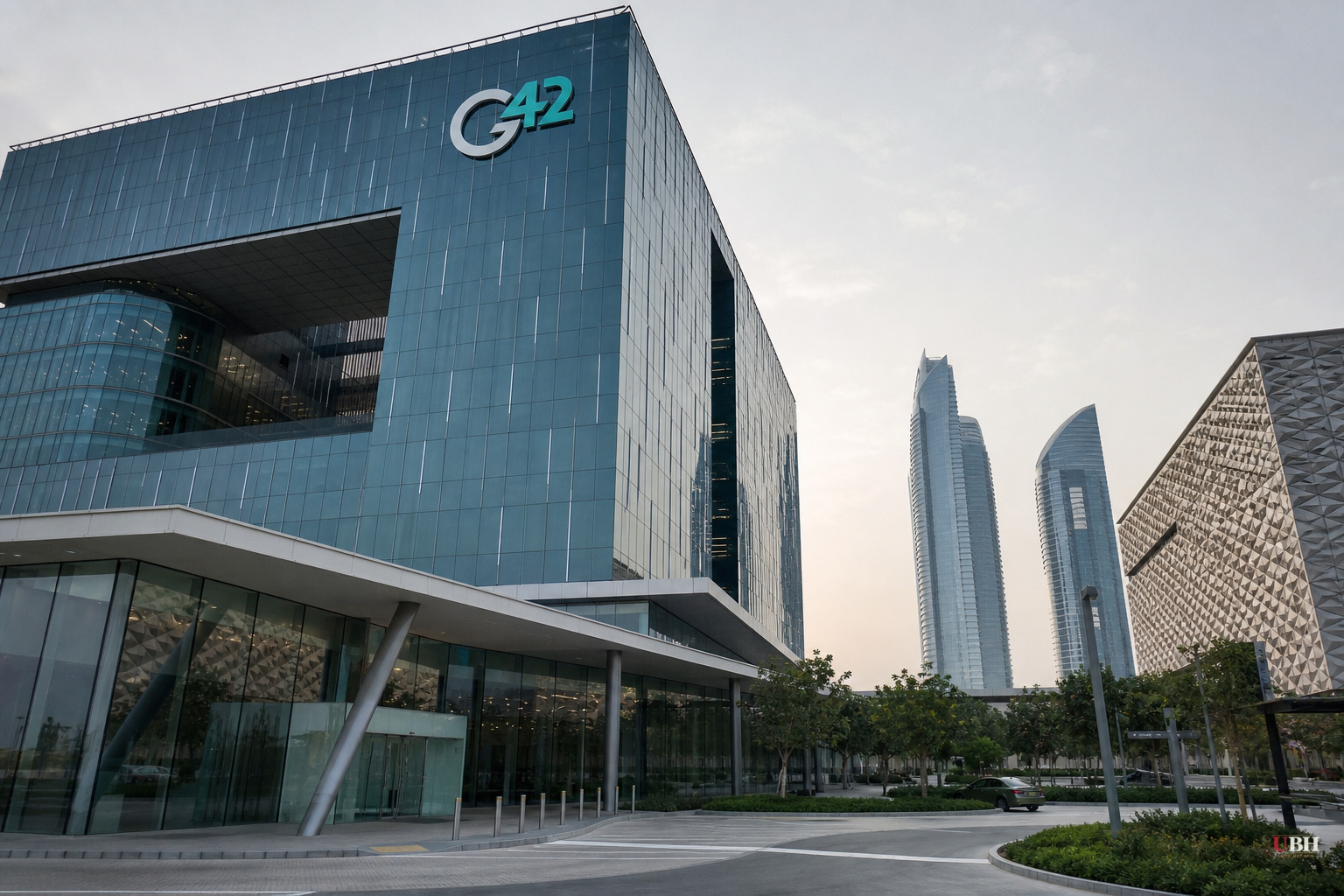
A Spy, Not Just a Diplomat, Vetted G42
Jonny Gannon spent more than two decades at the CIA before Washington sent him to Abu Dhabi in 2023, according to reporting from The Wall Street Journal. His assignment was to figure out whether G42, the UAE's flagship AI and cloud computing company, could be trusted with advanced American technology.
Gannon operated under diplomatic cover out of the US Embassy, the Journal reported. He examined G42's leadership, its technology partnerships, and its security practices, with particular scrutiny on CEO Peng Xiao and the company's past business ties to Chinese firms, including US-sanctioned Huawei.
The mission also touched Sheikh Tahnoon bin Zayed Al Nahyan, the UAE's national security adviser and brother of President Sheikh Mohamed bin Zayed Al Nahyan. Tahnoon has driven Abu Dhabi's AI ambitions and controls a sprawling network of investment and technology holdings, including G42.
From Spying to Shaping Policy
According to the Journal's account, Gannon's job evolved. He reportedly became a working channel through which Emirati officials learned exactly what Washington needed to see before it would allow G42 access to sensitive US technology.
G42 responded by unwinding parts of its China relationship, replacing Chinese-made equipment, and accepting new compliance and security requirements. That groundwork helped set up Microsoft's $1.5 billion investment in G42 in April 2024, which came with a binding security framework negotiated with both governments and put Microsoft president Brad Smith on G42's board.
The Bigger Prize: Chip Access
The story didn't stop with Microsoft. AI Weekly, citing the same Journal reporting, says G42 now plans to reincorporate as a US company primarily owned by US investors. That restructuring, paired with a Commerce Department decision this month, opens license-free access for the UAE to Nvidia Blackwell processors, AMD Instinct chips, high-performance AI servers, and other dual-use technology.
G42, its data center arm Core42, and approved US hyperscalers are the direct beneficiaries, and the window runs for at least nine months. Experts cited in that reporting say the reincorporation alone could be worth billions of dollars to G42.
AI Weekly frames the timing as tied to the UAE's role during the recent Iran conflict, reporting that Tahnoon personally lobbied the White House once the war broke out. If accurate, that would make the chip access package look less like a pure technology decision and more like a strategic reward for wartime cooperation. This is the outlet's own characterization rather than an official US government statement.
The Concern That Hasn't Gone Away
Senate Democrats alleged in June that intelligence officials found evidence of G42 routing US chip technology toward programs that strengthen China's missile systems, despite the company's earlier pledge to cut those ties. That's an allegation, not a proven finding, and no public indictment or enforcement action has followed it as of this writing.
If a company with a documented history of Chinese technology partnerships now gets a nine-month license-free lane to Nvidia's most advanced chips, critics argue whether reincorporating in Delaware or Nevada actually changes who controls the technology, or just changes the paperwork. Lawmakers and national security officials have warned for years that advanced semiconductors and AI systems carry military and intelligence applications, and that any pathway to China, even an indirect one through a third country, is a real risk.
The counterargument, made by supporters of the deal, is also real. Cutting the UAE off from American chips entirely would likely push Abu Dhabi to build its AI infrastructure with Chinese hardware instead. From that view, controlled access with US oversight, board seats, and security agreements is the better of two imperfect options. Whether it's the correct one is a judgment call, not a settled fact.
What's Still Unanswered
Peng Xiao, who was educated in the US and renounced his American citizenship for a UAE one according to the reporting, has not been confirmed to be stepping down as CEO. It's unclear whether he remains in that role.
It's also unclear which US agency will monitor for diversion once shipments start arriving at the planned Stargate data center cluster in Abu Dhabi. No public enforcement mechanism has been detailed in the available reporting.
The nine-month license-free window is not indefinite. What happens when it expires, and whether it gets renewed, extended, or tightened based on how G42's US reincorporation actually plays out, is the next thing to watch.
Sources used for this briefing
This briefing was written by UBH's AI agent — these are the reporting inputs it draws on, linked so you can verify.


