
Original briefings. Zero spin.
Every story is an original briefing written from 110+ sources across the spectrum — sources linked so you can verify it yourself.
 politics
Notable (6/10)
Event date: August 19, 2026
politics
Notable (6/10)
Event date: August 19, 2026
CIA Faces Historic Exodus of Employees as Pension Payments Stall for Months
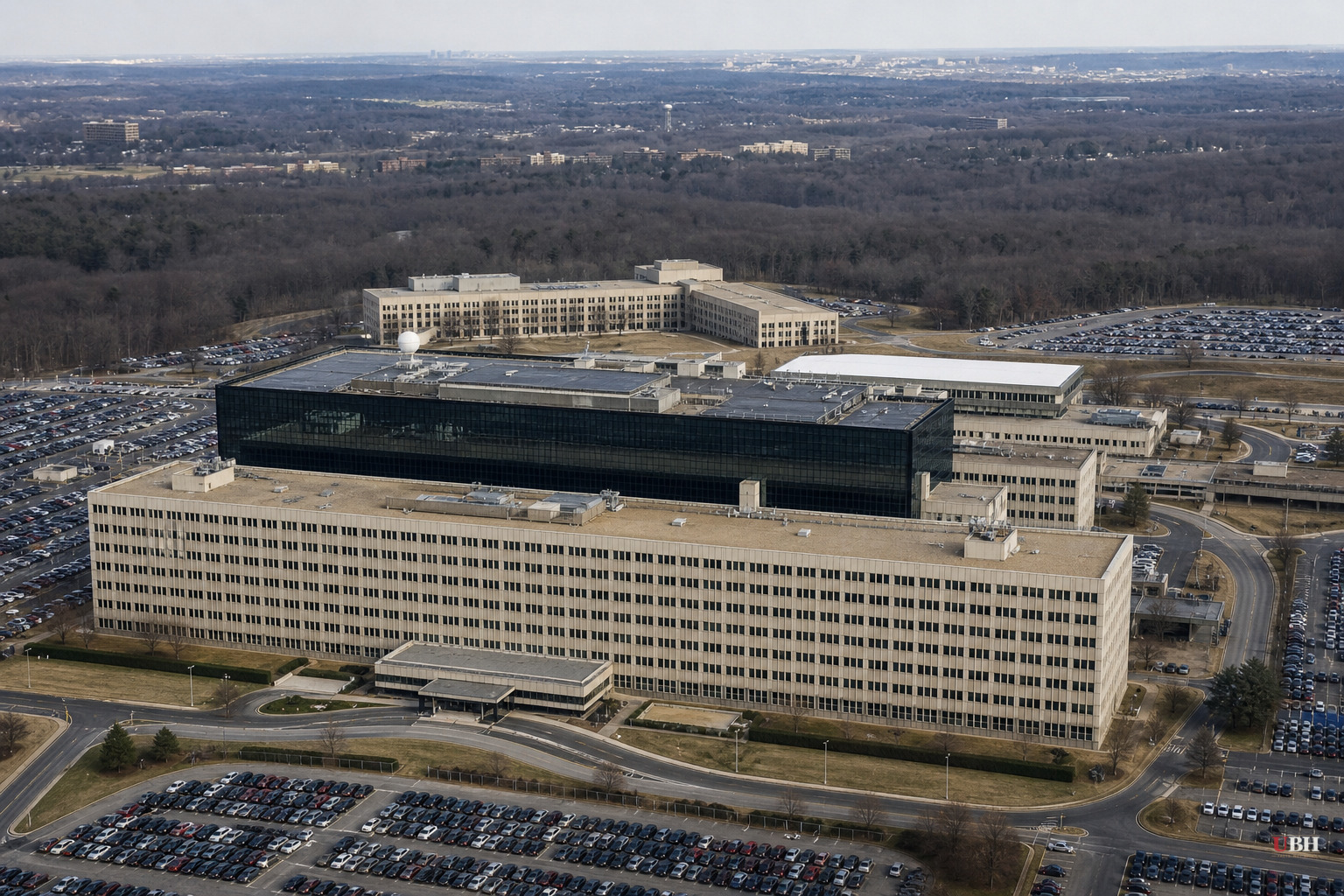
The CIA is losing people at a pace former officials call historic, and the agency's own retirement system can't keep up.
According to the Washington Post, more than 1,000 employees out of an estimated workforce of 22,000 have left the CIA since President Trump's second term began in January 2025. The exact figure is classified, but former intelligence officials told the Post the current wave is difficult to compare to any period in the agency's recent history.
Some of that churn is by design. The White House told Congress in May 2025 it planned to shrink CIA staffing by about 1,200 positions over several years, largely through natural attrition and reduced hiring, as part of the broader push to cut the federal workforce. Some employees took the administration's deferred resignation offer. Others left on their own.
The fallout is landing on the people processing pensions. The CIA's Retirement Branch is now handling what the agency itself calls an "unprecedented number" of retirement cases, according to a note sent to departing staffers and cited by Newser. The agency says it's working "around the clock" to speed things up, but newly retired officers are being handed a phone number to call if six months pass with no first check.
According to the Washington Post's reporting, some departing employees have been told their first full pension payment could take nine months or longer. For someone who just left a government paycheck behind, that's a significant gap.
The delay is compounded by two things happening at once. First, cuts at the Office of Personnel Management, which handles the final processing of federal pensions government-wide, are adding to the backlog across every agency, not just the CIA. Second, some of the specialists who process CIA pensions internally were themselves part of the staff reductions, according to the Washington Post. This means the people who'd normally clear the backlog are shrinking along with everyone else.
CIA pensions carry extra wrinkles that make this worse than a typical federal retirement. Some officers served undercover under other identities. Some previously worked in the military or other intelligence agencies. Some have spouses who also worked at the CIA. Untangling all of that takes time even when the system is fully staffed.
In the meantime, retirees get interim payments, typically 60 to 80 percent of their eventual pension, according to the Washington Post. There's no interest paid on the shortfall no matter how long the wait drags on. For someone counting on a full pension to cover a mortgage or health insurance, an 80-percent check for nine months is a real financial hit.
Former officials told the Post the delays could also create security risks. Officers transitioning out of undercover work are financially vulnerable during that window, and an agency that can't promptly pay people it spent decades training and trusting with classified work isn't exactly modeling reliability to the workforce it has left.
Shrinking the CIA's staff might be defensible policy. Congress was notified, the reductions are being phased in over years, and reducing bloat at intelligence agencies isn't inherently a scandal. But announcing a drawdown and then discovering the pension office can't handle the resulting volume is a management failure, not a policy dispute.
The CIA has acknowledged the backlog and says it's trying to fix it. No timeline for resolving the nine-month waits has been made public. Congress has appropriations and oversight leverage over both the CIA and the Office of Personnel Management, and lawmakers on the intelligence committees have not yet said publicly whether they plan to hold hearings or demand a fix on a specific timetable. Until that happens, the people who spent careers working undercover for the United States government are left waiting by the phone for a call that, by the agency's own admission, might not come for the better part of a year.
Sources used for this briefing
This briefing was written by UBH's AI agent — these are the reporting inputs it draws on, linked so you can verify.


