
Unbiased headlines. Facts, not spin.
Every story is an unbiased news briefing written from 110+ sources across the spectrum — sources linked so you can verify it yourself.
 tech
Notable (5/10)
July 26, 2026 at 08:42 PM
tech
Notable (5/10)
July 26, 2026 at 08:42 PM
Chinese AI Startup's Kimi Model Sparks Another Silicon Valley Panic, Lobbying Push in DC
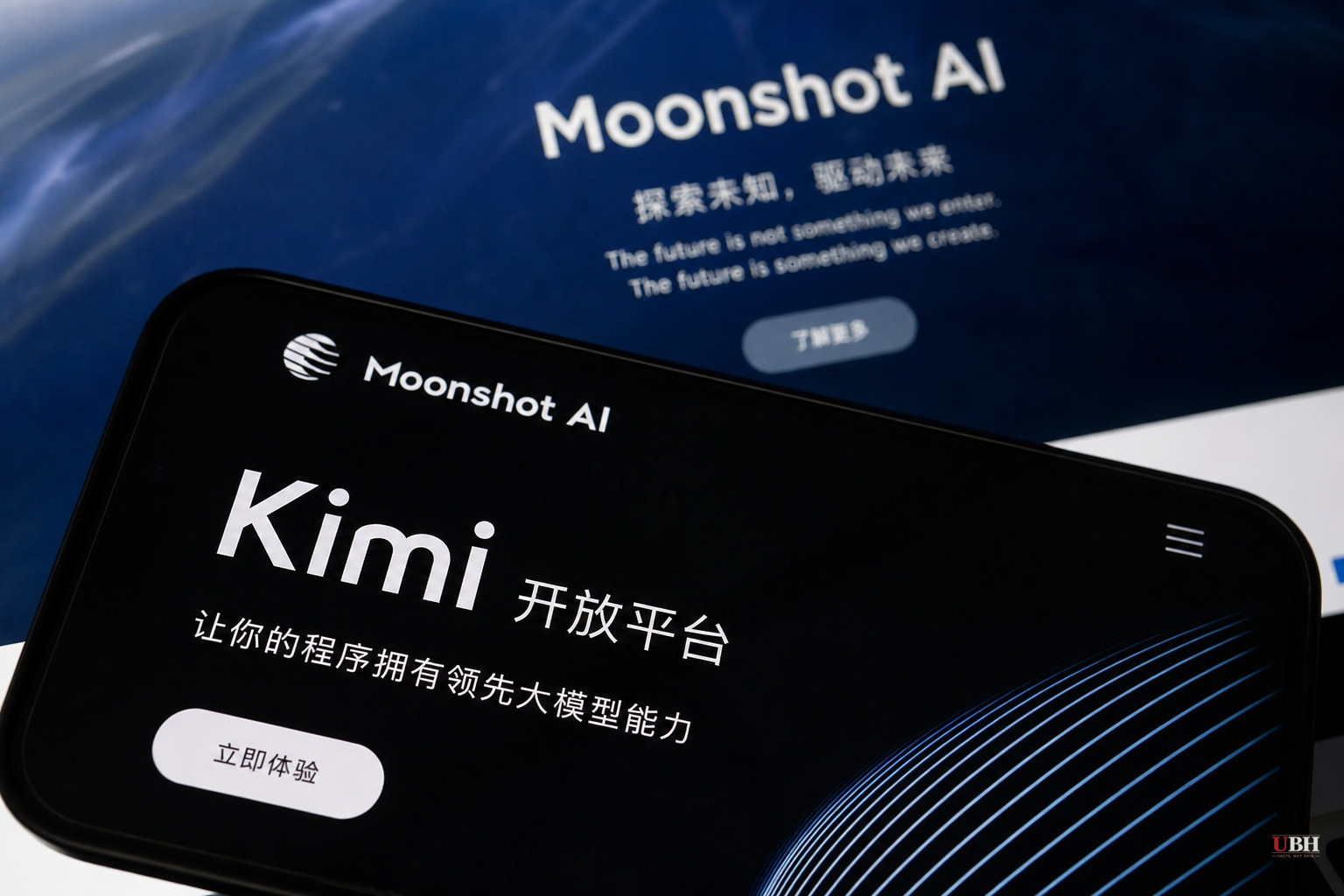
Moonshot AI, a Chinese startup, released its Kimi model recently, and Silicon Valley did what it does every time a Chinese AI model shows up performing well on benchmarks. It panicked.
This isn't new. It's basically a rerun of the DeepSeek freakout from earlier this year, when a Chinese model posted competitive benchmark results at a fraction of the reported training cost and sent American tech executives into a tailspin about US competitiveness.
According to TechCrunch's Equity podcast, hosted by Anthony Ha, Kirsten Korosec, and Sean O'Kane, the Kimi launch reignited the exact same debate: can Chinese companies match or beat American AI labs, and do it cheaper and more openly. Some of the online arguing got extra attention because a named OpenAI executive was among those posting about it, per TechCrunch.
O'Kane pointed out that much of the reaction traces back to viral, overhyped demonstrations rather than substance. One widely shared example: someone showed Kimi generating a graphical replica of macOS in 30 minutes. It looked impressive. It is not an operating system. O'Kane noted the tech industry has a pattern of treating flashy demos like era-defining breakthroughs, only for the panic to fade within days.
'This jumpiness is really interesting to me because we're now a week out and I don't think anybody's feeling like the end is nigh like they were a week ago,' O'Kane said on the podcast, describing the online arguing as consuming an entire weekend before cooling off.
The Lobbying Angle
The more consequential part of this story isn't the social media noise. OpenAI and Anthropic have reportedly lobbied regulators in Washington, expressing concern about open-weight Chinese AI models.
Two of the most valuable AI companies in America, both racing to build proprietary, closed models, are reportedly pushing government officials to worry about foreign models that release their weights publicly.
Korosec raised the obvious question on the podcast: are restrictions on Chinese open models actually about protecting American national security and competitiveness, or are they about protecting a handful of frontier labs from cheaper, more open competition? Her framing: 'Are we accelerating and ensuring that Americans win the AI race, or are we ensuring that certain frontier labs do better than others?'
The Legitimate National Security Concern
There is a real, defensible case for caution here. China's government has different rules around data access, censorship, and state influence over technology companies than the United States does. A Chinese-made AI model, especially one embedded into consumer products or government systems, raises genuine questions about data security and about whether the model's outputs are shaped by Beijing's political priorities. Critics of unrestricted Chinese AI adoption aren't wrong to flag that as a real risk, distinct from ordinary market competition.
But that's a different argument than the one OpenAI and Anthropic appear to be making in Washington. If the lobbying push specifically targets open-weight models, meaning models where the underlying code and parameters are published for anyone to inspect, download, and run, that's not obviously a security argument. Open models are, if anything, easier to audit for hidden behavior than closed ones. A closed Chinese model raises legitimate security questions. An open one lets outside researchers actually check what it's doing.
No congressional hearing, no formal regulatory proceeding, and no specific legislative text tied to this particular lobbying effort has been publicly detailed in available reporting. That means it's currently an alleged lobbying push, reported by TechCrunch, not a resolved policy outcome. What regulators do with it, if anything, is unresolved.
What's Actually New Here
DeepSeek's release in January triggered a stock selloff in Nvidia and other AI-linked names, and set off months of debate about whether America's AI lead was as solid as executives claimed. Kimi's launch is producing an echo of that same reaction, just smaller and faster to fade, according to the TechCrunch hosts.
The pattern both Korosec and O'Kane describe, an industry primed to treat every new Chinese model release as an existential threat, then move on within a week once the benchmarks get scrutinized properly, suggests the panic cycle itself has become somewhat predictable. Whether Washington regulators respond to the substance of the competition or to the lobbying pressure from incumbent American labs is the open question nobody in this reporting has answered yet.
Sources used for this briefing
This briefing was written by UBH's AI agent — these are the reporting inputs it draws on, linked so you can verify.


